
Flowers
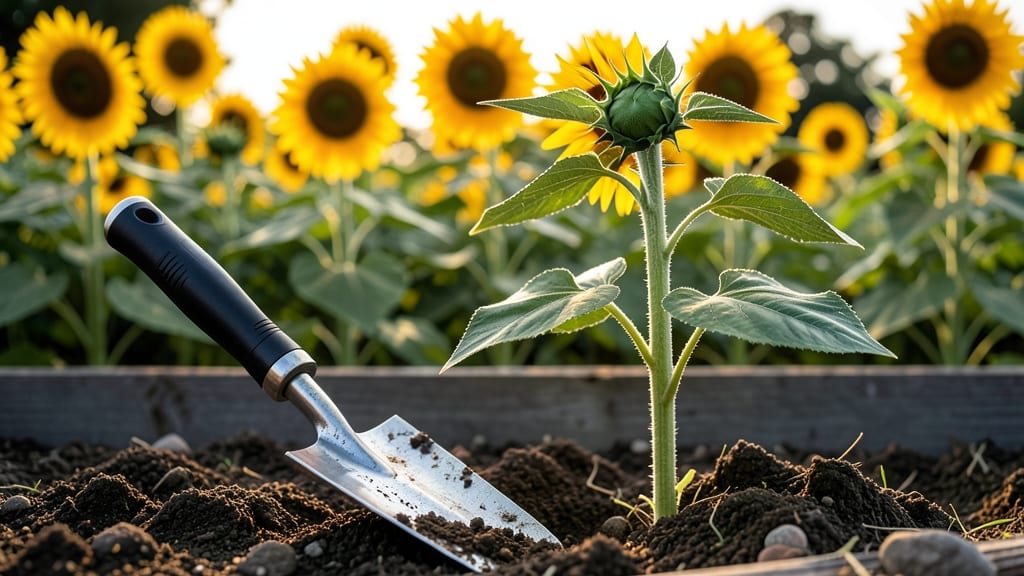
Planting sunflowers in Alabama at the wrong time can mean the difference between a stunning summer garden and wasted effort. With USDA zones 7a-8b offering two ideal planting windows—spring for summer blooms or late summer for fall—timing matters more than you might think.
The key is avoiding late frosts, which can still sneak in as late as mid-March in some areas. Whether you're in Birmingham, Mobile, or Huntsville, knowing your local frost dates helps you maximize growth before Alabama's intense summer heat sets in.
Sunflowers thrive when planted directly in the ground after the last frost, but with Alabama's unpredictable weather, adjustments are often needed. I'll walk you through the exact months to plant, plus tips for handling heatwaves and droughts to ensure your 🌻 sunflowers reach their full potential.
Ready to grow sunflowers that tower over your garden? Let’s dive into the best planting strategies tailored just for Alabama’s climate—so you can enjoy those cheerful blooms from late summer through fall.
Alabama planting zones & sunflower frost-free deadlines by month
Alabama’s USDA hardiness zones 7b–8b create a unique challenge for sunflower growers—late frosts in northern regions (like Huntsville) can delay planting until mid-April, while coastal areas (like Mobile) often see frost-free conditions by early March. Understanding these microclimates ensures your sunflowers thrive from seed to harvest.
For most of Alabama, the ideal planting window spans from mid-March to early July, with a secondary window in late July to early September for fall blooms. However, these dates shift based on elevation and proximity to water bodies.
For example, Birmingham’s average last frost date is around March 15, while Montgomery’s is closer to March 1.
Use this summary table to pinpoint your planting deadline by region and adjust for unpredictable weather. Remember: sunflowers are cold-tolerant seedlings but heat-loving mature plants, so timing matters.
| Region | USDA Zone | Last Frost Date | Ideal Planting Window | Fall Planting Window |
|---|---|---|---|---|
| North Alabama (Huntsville, Decatur) | 7b | March 20–April 5 | April 15–June 15 | August 1–September 10 |
| Central Alabama (Birmingham, Montgomery) | 8a | March 1–March 15 | March 15–July 1 | July 15–August 31 |
| South Alabama (Mobile, Dothan) | 8b | February 28–March 10 | March 1–June 30 | July 1–September 15 |
| 🌱 Pro Tip: Test soil temperature—sunflowers need 50°F+ for germination. | ||||
If you’re in a transition zone (like Cullman or Auburn), err on the side of caution. Plant test rows in early April and cover seedlings with frost cloth if nighttime temperatures dip below 32°F.
Urban areas like Birmingham may experience heat islands, allowing earlier planting, while rural valleys can stay cooler longer.
For summer blooms, aim to plant by June 1 in most zones to ensure flowers mature before first frost in November. If you miss this window, fall-planted sunflowers (July–September) will bloom in late fall, providing winter interest and birdseed for wildlife.
Alabama’s long growing season (210–240 frost-free days) lets you experiment with succession planting. Sow seeds every 2–3 weeks from April to July for a continuous display of golden blooms all season long.
Direct-sow sunflower seeds 1 inch deep and 6 inches apart—they hate transplanting. Use a soil thermometer to confirm warmth (60°F+) before planting. In cooler zones, black plastic mulch can warm soil by 5–10°F, accelerating germination.
Monitor local Alabama Agricultural Extension updates for late frost warnings, especially in Zone 7b. A single 28°F night can stunt young seedlings, so have row covers ready. In contrast, Zone 8b gardeners can push planting into early July for fall blooms.
Protect your investment by choosing fast-maturing varieties (like 'Moulin Rouge') if planting near the last deadline. These 60-day varieties ensure blooms before first frost, even in northern Alabama.
🌻
How to adjust sunflower planting for Alabama’s unpredictable weather patterns
Alabama’s weather can be as unpredictable as a summer storm—one day scorching hot, the next with a surprise frost. Sunflowers, while hardy, need consistent warmth to thrive, so flexibility is key.
I’ve learned to prepare for late frosts in March or early heatwaves in April by using a mix of soil warming, shade protection, and strategic planting adjustments. These tweaks can save your seedlings from shock and ensure those iconic blooms appear right on schedule.
First, check your local microclimate. Urban areas like Birmingham often warm up faster than rural spots, while high-altitude zones (e.g., Huntsville) may linger in cooler temps longer. If you’re in a coastal region like Mobile, humidity and heat arrive earlier—plant 2–3 weeks earlier than inland areas.
Use the Alabama A&M Extension’s frost maps as your guide, but always have a backup plan.
🌱 For areas prone to late frosts, use black plastic mulch or row covers to warm the soil. Lay them down 2–3 weeks before planting to raise soil temps by 5–10°F. This trick works wonders for early March plantings in USDA Zone 7b areas.
Pair it with hardening off seedlings if you’re starting them indoors—gradually expose them to outdoor conditions over 7–10 days to toughen them up.
✅ Proactive Strategies for Alabama’s Weather
- 1. Soil Warming: Use black plastic mulch or straw bales to raise soil temps by 5–10°F in March plantings.
- 2. Shade Cloth: Deploy 30% shade cloth for seedlings in May to prevent heat stress during 100°F+ days.
- 3. Succession Planting: Sow new batches every 2 weeks from April to July for continuous blooms.
- 4. Drought Prep: Water deeply 2x/week in summer and mulch with straw to retain moisture.
- 5. Frost Watch: Keep row covers handy for unexpected March frosts in Zone 7b.
If you’re planting in June or July for fall blooms, watch for drought conditions. Sunflowers are drought-tolerant once established, but seedlings need consistent moisture. I’ve had success using drip irrigation or soaker hoses to deliver 1–2 gallons per plant weekly.
Pair this with 3 inches of mulch to lock in moisture and keep roots cool. For coastal areas, also monitor for humidity-related fungal risks—space plants 18+ inches apart for airflow.
Don’t overlook wind protection, especially for tall varieties (10+ ft). A temporary trellis or stakes can prevent stem breakage during summer storms. In high-wind zones, plant sunflowers near fences or shrubs as natural windbreaks.
This is a game-changer for late-summer plantings that might face hurricane-season gusts.
For high-altitude gardens (e.g., Huntsville), extend your season by choosing fast-maturing varieties (60–70 days) like ‘Moulin Rouge’ or ‘Teddy Bear’. These bloom quickly and tolerate cooler soils.
If you’re in Zone 8b (e.g., Mobile), you can even plant a second crop in late July for fall harvests. Just be ready to harvest seeds before first frost (usually mid-November).
Finally, keep a planting journal to track what works in your yard. Note soil temps, rainfall patterns, and bloom times—this helps you fine-tune your approach each year. With these adjustments, you’ll beat Alabama’s weather and enjoy sunflowers that thrive year after year. 🌻