
Plants
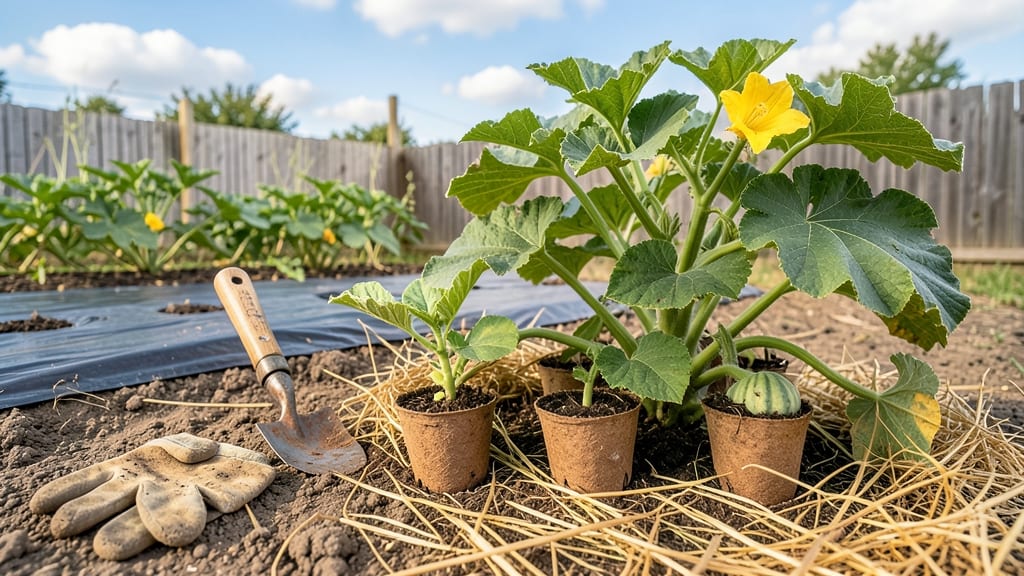
Planting pumpkins in Utah isn't just about grabbing seeds and sticking them in the ground—it's about timing them perfectly to beat frost and high desert challenges. The right window between mid-April and early June can mean the difference between a bountiful harvest and withered vines.
With Utah's USDA Zones 5-8 and dramatic elevation shifts, your neighbors' planting schedule might not work for you. Northern Utah's cooler climate demands earlier starts, while Southern Utah's warmer zones allow for later planting—sometimes even into June. I'll break down exactly when to plant based on your microclimate.
You'll discover how to prepare your soil, choose the fastest-maturing varieties for Utah's short season, and extend your growing window with smart techniques. Whether you're in Salt Lake City or St. George, these zone-specific deadlines will help you avoid frost risk and maximize your 🎃 harvest.
Let's dive into the science behind Utah's frost patterns and how to use them to your advantage. By the end, you'll know exactly when to plant for zero frost risk in your specific corner of the state—and which varieties will give you the best chance of success.
Utah’s pumpkin planting deadlines by USDA Zone (with frost risk maps)
Utah’s diverse elevation zones and microclimates create dramatic differences in last-frost dates.
In Zone 5 (Northern Utah), like Logan or Cache Valley, you’ll need to wait until mid-May for safe planting, while Zone 8 (Southern Utah), such as St. George, can start as early as late March.
These variations mean your pumpkin planting window could shift by 6 weeks depending on location.
Pumpkins thrive when soil temperatures hit 70°F (21°C), which typically occurs 2-4 weeks after last frost. In Utah’s high-desert regions, soil warms faster than in valleys, so don’t rely on calendar dates alone—test soil temperature with a thermometer before planting.
This small step prevents seed rot and ensures strong germination.
Here’s how Utah’s three key regions compare for pumpkin planting:
| Region | USDA Zone | Avg. Last Frost | Ideal Planting Window | Soil Temp. Goal |
|---|---|---|---|---|
| Northern Utah (Logan, Ogden) | 5-6 | Mid-May | Late May to early June | 70°F+ (21°C+) |
| Salt Lake Valley (Provo, SLC) | 6-7 | Early May | Mid-May to late May | 70°F+ (21°C+) |
| Southern Utah (St. George, Cedar City) | 7-8 | Late March to early April | Late March to mid-April | 65°F+ (18°C+) |
For high-altitude gardens (above 7,000 ft), like those in Park City or Heber Valley, push planting to early June to avoid late-spring frosts. These areas often experience unpredictable temperature swings, so use row covers for the first 2 weeks after germination to protect young seedlings.
Utah’s Wasatch Front presents unique challenges due to urban heat islands. Gardens in Salt Lake City may see earlier soil warming than rural areas just 20 miles away.
To account for this, monitor local weather stations like those from the National Weather Service or Utah Climate Center for real-time frost alerts.
If you’re in Zone 7 or 8 (Southern Utah), you can experiment with early March plantings using black plastic mulch to accelerate soil warming. This technique adds 5-7°F extra heat to the soil, helping pumpkins germinate faster in cooler desert mornings.
Remember: Pumpkins need 100-120 frost-free days to mature. Planting too late in Zone 5 risks immature harvests before Utah’s first frost in mid-October. Use this rule of thumb: Count backward from your first frost date to determine your final planting deadline.
For container gardening in Utah’s urban areas, start seeds indoors 3-4 weeks before your region’s last frost. Transplant seedlings to 5-gallon pots once soil warms, placing them in full-sun spots with drip irrigation to maintain consistent moisture.
Pro tip: Mark your calendar for June 15th as Utah’s absolute last call for pumpkin planting in most regions. After this date, even fast varieties like ‘Jack Be Little’ won’t have enough time to reach maturity before frost.
How to extend Utah’s pumpkin growing season (for early or late planting)
Utah’s short growing season and unpredictable frost dates can make pumpkin planting feel like a race against time. But with the right strategies, you can safely plant 2-4 weeks earlier or delay harvest by 30 days without frost damage.
The key lies in microclimate adjustments and protective techniques tailored to Utah’s high-desert conditions.
For early planting, focus on soil warming and frost protection. In Utah’s Zone 5-6 areas (like Cache Valley or Logan), cold frames or black plastic mulch can raise soil temps by 10-15°F, letting you plant as early as mid-March if nights stay above 40°F.
In Southern Utah (Zones 7-8), you might even squeeze in a late summer planting for a Halloween harvest.
🌱
- Cold Frames: Use them to plant 3-4 weeks early in Zone 5-6. Clear plastic traps heat, raising soil temps to 70°F+ by late March.
- Row Covers: Lightweight fabric (like Reemay) adds 5-10°F protection and can delay frost until early October in most Utah zones.
- Black Plastic Mulch: Warms soil 10-15°F faster than bare ground, letting seeds germinate 7-10 days earlier in spring.
- Succession Planting: Sow new seeds every 2 weeks from May to June for staggered harvests. Works best with fast varieties (80-90 days).
- Heat-Tolerant Varieties: Choose ‘Early Golden’ or ‘Jack Be Little’—they mature in 75-85 days and handle Utah’s 90°F+ summers better than heirlooms.
If you’re planting late in Utah, prioritize fast-maturing varieties and shade protection. In Zone 5-6, aim for late May plantings with varieties that reach maturity by mid-September. Use shade cloth (30-50%) during Utah’s intense July sun to prevent blossom drop and fruit scarring.
For urban gardeners in Salt Lake City or Provo, container growing with 5-gallon pots lets you move pumpkins to garages or patios at night if frost threatens. Just ensure pots have drainage holes and use lightweight potting mix to prevent root stress.
Remember: Utah’s high desert climate means soil dries out fast—even with extended seasons. Mulch heavily with straw to retain moisture, and water deeply at dawn to avoid fungal issues. With these tweaks, you can turn Utah’s challenging climate into a pumpkin-growing advantage! 🎃