
Plants
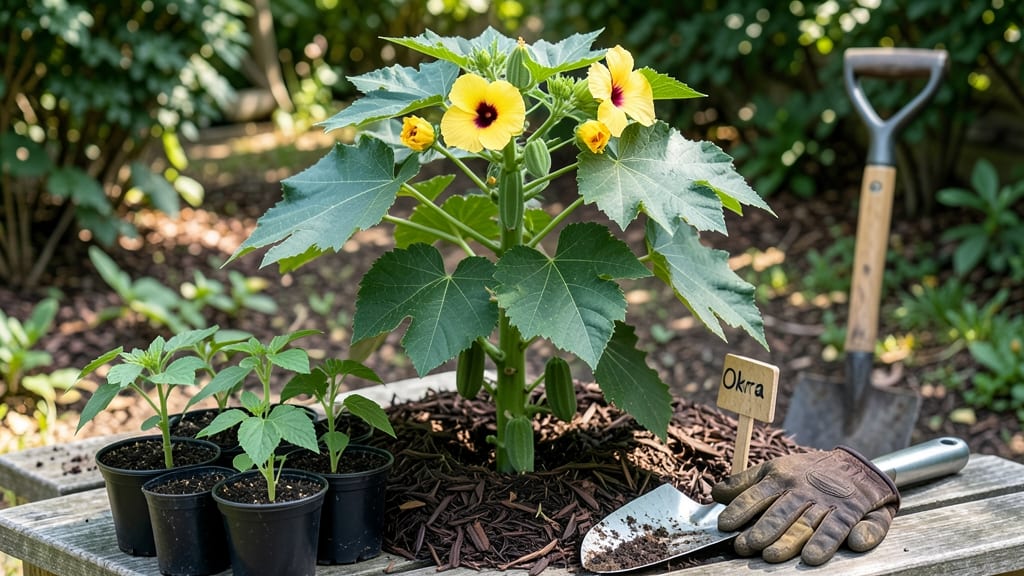
Planting okra in Oklahoma isn’t just about waiting for spring—it’s about timing it perfectly to beat the heat and frost. With USDA zones 6b-7a and unpredictable weather, getting your okra 🌱 in the ground too early or too late can mean the difference between a thriving garden and wasted effort.
Most gardeners in Oklahoma wait until late April to early June to plant okra, but why? The key is avoiding frost while ensuring soil temperatures hit at least 60°F—any cooler, and your seeds won’t germinate.
This heat-loving plant needs warmth to grow strong, and rushing it can leave your crop stunted or vulnerable to disease.
In this guide, I’ll break down the best planting windows for your region, whether you’re in the Panhandle or eastern Oklahoma, and share pro tips to extend your harvest. You’ll learn how to time it right for maximum yield and avoid common mistakes that sabotage even the most eager gardeners.
Ready to grow okra that’s crisp, tender, and ready to harvest from July to October? Let’s get started with the exact schedule that works for Oklahoma’s climate.
Best planting windows for okra in Oklahoma’s heat zones
Oklahoma’s diverse climate—from the hot, dry Panhandle to the humid southeastern regions—means okra planting times vary by USDA zone. Okra thrives in heat, but frost sensitivity and soil temperature are critical.
In Zone 7a (most of Oklahoma), aim for late April to early June, while Zone 8a (southern OK) can start as early as mid-March. The key is waiting until soil temperatures hit at least 60°F—cold soil stunts germination.
Missouri’s last frost typically arrives by March 15, but Panhandle regions (Zone 7b/8a) can plant 2-3 weeks earlier than eastern Oklahoma. Use a soil thermometer to confirm readiness—okra seeds won’t sprout below 60°F.
Pro tip: Black plastic mulch can warm soil by 5-10°F, extending your planting window in cooler areas.
⚠️ WARNING: Planting too early risks frost damage or bolting (premature flowering). Late plantings (after June 15) may still yield pods but with reduced quality. Balance heat tolerance with your frost-free season—Oklahoma’s averages 180-210 days, but microclimates matter.
Okra Planting Windows by Oklahoma Region
| Region/Zone | Last Frost Date | Ideal Planting Window | Soil Temp Requirement | Notes |
|---|---|---|---|---|
| Panhandle (Zone 7b-8a) | March 1-15 | Mid-March to early May | ≥60°F | Driest area; mulch to retain moisture |
| Central OK (Zone 7a) | March 15-30 | Late April to early June | ≥60°F | Moderate humidity; watch for fungal diseases |
| Southeast OK (Zone 7a-8a) | March 1-15 | Late March to mid-May | ≥60°F | Higher humidity; improve drainage |
| Mountains (Zone 6b-7a) | April 15-30 | Early May to early June | ≥65°F (cooler soils) | Shorter season; use row covers |
For northern Oklahoma (e.g., Oklahoma City), stick to late April plantings—earlier sowings risk cool soils and slow germination. In southern Oklahoma (e.g., Tulsa or Lawton), you can start 2 weeks earlier thanks to warmer microclimates.
Always check your local frost dates—the Oklahoma Mesonet provides real-time soil temps and forecasts.
Direct sowing is ideal for okra—it hates transplant shock. Plant seeds ½ inch deep, 1 inch apart, and thin to 12-18 inches apart at maturity.
If you’re in a short-season zone (like the Arkansas River Valley), opt for fast-maturing varieties (e.g., 'Emerald' at 50 days) to maximize yields before first frost (typically November 15).
Succession planting every 2 weeks after your initial date extends harvests. For example, plant a second batch in early June to enjoy pods through September. Just ensure soil temps stay above 60°F—okra won’t germinate in cooler conditions, even if frost risk is low.
Watch for heat stress in late summer—okra can bolt prematurely if temps exceed 95°F. Provide afternoon shade (e.g., row covers or shade cloth) if your region hits consistent 100°F+ days.
Mulching with straw or grass clippings helps regulate soil temps and retains moisture during Oklahoma’s drought-prone summers.
🌱 Pro Tip: Test your soil’s pH (6.0-6.8) and organic matter before planting. Okra prefers well-draining soil—amend clay soils with compost or sand to prevent root rot. In sandy soils (common in the Panhandle), add organic mulch to retain moisture.
Timing your okra planting in Oklahoma isn’t just about avoiding frost—it’s about harnessing heat. By aligning your schedule with so
How to time okra planting for maximum yield in Oklahoma’s climate
Oklahoma’s unpredictable spring weather and intense summer heat demand smart timing for okra. Plant too early, and frost-sensitive seedlings will bolt or die. Plant too late, and you’ll miss the 180-210 frost-free days needed for a full harvest.
The key is balancing soil warmth and heat tolerance—here’s how I do it.
Start by warming your soil before planting. Okra thrives when soil temperatures hit at least 60°F, which typically occurs in late April to early May across most of Oklahoma. Use a soil thermometer to confirm—if it’s cooler, delay planting or use black plastic mulch to speed up warming.
For maximum yield, I recommend succession planting every 2-3 weeks from late April through early June. This stretches your harvest window from July to October and ensures continuous pod production.
For example, plant one batch in late April, another in mid-May, and a final batch in early June.
If you’re in northern Oklahoma (USDA Zone 7a), prioritize early May plantings to avoid late-season heat stress. In southern Oklahoma (Zone 8a), you can start as early as mid-April but monitor for early bolting if nights stay cool.
I’ve found that Clemson Spineless okra handles Oklahoma’s heat better than other varieties, but all types benefit from afternoon shade cloth during peak summer.
For late-season plantings, focus on heat-tolerant varieties like Emerald or Red Burgundy. These can handle 90°F+ temperatures better than standard types. Water deeply every 3 days in summer to prevent stress, and mulch heavily to retain moisture.
If a late frost threatens, use row covers to protect young plants until they’re established.
Timing isn’t just about dates—it’s about reading your microclimate. Pay attention to local frost dates, soil conditions, and heat waves to adjust your schedule. With the right approach, you’ll turn Oklahoma’s challenges into a golden harvest of tender okra pods all season long. 🌱