
Plants
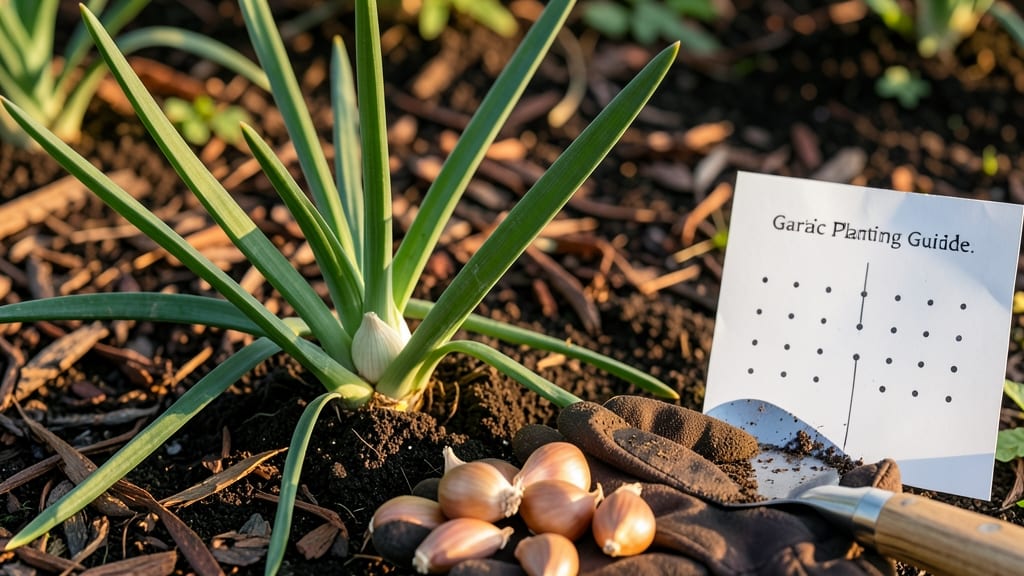
Planting garlic in Zone 5 at the wrong time could mean the difference between a harvest of plump, flavorful bulbs and a disappointing flop. The key to success lies in those crisp fall days when the ground is cool but still workable—typically between October and November—when your 🧄 gets the perfect head start.
Why does timing matter so much? Unlike spring-planted crops, garlic in Zone 5 needs a long, cold winter to develop its signature sweetness and size. Plant too early, and your cloves might rot; too late, and they won’t establish roots before the ground freezes.
I’ve learned the hard way that getting this window right is everything.
In this guide, I’ll break down the exact 4-6 week planting period that works best for Zone 5, including how to adjust for early frosts and soil temperatures. You’ll also discover how to prepare your soil, space your cloves, and avoid common mistakes that sabotage harvests.
Whether you’re a first-time gardener or a seasoned grower, mastering garlic planting in Zone 5 is easier than you think—and the payoff is worth it. Let’s get those cloves in the ground the right way.
Best fall planting window for garlic in Zone 5 (with exact dates)
Timing is everything when planting garlic in Zone 5, where cold winters and short growing seasons demand precision. The ideal planting window spans just 4-6 weeks before the ground freezes—typically mid-October to early November.
This ensures your cloves establish roots before winter dormancy begins, setting the stage for robust bulbs the following summer.
Zone 5’s average first frost date (around November 15) acts as your deadline. Planting too early risks overgrowth before winter, while planting too late leaves cloves vulnerable to freeze damage before roots anchor.
The sweet spot? Soil temperatures between 40-50°F, signaling the perfect balance for root development without encouraging premature top growth.
Regional adjustments matter—northern Zone 5 areas (like Minnesota or Upstate New York) may need to plant by late September, while southern stretches (like Northern Illinois or Missouri) can extend planting until mid-November. Always check your local USDA frost maps for precision.
| Zone 5 Planting Timeline | Key Actions | Soil Conditions |
|---|---|---|
| Late September | Prepare soil: loosen 12" deep, add compost | Warm (60-70°F) |
| Mid-October | Plant cloves 4-6 weeks before frost | Cool (50-60°F) |
| Early November | Mulch heavily (4-6" straw) | Cold (40-50°F) |
| December-February | Monitor snow cover; avoid disturbance | Frozen (dormant) |
| March-April | Remove mulch; water lightly as soil thaws | Thawing (35-45°F) |
For hardneck vs. softneck varieties, timing shifts slightly. Hardnecks (like ‘German White’ or ‘Music’) thrive in Zone 5’s cold and produce scape shoots—plant them by mid-October for best results. Softnecks (like ‘Silverskin’ or ‘Artichoke’) tolerate later planting but risk smaller bulbs if frozen early—aim for late October to November.
Local microclimates play a role too. Urban areas with heat islands may need earlier planting, while rural zones with colder nights can extend the window. Observe your garden’s frost patterns for 2-3 years to refine your schedule. A simple garlic thermometer (buried near planting depth) removes guesswork.
Ever wonder why fall-planted garlic outperforms spring-planted? The answer lies in vernalization—garlic’s need for cold exposure to trigger bulb formation. Zone 5’s winters provide this naturally, but timing ensures cloves don’t rot before roots form.
Think of it as a race against frost: plant too early, and cloves sprout before winter; too late, and they freeze before anchoring.
To test your soil’s readiness, perform the finger test: push your finger into the soil. If it’s easy to insert but not muddy, it’s perfect for planting. Add compost or aged manure to improve drainage, as waterlogged soil causes cloves to rot over winter.
A pH of 6.0-7.0 is ideal—test your soil in early fall to adjust with lime or sulfur if needed.
Remember: garlic planted in fall in Zone 5 yields larger bulbs than spring-planted garlic because it undergoes one full growing season before harvest. Spring planting is possible but results in smaller, less flavorful bulbs—reserved for green garlic or late-season harvests.
For a foolproof method, mark your planting date on a calendar and count back 4-6 weeks from your area’s average first frost. Use this as your planting deadline, then adjust by ±1 week based on soil temperature.
When in doubt, plant early—garlic handles cold better than heat, and you can always mulch heavily to protect cloves.
🌱
How to time your garlic planting for maximum bulb size in cold climates
Garlic thrives in Zone 5 because the cold winter months trigger a process called vernalization, where the bulbs develop their full flavor and size.
Unlike warmer climates, where garlic grows year-round, Zone 5 gardeners rely on freeze-thaw cycles to signal the plant to focus on bulb development instead of flowering. If you plant too early, your garlic may bolt (flower) prematurely. Plant too late, and the bulbs won’t mature fully before harvest.
Timing isn’t just about the calendar—it’s about soil temperature. Garlic cloves need 40-50°F soil to sprout but can’t handle freezing ground. Aim to plant when daytime highs are consistently below 70°F, but nights dip into the 40s.
This usually lands in mid-October to early November for most of Zone 5, but regional microclimates (like urban heat islands or rural cold pockets) can shift this window by 1-2 weeks.
Pro Tip: Use a soil thermometer to confirm readiness. If the ground is already below 40°F, wait until temperatures stabilize—cold soil can stunt root growth before the first frost. In my experience, late October is the sweet spot for central Zone 5, but northern areas (like Minnesota) may need to plant by mid-October, while southern edges (like Virginia) can stretch to early November.
| Stage | Action | Zone 5 Timeline |
|---|---|---|
| Soil Prep | Loosen soil, add compost, test pH (6.0-7.0) | Late August - Early September |
| Planting Window | Plant cloves 4-6 weeks before hard freeze | Mid-October - Early November |
| Overwintering | Mulch heavily (4-6 inches) after ground freezes | November - March |
| Spring Growth | Remove mulch, fertilize lightly in April | April - May |
| Harvest Ready | Lower leaves brown, bulbs firm | June - July |
The depth and spacing of your garlic also play a critical role in bulb size. Plant cloves 2 inches deep with the pointed end up—this ensures straight shoots and easier harvest. Space them 4-6 inches apart in rows 12 inches apart to allow airflow and reduce disease risk.
In Zone 5, where winters are harsh, deeper planting (up to 3 inches) can protect cloves from heaving (popping out of the ground) during freeze-thaw cycles. I’ve found that hardneck varieties (like Music or German White) handle Zone 5’s cold better than softnecks.
One of the biggest myths is that garlic needs to be planted as soon as possible in fall. But rushing can backfire—if the ground is still warm, cloves may sprout too early and get damaged by the first frost. Instead, wait for soil temps to drop below 60°F at night.
This ensures roots establish before winter sets in. For extra insurance, cover newly planted beds with straw mulch (3-4 inches) once the ground freezes—this insulates the soil and prevents temperature swings that can stress the cloves.
Finally, don’t forget that harvest timing is just as critical as planting. In Zone 5, garlic is ready to harvest when lower leaves turn brown and crispy (usually June-July), but before the upper leaves yellow completely.
If you wait too long, the bulbs will split open, reducing storage life. For the largest bulbs, aim to harvest when about 60% of the foliage has died back—this is when the plant has redirected all its energy into the bulb.
My biggest harvests came from garlic planted in late October and harvested in mid-July, giving the bulbs just enough time to mature without overripening.