
Plants
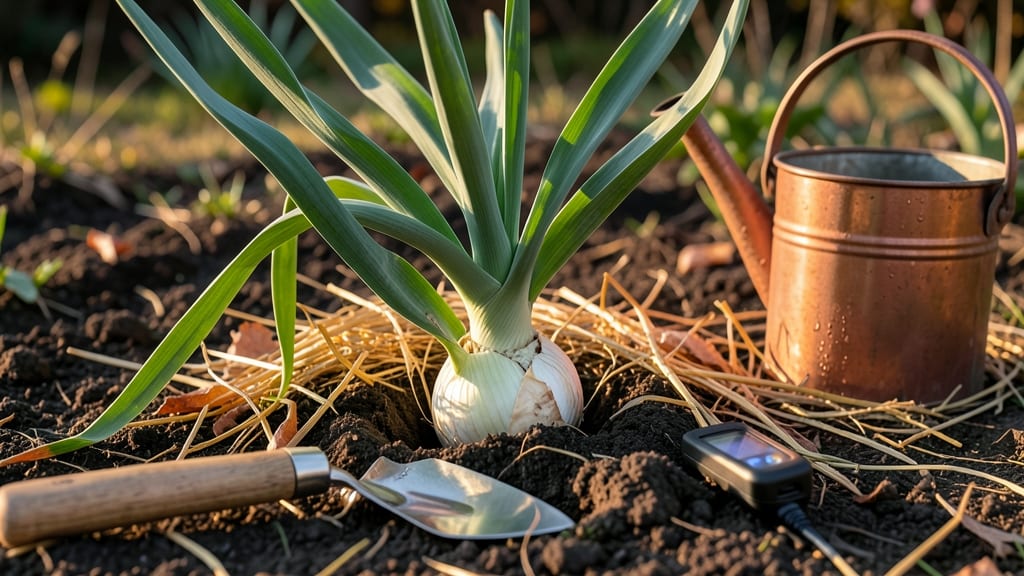
Timing your 🧄 garlic planting in Vermont isn’t just about following a calendar—it’s about outsmarting the state’s unpredictable frost and short growing season. Plant too early, and your cloves might rot before winter; too late, and you’ll miss the sweet spot for plump bulbs by next summer.
Most Vermont gardeners know the golden window is between mid-October and early November, but why?
The secret lies in soil temperatures and frost dates—getting it right means your garlic will establish roots before the ground freezes, setting the stage for a bountiful harvest in late June or early July.
I’ve seen firsthand how a few weeks’ difference can mean the difference between a flavorful harvest and a disappointing one. Whether you’re a seasoned gardener or just starting, this guide will help you navigate Vermont’s 4b-6a climate zones and avoid common pitfalls.
Let’s break down the science behind fall planting, spring alternatives, and soil prep tips so you can grow hardy, high-quality garlic that thrives in Vermont’s challenging conditions.
Vermont garlic planting deadlines: fall vs spring timing explained
Vermont’s USDA zones 4b-6a mean garlic thrives when planted at the right time—too early or late, and you’ll sacrifice bulb size and flavor. The ideal window is mid-October to early November, when soil temps drop below 60°F (15°C) but before hard frost hits.
This cold period triggers bulb formation, while still allowing roots to establish before winter dormancy.
Spring planting is possible but risky—March to early April gives garlic just enough time to mature before Vermont’s short growing season ends. However, bulbs will be smaller and less flavorful compared to fall-planted varieties.
The key difference? Fall garlic relies on cold stratification for bulb development, while spring garlic races against time to reach maturity.
Here’s why timing matters: Garlic needs 165 frost-free days to develop properly. Planting too late in fall risks frost damage before roots anchor, while spring planting cuts the growing season short. Vermont’s variable frost dates (mid-October to early November) make precise timing critical.
| Factor | Fall Planting (Oct-Nov) | Spring Planting (Mar-Apr) |
|---|---|---|
| Best Time | Mid-October to early November | March to early April |
| Soil Temp | Below 60°F (15°C) | 40-50°F (4-10°C) |
| Bulb Size | Large, flavorful | Small, mild |
| Frost Risk | Low (roots established) | High (late frost danger) |
| Growing Days | 240+ days | 180-200 days |
| Best Varieties | Hardneck (e.g., 'German White') | Softneck (e.g., 'Silverskin') |
For Vermont gardeners, fall planting is the gold standard. The 4-6 week window before hard frost lets garlic establish roots while benefiting from winter’s cold. Plant too late (after early November), and cloves may rot before spring.
Spring planting is a last-resort option—only attempt it if you missed fall or want green garlic for early harvests.
Pro tip: Use Vermont’s last frost dates as your guide. Check the Vermont Weatherization & Building Trust frost calendar for your specific region—some areas freeze earlier than others.
For example, northern Vermont (Zone 4b) may need garlic in the ground by October 15, while southern Vermont (Zone 6a) can wait until November 1.
Hardneck varieties like 'German White' or 'Purple Stripe' are Vermont’s top picks for fall planting—they thrive in cold climates and produce large bulbs with flavorful cloves. Softneck varieties (like 'Silverskin') are better for spring planting but yield smaller bulbs.
Always choose large, firm cloves (not from the grocery store!) for the best results.
One common mistake? Planting garlic too deep in heavy Vermont soils. Aim for 2 inches deep—any deeper, and cloves may rot. Amend soil with compost to improve drainage, especially in clay-heavy areas. Mulch with straw or leaves after planting to insulate cloves during winter’s fluctuations.
Spring-planted garlic needs extra care. Use black plastic mulch to warm soil early, or plant in raised beds for faster thawing. Expect smaller harvests—but don’t give up! With the right variety ('Artichoke' or 'Creole'), you can still get edible bulbs by July 4th.
Remember: Vermont’s short growing season demands precision. Whether you’re a fall planner or spring risk-taker, timing is everything for garlic success. Next up: Step-by-Step Fall Planting Guide to ensure your cloves thrive through winter. 🧄
Vermont garlic planting deadlines: fall vs spring timing explained
Vermont’s USDA Zones 4b-6a demand precise timing for garlic planting—miss the window, and you’ll sacrifice bulb size and flavor. The ideal planting window spans from mid-October to early November, when soil temps hover between 40°F and 50°F. This cold stratification period triggers root growth before dormancy sets in.
Spring planting is possible but risky—garlic needs 165 frost-free days to mature, and Vermont’s short season cuts that short. Planting in late April to early May gives bulbs just enough time, but results are often smaller and less robust.
The key difference? Fall-planted garlic establishes roots early, while spring garlic races against time.
| Factor | Fall Planting | Spring Planting |
|---|---|---|
| Planting Window | Mid-October to early November | Late April to early May |
| Soil Temp | 40°F–50°F | 50°F–60°F |
| Root Development | Established before winter | Rushed growth cycle |
| Bulb Size | Large, flavorful | Small, underdeveloped |
| Harvest Time | Late June–early July | Late July–early August |
For Vermont gardeners, the last frost date (typically mid-October) acts as your deadline. Planting 4–6 weeks before ensures roots form before the ground freezes. Hardneck varieties like 'Chesnok Red' or 'German White' thrive in Vermont’s climate, while softneck types ('Artichoke') struggle with our cold winters.
Spring planting is a gamble—garlic planted after May 15th rarely matures fully in Vermont’s 165-day growing season. If you miss fall, opt for early-maturing varieties like 'Silverskin' and use black plastic mulch to warm the soil. But expect smaller bulbs and weaker flavor.
Pro tip: Check Vermont’s frost dates via the USDA Plant Hardiness Zone Map or local agricultural extensions. Aim for 60–70 days before the first hard frost—this is your sweet spot for fall planting success.
Remember, garlic planted too late in fall may rot over winter, while spring planting risks bolting (flowering prematurely) due to heat stress. Timing is everything—Vermont’s climate leaves little room for error! ☀️