
Plants
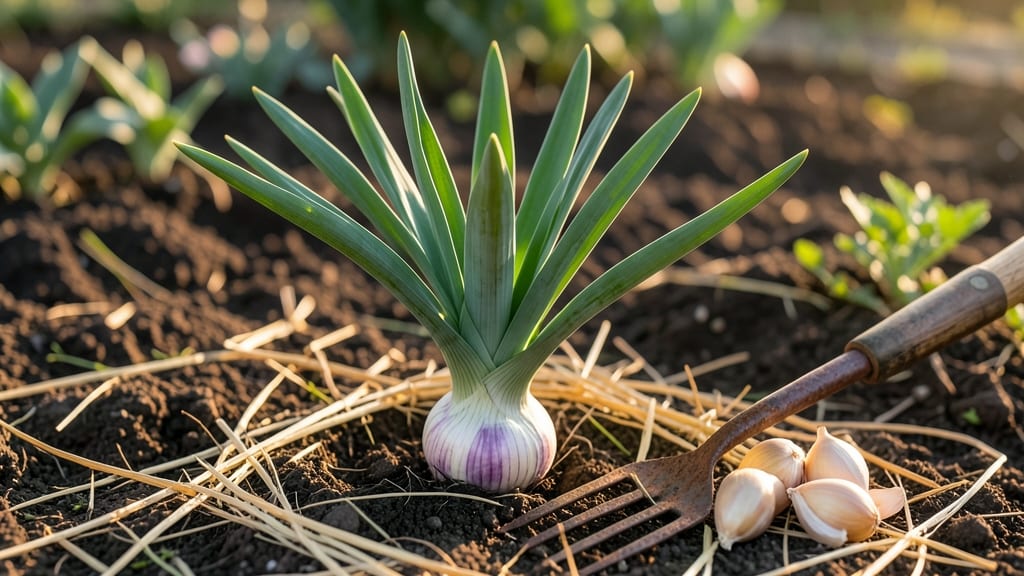
Timing your 🧄 garlic planting in Oregon isn’t just about following a calendar—it’s about reading your local microclimate like a pro.
Whether you’re growing hardneck varieties in the Willamette Valley or softnecks in Eastern Oregon’s high desert, getting the window right (typically October to November) makes all the difference between plump bulbs and disappointment.
Here’s the secret most gardeners miss: Oregon’s USDA zones 7b-9a create wildly different conditions. Coastal areas near Zone 7b might still have workable soil in early December, while inland Zone 9a spots could freeze by November.
Plant too early, and your cloves rot; too late, and you’ll get weak growth. The key? Aim for 4-6 weeks before the ground freezes—that’s your golden ticket.
But it’s not just about dates—soil temperature and variety matter too. Hardnecks (like ‘German White’) thrive in colder winters, while softnecks (like ‘Artichoke’) need milder conditions. I’ll show you how to match your garlic to your microclimate, so you’re harvesting July-August bulbs that’ll make your neighbors jealous.
Ready to grow garlic that outperforms store-bought? Let’s dive into the exact steps to time your planting like a local expert—no guesswork, just results. Your future meals (and bragging rights) will thank you.
Best planting months for garlic in Oregon by variety type
Oregon’s USDA Zones 7b–9a create a perfect window for growing garlic, but timing depends on whether you’re planting hardneck or softneck varieties. Hardneck thrives in cooler climates, while softneck prefers milder winters—both need precise fall planting for strong bulbs.
In most of Oregon, aim to plant 4–6 weeks before the ground freezes, typically between mid-October and mid-November.
Hardneck garlic, like ‘German White’ or ‘Chesnok Red’, performs best in Zone 7b–8a, common in the Willamette Valley and coastal areas. These varieties need cold exposure to form scape and bulbs, so planting too late (after December) risks weak growth.
Softneck varieties, such as ‘Artichoke’ or ‘Silverskin’, tolerate warmer winters (Zone 8b–9a) and can be planted slightly later, up to early January in inland areas like Bend.
| Variety Type | Best Planting Window | USDA Zones | Key Notes |
|---|---|---|---|
| Hardneck | October 15–November 15 | 7b–8a | Needs cold vernalization; scapes form in summer |
| Softneck | November 1–January 10 | 8b–9a | Tolerates warmer winters; longer storage life |
| Both | Avoid planting after December | All zones | Late planting = smaller bulbs; prioritize soil temps below 60°F |
🌱 Pro Tip: Use a soil thermometer—ideal planting temps are 40–50°F.
Oregon’s microclimates can shift planting dates by weeks. For example, the coastal areas (e.g., Astoria) may need garlic in the ground by late September to avoid winter rains, while high-desert regions (e.g., Burns) can wait until early November.
Check your last frost date—planting too early (before soil cools) can trigger premature sprouting, while waiting too long risks frozen cloves.
If you miss the fall window, spring planting is possible but yields are 50% smaller. Plant cloves in February–March for a summer harvest, but expect fewer bulbs. This method works best for softneck varieties in Zone 9a, like those grown in Medford or Roseburg.
For hardnecks, spring planting is rarely recommended due to poor bulb formation.
Soil preparation is just as critical as timing. Oregon’s clay-heavy soils (common in the Willamette Valley) need amendments like compost or sand to improve drainage. Aim for a pH of 6.0–7.0—garlic hates acidic soil.
Work in 2–3 inches of compost and avoid fresh manure, which can burn cloves. Mulch heavily with straw after planting to insulate roots during winter fluctuations.
One common mistake is assuming “earlier is better”. Planting in September (before soil temps drop) can lead to bolting (premature flowering), while waiting until December risks cloves freezing in the ground.
Use this rule of thumb: plant when day lengths shorten to 10–12 hours—a natural cue for garlic to establish roots before dormancy.
For urban gardeners in Portland or Salem, container growing is an option. Use 5–6 inch deep pots with drainage holes and plant cloves in late October. Keep containers in a protected spot (e.g., against a south-facing wall) to buffer temperature swings.
Inland areas like Bend or La Grande can push planting to mid-November thanks to colder nights and drier winters.
Remember, garlic is a biennial crop—it needs one full year of growth before harvesting. In Oregon, this means planting in fall 2024 for a summer 2025 harvest.
Plan ahead: order organic cloves from reputable suppliers (like Territorial Seed Co.) by September to ensure availability. Store cloves in a cool, dark place until planting day.
Finally, don’t overlook pest pressure in Oregon. Garlic rust and thrips thrive in wet springs, so choose resistant varieties like ‘Music’ or ‘Inchelium Red’ if your area is prone to moisture. Rotate planting spots yearly to prevent soil-borne diseases like white rot, which can devastate garlic crops.
Best planting months for garlic in Oregon by variety type
Oregon’s USDA Zones 7b-9a create a perfect window for growing garlic, but timing depends on whether you’re planting hardneck or softneck varieties. Most gardeners in Oregon plant garlic in fall, but the exact month varies by microclimate and variety.
Hardneck garlic thrives in colder winters, while softneck prefers milder conditions.
For hardneck garlic, the ideal planting window is mid-October to early November. This gives the cloves time to establish roots before winter dormancy. In cooler inland areas (Zone 7b), aim for planting by October 15 to avoid frost damage.
Meanwhile, softneck garlic can tolerate slightly later planting, with a window extending to mid-November.
| Variety | Best Planting Window | Oregon Zone Adaptation | Key Notes |
|---|---|---|---|
| Hardneck Garlic | Mid-October to early November | Zone 7b: Plant by Oct 15 Zone 8-9: Plant by Nov 1 |
Needs cold vernalization; produces scapes |
| Softneck Garlic | Late October to mid-November | Zone 8-9: Ideal for milder winters Zone 7b: Risk of frost damage |
No scapes; stores longer; prefers warmer winters |
| Elephant Garlic | Late October to early December | Zone 8-9: Best for mild winters Zone 7b: Plant by Nov 15 |
Larger bulbs; slower to mature; needs longer growing season |
If you miss the fall window, you can plant garlic in early spring (March) for a smaller harvest. However, spring-planted garlic won’t develop as large bulbs or produce scapes. For best results, stick to fall planting and adjust based on your last frost date.
In coastal Oregon (Zone 7b-8a), frost can arrive as early as November 15, so plant by October 1.
For inland areas (Zone 8b-9a), where winters are milder, you have until mid-November to plant. Use a soil thermometer to check readiness—ideal soil temps are 40-50°F. Planting too late can lead to weak bulb development or even rot if cloves sprout before winter.
Pro tip: If your winter is unpredictable, opt for hardneck varieties like ‘German White’ or ‘Silverskin’ for coastal areas. For milder inland zones, ‘Artichoke’ or ‘Creole’ softnecks perform well. Always choose large, firm cloves from organic sources for the best start.
Timing isn’t just about the month—it’s about soil conditions and frost readiness. Planting garlic too early can encourage premature growth, while planting too late risks frost damage. Aim to give your garlic 6-8 weeks of root growth before winter sets in for optimal bulb formation.