
Container Gardens
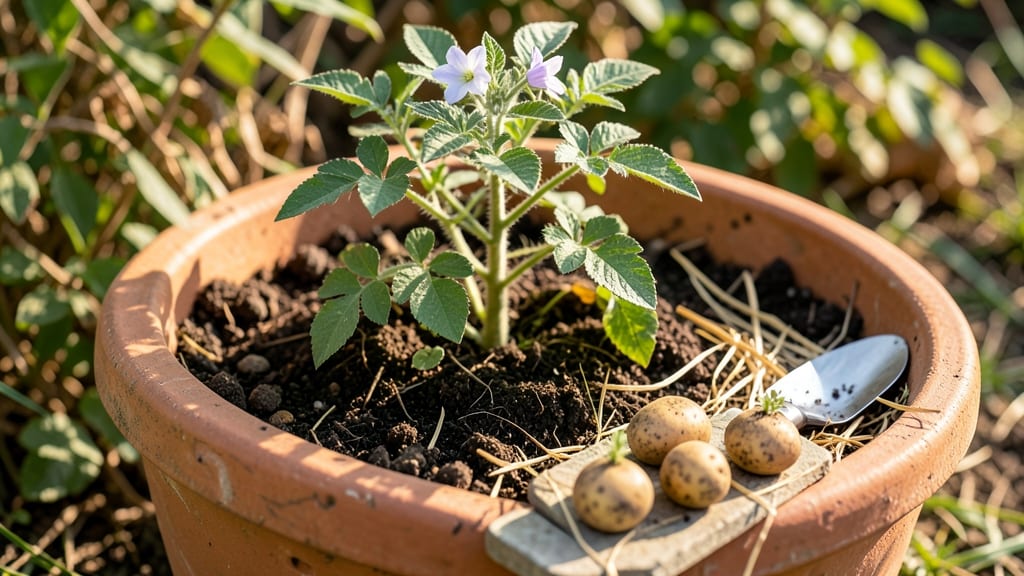
Planting potatoes in containers is a game-changer for small-space gardeners—no yard required! Timing these 🥔 tubers correctly means the difference between a bountiful harvest and wasted effort.
Since containers warm up faster than ground soil, you can start planting 2-4 weeks after your last frost, even in cooler zones like 6a.
But here's the catch: rushing too early can leave your potatoes vulnerable to frost damage, while waiting too long cuts your growing season short. I’ll break down the exact windows for your climate, plus the best cold-hardy varieties that thrive in containers.
Whether you're in a chilly early spring or a mild late-winter zone, these tips will help you time it perfectly.
Why does this matter? Because potatoes need 90 days of consistent warmth to mature—and containers can actually give you an edge. We’ll cover soil prep, container depth, and how to adjust for cooler or warmer regions. No more guessing whether your spuds will be ready by summer!
Ready to grow your own crisp, homegrown 🥔? Let’s dive into the step-by-step timing and tricks that’ll turn your balcony or patio into a potato patch. Your future meals (and taste buds) will thank you!
Best planting timeline for container potatoes by climate zone
Timing your potato planting in containers depends on your USDA hardiness zone and last frost date. For zones 3-5, aim to plant 2-4 weeks before your average last frost—this gives cold-hardy varieties time to establish roots before soil warms.
In zones 6-10, wait until 2-3 weeks after last frost to avoid frost damage to tender shoots.
Containers warm up faster than ground soil, so soil temperature is critical. Potatoes thrive when soil reaches 45°F (7°C)—use a soil thermometer to check. In cooler zones, opt for early-maturing varieties like 'Red Norland' to finish before summer heat sets in.
Here’s your zone-specific planting window for maximum yield, including adjustments for container depth and sun exposure:
| USDA Zone | Planting Window | Soil Temp Requirement | Container Depth | Sun Needs |
|---|---|---|---|---|
| Zones 3-4 | 2-4 weeks before last frost | 45-50°F (7-10°C) | 12-18 inches deep | Full sun (6+ hours) |
| Zones 5-6 | 2 weeks before to 2 weeks after last frost | 50-55°F (10-13°C) | 12-15 inches deep | Full sun (6+ hours) |
| Zones 7-8 | 2-3 weeks after last frost | 55-60°F (13-16°C) | 10-12 inches deep | Full sun (6+ hours) |
| Zones 9-10 | Late winter to early spring (Feb-Mar) | 60-65°F (16-18°C) | 8-10 inches deep | Full sun (6+ hours) |
For early harvests, try succession planting every 2 weeks after your initial planting. This stretches your harvest from summer to fall, even in containers. Just ensure your containers have drainage holes to prevent waterlogging, which stunts growth.
In warmer climates (zones 9-10), avoid planting too early—soil can overheat, causing potatoes to sprout prematurely or rot. Instead, use black plastic mulch to regulate soil temperature and retain moisture in shallow containers.
Pro tip: If your last frost date is uncertain, check your local agricultural extension office or use a frost calendar app. Containers can’t buffer temperature swings like in-ground beds, so accuracy matters!
Once planted, mulch containers with straw to keep soil cool and retain moisture. This is especially critical in hotter zones, where containers dry out faster. Aim for 1-2 inches of mulch once plants reach 6 inches tall.
Remember, container size affects timing too. A 5-gallon bucket fills faster than a whiskey barrel, so harvest earlier in smaller containers. Plan to harvest when foliage yellows or when new potatoes reach 2-3 inches in diameter.
For late-season planting, choose fast-maturing varieties like 'Early Girl' or 'Yukon Gold'. These can tolerate cooler soils and still produce a harvest before first frost in zones 3-6.
Finally, chit your seed potatoes 4-6 weeks before planting to jumpstart growth. Place them in a bright, cool spot (60°F/15°C) until sprouts are 1/2-inch long. This gives you a 2-3 week head start on the season!
Best planting timeline for container potatoes by climate zone
Timing your container potato planting is critical—get it wrong, and you risk stunted growth or frost damage. The ideal window is 2-4 weeks before your last frost date, but exact timing varies by USDA zone and variety.
For example, in Zone 3, aim for early April, while Zone 10 growers can plant as late as February. Always check your local frost forecast to avoid surprises.
Potatoes thrive in cool soil temperatures (45-65°F), so waiting for the ground to warm slightly after frost is key. If you plant too early, cold soil slows sprouting; too late, and your harvest shrinks.
Containers warm up faster than garden beds, so adjust your schedule 1-2 weeks earlier than ground planting guidelines. For instance, if your last frost is May 10, plant in late March or early April.
🌱 Container Potato Planting Timeline by Zone
| Zone | Last Frost Date | Planting Window | Soil Temp Goal |
|---|---|---|---|
| 3-4 | Mid-April to early May | Late March to mid-April | 45-55°F |
| 5-6 | Early to mid-April | Early March to early April | 50-60°F |
| 7-8 | Mid-February to early March | January to mid-February | 55-65°F |
| 9-10 | December to early January | November to December | 60-65°F |
💡 Pro Tip: Use a soil thermometer to confirm temps—containers heat up faster than ground soil!
For extended harvest seasons, consider planting two batches: one in early spring for summer harvests and another in late spring for fall. In containers, this works especially well with early-maturing varieties like Red Norland, which can be ready in just 70 days.
Space your plantings 3-4 weeks apart to stagger your harvest and enjoy fresh potatoes all season.
If you’re in a warmer zone (7-10), avoid planting in peak summer heat—temperatures above 80°F cause potatoes to sprout poorly and develop greening (toxic solanine). Instead, plant in fall (September-October) for a winter harvest. Use black containers to absorb heat and keep soil temps stable, especially in desert climates.
Always pre-sprout your seed potatoes indoors 4-6 weeks before planting to jumpstart growth. Place them in a bright, cool spot (60°F) with indirect light—you’ll see 1-inch sprouts in about 3 weeks. This head start ensures your container potatoes emerge faster and outpace slower-growing garden varieties.
Finally, monitor your containers closely after planting. Containers dry out faster than garden beds, so water consistently to maintain moist but not soggy soil. Mulch with straw or grass clippings to retain moisture and regulate temperature.
With the right timing and care, your container potatoes can yield just as much as in-ground plants—sometimes even more!