
Flowers
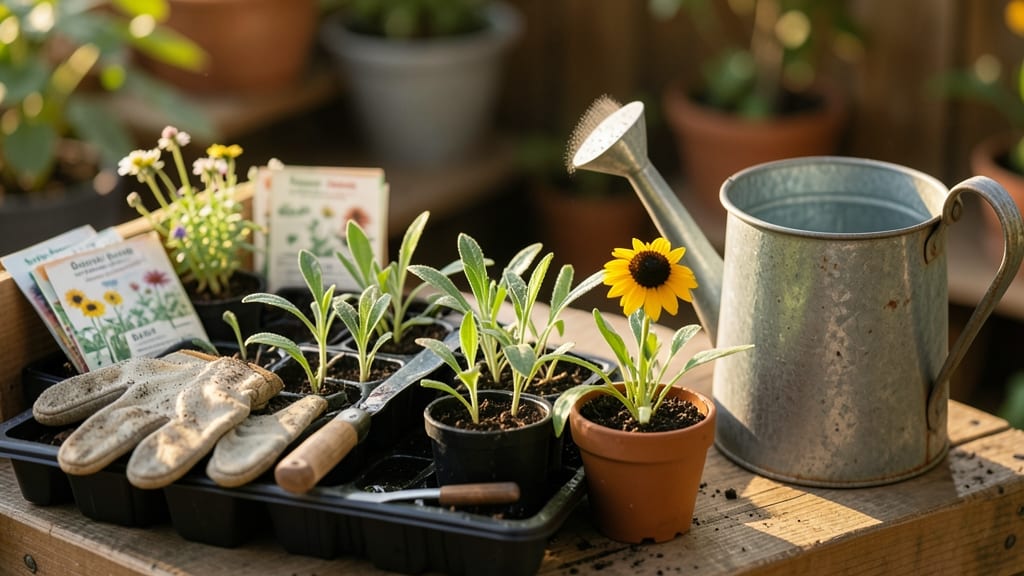
Timing your flower planting in Colorado can feel like a high-stakes game of chance—get it wrong, and your vibrant blooms might never emerge from the ground.
The key to success lies in understanding when can you plant flowers in Colorado, where last frost dates vary dramatically from Denver’s urban heat islands to the high-altitude chill of the Rockies.
Most Colorado gardeners assume "spring" means "go," but without checking your USDA zone (typically 4-8 across the state), you could be planting too early or too late.
For example, Denver’s average last frost hovers around May 15, while Colorado Springs may wait until May 22—a difference that matters for heat-loving marigolds versus frost-hardy pansies.
In this guide, I’ll break down the exact planting windows for your region, including how to adjust for altitude and microclimates.
Whether you’re sowing seeds in containers or prepping garden beds, you’ll learn which flowers thrive in Colorado’s spring, summer, and fall seasons—and how to avoid common mistakes that waste time and money.
Ready to turn your Colorado garden into a year-round paradise? Let’s dive into the zone-specific calendar that’ll have your flowers blooming like never before.
Colorado USDA zones & last frost dates by region (2024 guide)
Colorado’s diverse elevations and microclimates create a patchwork of USDA zones 4 through 8, meaning your planting timeline depends heavily on where you live. Denver sits in Zone 5b-6a, while Colorado Springs falls into Zone 5a-6b, and high-altitude areas like Leadville (Zone 4a) face much earlier frosts.
These differences can shift your planting window by 2-4 weeks—so knowing your exact zone is critical.
For most Coloradans, the average last frost date ranges from mid-April in lower elevations (e.g., Pueblo) to late May in mountain valleys (e.g., Fort Collins). However, these are just averages—actual frost dates can vary by 2-3 weeks due to year-to-year weather swings.
That’s why I recommend waiting until after May 15 in Denver or June 1 in high-altitude areas to plant tender annuals like marigolds or zinnias.
Here’s the key: Cool-season flowers (e.g., pansies, snapdragons) can handle light frosts and often thrive when planted 4-6 weeks before your last frost date. Warm-season flowers (e.g., petunias, geraniums), however, need consistent soil temperatures above 60°F—typically late May to early June in most of Colorado.
🌱
Colorado Planting Zones & Frost Dates
| Region | USDA Zone | Avg. Last Frost | Safe Planting Window | Notes |
|---|---|---|---|---|
| Denver Metro | 5b-6a | April 25-May 10 | May 15-June 1 | Urban heat islands delay frosts |
| Colorado Springs | 5a-6b | April 15-April 30 | May 1-June 1 | Dry climate = faster soil warming |
| Fort Collins | 5a-5b | May 5-May 20 | May 25-June 10 | High-altitude delays |
| Pueblo | 6a-7a | April 1-May 5 | April 15-May 10 | Earlier spring than Denver |
| Grand Junction | 7a-7b | March 15-April 1 | March 30-April 15 | Longest growing season |
*Use a frost date calculator for your exact location: Almanac’s Tool
Microclimates play a huge role in Colorado gardening. For example, south-facing slopes warm up faster than north-facing yards, while urban areas like Denver often experience 2-3°F warmer temperatures than rural zones.
If you’re in a valley or near a body of water, expect later frosts—so hold off on planting until you’re confident the threat has passed.
Pro tip: Perennials like coneflowers and black-eyed Susans can be planted in early spring (March-April) because they establish roots before blooming. But annuals like impatiens need to wait until after Memorial Day in most of Colorado to avoid frost damage.
For container gardeners in Zone 5 or higher, you can extend your season by using heat mats or cold frames to warm soil earlier. I’ve had great success planting petunias in mid-April in containers on my patio—just move them indoors if frost is forecasted.
🌿
Remember: Colorado’s weather is unpredictable. Even if the calendar says it’s safe, check a 10-day forecast before planting.
I always set a reminder for Mother’s Day weekend (mid-May) as my personal cutoff for most annuals—it’s a good balance between waiting for warmth and starting early enough for a full bloom season.
How to calculate your local planting window (beyond the average frost date)
Colorado’s last frost dates vary dramatically by elevation and microclimate, so relying on averages can backfire. For example, Denver’s typical May 15 last frost date might shift to June 1 in a high-altitude garden near Boulder.
To avoid frost damage, I use three key factors: 10-day forecasts, soil temperature, and local frost history. Start by checking your USDA zone (most of Colorado is Zones 4-8) and adding a 2-3 week buffer after the average last frost date.
For cold-hardy flowers like pansies or snapdragons, I plant 4-6 weeks before the last frost date. These varieties thrive in 35-40°F soil, so test your soil with a thermometer—if it’s below 50°F, wait another week.
Tender annuals like marigolds or zinnias, however, need soil temperatures above 60°F and can’t handle frost, so I hold off until mid-June in most regions.
A late-spring frost can wipe out seedlings overnight. Use the National Weather Service’s frost alerts and monitor local weather stations (like those at Denver International Airport or Colorado State University). For high-altitude areas (e.g., Aspen, Telluride), add 3-4 weeks to average frost dates due to cooler microclimates.
Urban gardeners in Colorado Springs or Fort Collins can use container gardening to extend their season. Move pots indoors or to a sunroom if a frost is predicted, or cover seedlings with frost cloth for 24-48 hours.
For in-ground planting, choose frost-resistant varieties like calendula or nasturtiums, which can survive light frosts if established.
Pro tip: Direct-sow heat-loving flowers like sunflowers or cosmos after June 15 in most of Colorado. These plants self-seed easily, so you’ll get second blooms if you plant late.
For perennials, divide and transplant in early fall (September) when soil is still warm but nights cool down—this gives roots time to establish before winter.
If you’re unsure, I recommend planting a test row of fast-growing radishes or bush beans alongside your flowers. These act as frost indicators: if they thrive, your flowers are likely safe.
Adjust your schedule yearly based on your observations—Colorado’s weather is too variable to rely on past years alone.
For precision, bookmark the Almanac’s Colorado Frost Calculator or use apps like PlantNet to track soil warmth and moisture levels. With these tools, you’ll minimize frost risk and maximize your garden’s potential—no more wilted dreams or frozen seedlings! 🌱