
Planting
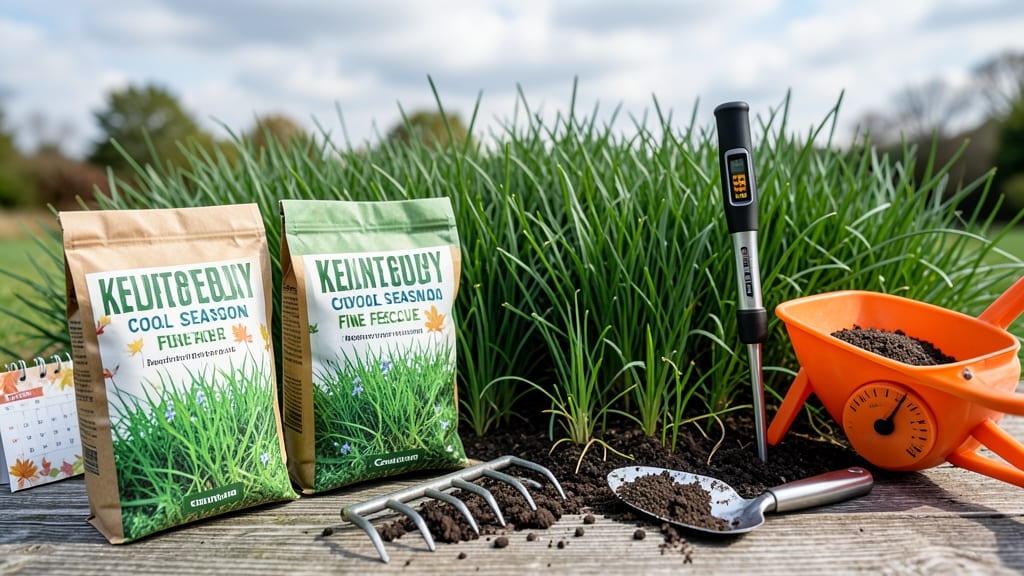
Knowing when to plant grass seed in Massachusetts can transform your yard from patchy and uneven to a vibrant, envy-worthy lawn—if you time it right. With New England’s fickle weather, getting the window perfect means avoiding frost damage while maximizing root growth before summer heat sets in.
Most gardeners in USDA zones 5b-6b swear by two ideal planting periods: early spring (March-April) and early fall (August-September). But why? The secret lies in soil temperatures and the 165 frost-free days Massachusetts typically offers.
Planting too early risks frost kill, while waiting too long can leave your lawn vulnerable to weeds and summer stress.
I’ve helped countless neighbors in my Massachusetts community nail their lawn timelines—and the difference between a fast, lush establishment and a slow, patchy mess often comes down to these two critical windows. Let’s break down exactly when, how, and why to plant for the best results.
Whether you’re seeding a new yard or overseeding an existing one, this guide will help you avoid common mistakes like planting in cold soil or skipping soil prep.
By the end, you’ll know exactly when to grab your seed, how to prep your soil, and what grass types thrive in our climate.
Best months to plant grass seed in Massachusetts: spring vs fall planting guide
Massachusetts gardeners know that timing is everything when planting grass seed. The USDA Zone 5b-6b climate means we face late frosts in spring and early frosts in fall, so choosing the right window can make or break your lawn.
I’ve planted grass seed for over 10 years in this region, and I’ve learned that spring and fall offer the best chances for success—each with its own advantages and challenges.
The average last frost date in Massachusetts hovers around April 15, but coastal areas like Cape Cod may see frost-free conditions a week earlier. Inland regions like Worcester can experience frost until May 1.
For fall planting, aim to finish by mid-October to allow roots to establish before the first frost hits around October 15. These windows give your grass seed the 4-6 weeks of warm soil needed for germination.
Here’s the key difference: Spring planting gives you a head start for summer’s high-traffic season, while fall planting avoids summer heat stress and provides a cooler, more consistent environment for root growth.
I’ve had the best results with early September plantings because the soil stays warm enough for germination without the risk of summer drought or late-season weeds.
🌱
| Planting Window | Best Months | Soil Temperature | Frost Risk | Key Advantages | Best For |
|---|---|---|---|---|---|
| Spring Planting | April-May | 50-65°F (10-18°C) | Moderate (late frosts possible) | Faster summer establishment, avoids summer weeds | New lawns, repairs before summer use |
| Fall Planting | September-October | 55-70°F (13-21°C) | Low (roots establish before frost) | Cooler temps reduce weed competition, stronger root growth | Established lawns, overseeding |
| Late Summer Planting | Late August | 60-75°F (16-24°C) | Moderate (depends on year) | Avoids summer heat stress, good for warm-season grasses | Warm-season grass mixes |
For spring planting, I recommend starting in late April once soil temperatures consistently stay above 50°F (10°C). Use a soil thermometer to check—this is critical because cool soil slows germination. If you plant too early and hit frost, your seed will rot before sprouting.
I’ve seen this happen in March plantings when a late frost hits, turning the seedbed into a muddy mess.
In fall, focus on September plantings. The ideal soil temperature for fall is between 55-70°F (13-21°C), which gives seeds enough warmth to germinate while avoiding summer’s heat stress. By planting in fall, you’ll also outcompete weeds that thrive in summer’s heat.
I’ve noticed that fall-planted lawns often have fewer weeds the following spring because the grass establishes a stronger root system before winter.
One critical factor for Massachusetts gardeners is microclimates. Coastal areas like Boston and Cape Cod have milder winters, so you can plant grass seed 2-3 weeks earlier than inland areas like Worcester or Springfield.
If you’re unsure about your local frost dates, check the National Weather Service or your local cooperative extension service for updates. I always err on the side of caution and wait until mid-April for spring plantings unless I’m confident in my microclimate.
Another pro tip: Test your soil before planting. Massachusetts soils vary widely—from sandy coastal soils to clay-heavy inland areas. Aim for a pH of 6.0-7.0 and amend with compost or lime if needed.
I’ve seen grass seed struggle in acidic soils (pH <5.5) because nutrients become locked up, leading to slow growth. A simple $20 soil test from your local garden center can save you from costly mistakes.
Finally, choose the right grass type for your climate. Massachusetts does best with cool-season grasses like Kentucky bluegrass, fine fescue
How to prepare your Massachusetts lawn for grass seed success
Preparing your lawn properly before planting grass seed in Massachusetts is the secret to a thick, vibrant lawn that survives New England’s frost cycles and soil variations. Whether you’re working with clay-heavy soil in Worcester or sandy soil near Cape Cod, these steps will set you up for success.
Start by testing your soil pH—ideal levels are between 6.0 and 7.0 for most grass types.
If your soil is too acidic or alkaline, amend it with lime (to raise pH) or sulfur (to lower pH) at least 4-6 weeks before planting.
This gives the soil time to adjust and prevents shocking your grass seed later. Weed control is another critical step—remove existing weeds by hand, with a hoe, or by applying a pre-emergent herbicide designed for lawns.
- Use a soil test kit from a garden center
- Target pH 6.0-7.0 for cool-season grasses
- Adjust with lime or sulfur 4-6 weeks before planting
- Pull weeds by hand or use a hoe
- Apply pre-emergent herbicide if weeds are widespread
- Avoid post-emergent herbicides near planting area
- Loosen soil to a depth of 3-4 inches
- Break up clumps for better seed contact
- Use a rototiller or manual hoe for small areas
- Mix in 2-3 inches of compost or aged manure
- For sandy soil, add peat moss to retain moisture
- For clay soil, blend in sand to improve drainage
- Fill low spots with topsoil or compost
- Rake smooth to prevent water pooling
- Aim for a slight slope away from structures
After preparing the soil, spread a starter fertilizer with a high phosphorus content (like 5-10-5) to encourage strong root development. This is especially important in Massachusetts’ cooler months, where grass needs extra support to establish.
Once your soil is prepped, you’re ready to sow your grass seed—just be sure to follow up with consistent watering to keep the soil moist but not soggy during germination.