
How To
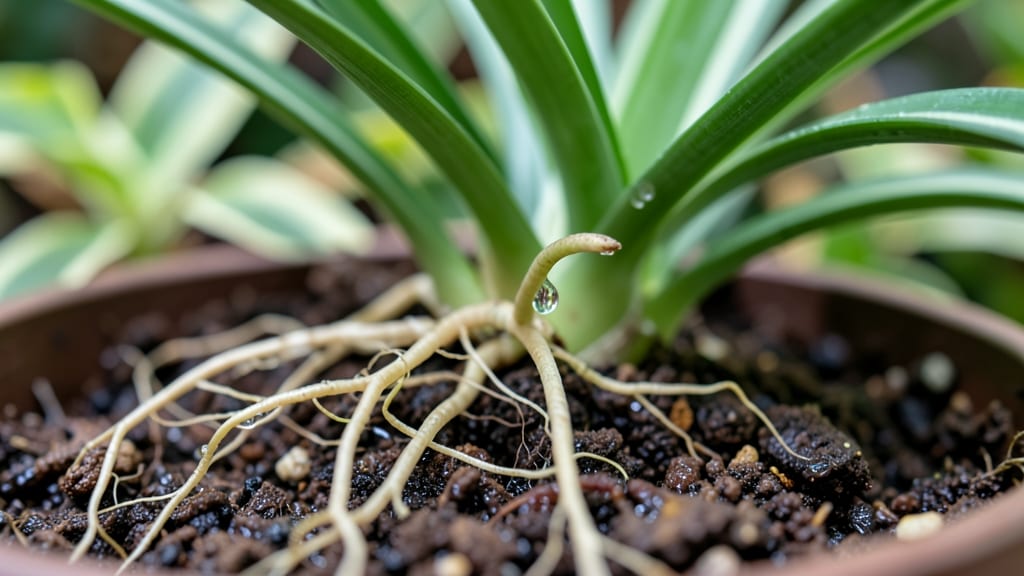
Figuring out how much water your spider plant 🌿 needs can feel like guessing—until you know the science-backed rules. Most people overwater without realizing it, and that’s how you end up with sad, droopy leaves or worse, root rot.
The good news? Spider plants are forgiving once you get the rhythm right.
Watering isn’t just about frequency—it’s about reading your plant’s signals and adjusting for your home’s conditions. Too much moisture, and you’ll smother those roots; too little, and the leaves will start begging for a drink.
I’ll walk you through the exact schedule, from seasonal shifts to simple soil tests that take the guesswork out of care.
Whether you’re a beginner or just tired of second-guessing your watering routine, this guide cuts through the confusion. You’ll learn how often to water based on your plant’s size, pot type, and even the time of year.
No more guesswork—just happy, thriving spider plants that reward you with those signature striped leaves.
Ready to master the art of watering? Let’s dive into the exact schedule and tricks that’ll keep your spider plant’s roots healthy and your green thumb growing stronger.

Spider plant watering schedule by season: how often to water for healthy growth
Your spider plant thrives on consistency—too much water causes root rot, while too little stunts growth. The key is checking soil moisture before watering, not sticking to a rigid schedule.
In spring and summer, your plant drinks more due to warmth and humidity, while fall and winter slow its water needs. Let’s break it down by season so you never guess again.
Start by testing your spider plant’s soil with your finger: Stick it 1-2 inches deep. If it feels dry, it’s time to water. If it’s still damp, wait another 2-3 days.
This simple trick prevents overwatering, the #1 killer of houseplants. Remember, well-draining soil and pots with drainage holes are non-negotiable—they help excess water escape and keep roots happy.
| Season | Watering Frequency | Soil Check | Environmental Notes |
|---|---|---|---|
| Spring | Every 7-10 days | Top 1-2 inches dry | Increasing light and warmth boost growth |
| Summer | Every 5-7 days | Top 1 inch dry | High humidity speeds evaporation; water more often |
| Fall | Every 10-14 days | Top 2 inches dry | Cooler temps slow water absorption |
| Winter | Every 3-4 weeks | Top 3 inches dry | Low light and humidity reduce water needs drastically |
Pot size matters too! A small 6-inch pot dries out faster than a 12-inch pot, so adjust your schedule accordingly. For example, if your spider plant is in a larger container, you might stretch watering to 10-14 days in summer instead of every 5-7 days.
Always pair this with a moisture meter or your finger test for accuracy.
Humidity plays a sneaky role in watering needs. If your home is dry (common with central heating or AC), your spider plant will drink more water. Place a humidity tray under the pot or mist the leaves lightly to mimic its natural tropical habitat.
Aim for 40-60% humidity—any lower, and you’ll need to water more frequently.
Morning watering is a game-changer. Watering in the early morning (before 10 AM) gives excess moisture time to evaporate before nightfall, reducing the risk of fungal diseases. Avoid evening watering, as damp leaves overnight can lead to brown tips or worse.
Pro tip: Use room-temperature water to avoid shocking the roots with cold or chlorinated tap water.
Watch for seasonal changes in your spider plant’s behavior. In spring, you’ll notice new leaf growth and offsets (baby plants), signaling it’s time to increase water slightly. In winter, growth slows, and the leaves may yellow—this is normal dormancy, not a watering issue.
Adjust your schedule to match these natural cycles, and your plant will reward you with lush, vibrant foliage.
If you’re unsure whether your spider plant needs water, lift the pot. A light pot means the soil is dry; a heavy pot means it’s still moist. This trick works even better than finger-testing for some gardeners.
Combine this with the seasonal schedule above, and you’ll have a thriving spider plant year-round without overthinking it.
One final rule: Never let your spider plant sit in standing water. Empty the saucer under the pot within 30 minutes of watering to prevent soggy roots. This small habit can save your plant from root rot and keep it healthy for years.
With this schedule, your spider plant will grow stronger offsets and brighter leaves—no guesswork required!
🌱
Signs your spider plant needs water (or too much water) and how to fix it
Your spider plant (🌿 Chlorophytum comosum) communicates thirst and distress through subtle but unmistakable signs. Ignoring these cues can lead to root rot or stunted growth, but spotting them early gives you time to adjust your watering schedule. Here’s how to read your plant’s signals like a pro.
First, check the soil moisture by sticking your finger 1-2 inches deep. If it feels dry, your plant needs water. But if the topsoil is still damp, hold off—overwatering is the #1 killer of spider plants.
Pro tip: Use a wooden chopstick as a DIY moisture meter for consistency.
Next, observe the leaf color. Brown, crispy tips? That’s a classic sign of underwatering or low humidity. But yellowing leaves with mushy stems? That’s overwatering or poor drainage. Pay attention to the leaf edges—they’re the first to show stress.
Root rot is the silent assassin of spider plants. If your plant feels unusually heavy for its size or pulls out of the pot with resistance, its roots may be rotting. Smell the soil—musty or sour odors confirm the problem. Act fast: Repot in fresh, well-draining soil and trim any black, mushy roots with sterilized scissors.
| Sign | Cause | Fix It Now |
|---|---|---|
| Dry, crispy leaf tips | Underwatering or low humidity | Water deeply + mist leaves |
| Yellow, drooping leaves | Overwatering or poor drainage | Let soil dry completely + repot if needed |
| Mushy stems, foul smell | Root rot | Trim roots + repot in fresh soil |
| Slow growth, few offsets | Underwatering or lack of nutrients | Fertilize lightly + adjust watering |
For underwatered plants, soak the pot in room-temperature water for 10-15 minutes to fully hydrate the roots. Then, let it drain completely before placing it back in its saucer.
If your plant is overwatered, avoid watering until the top 3 inches of soil feel dry. Place the pot in a bright, indirect spot to encourage recovery.
Prevent future issues by adjusting your watering routine based on your home’s humidity levels. In dry climates, water every 7-10 days and mist leaves weekly. In humid areas, stretch it to every 2 weeks. A pebble tray under the pot adds moisture without soggy soil.
Remember: Spider plants are forgiving but not indestructible. The key is consistency and observation. Once you master these signs, you’ll have a thriving plant that rewards you with lush foliage and baby spiderettes in no time. 🌱