
Plants
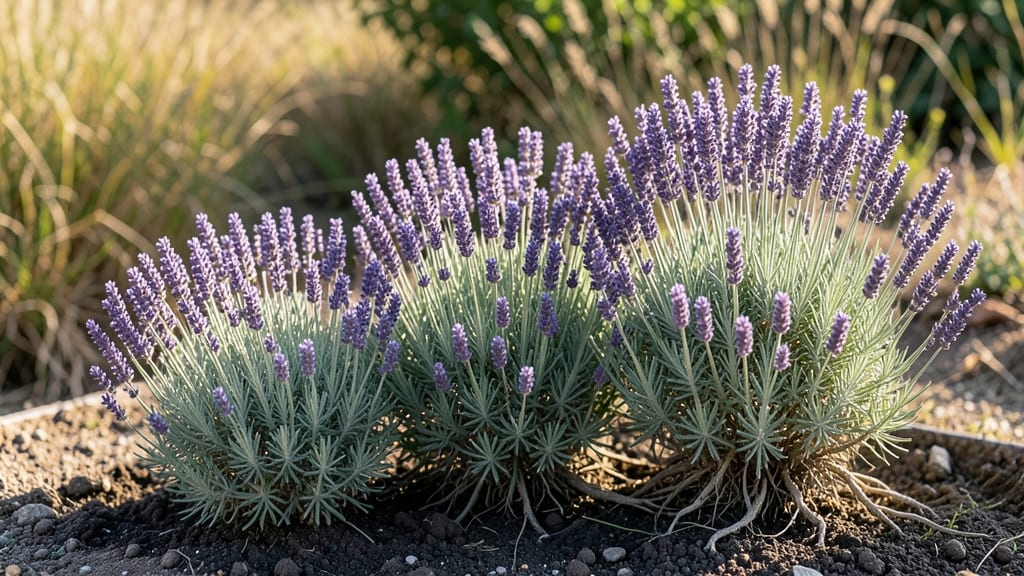
If you're dreaming of a fragrant lavender border but unsure whether the tall plant will grow skyward or stay neatly trimmed, the answer depends entirely on the variety you choose. How tall does a lavender plant grow can vary dramatically—from barely knee-high to towering over your fence—making it a game-changer for your garden layout.
Picture this: English lavender 🌿 often reaches 2 to 3 feet, perfect for borders or containers, while French lavender can climb to 3 to 4 feet if left unchecked. Dwarf varieties, like 'Munstead,' stay compact at just 8 to 12 inches, ideal for edging or window boxes.
The key? Pruning and planting conditions can shift these heights by a foot or more.
But here’s the catch: without proper care, even your shortest lavender can grow leggy, while aggressive pruning can stunt taller varieties. I’ll show you how to control your lavender’s height—whether you want a lush, bushy hedge or a few striking, upright stems for cutting.
Ready to plan your lavender garden with confidence? Let’s break down the varieties, care tips, and spacing secrets to get the perfect height—every time.


Lavender plant height by variety: compact vs tall species compared
If you're planning your garden layout, knowing lavender plant height by variety is essential. Some varieties stay compact enough for window boxes, while others reach fence-topping heights. The difference often comes down to genetics—whether you're growing English lavender, French lavender, or Spanish lavender.
Let’s break down the height ranges so you can choose the perfect fit for your space.
For example, Munstead lavender stays under 2 feet tall, making it ideal for borders or containers. On the other hand, Grosso lavender can soar up to 4 feet tall, perfect for hedges or privacy screens. Understanding these differences helps you avoid surprises when your lavender outgrows its welcome.
Here’s a quick comparison of popular lavender varieties and their mature heights:
| Variety | Mature Height | Best For | Notes |
|---|---|---|---|
| English Lavender (e.g., Munstead) | 18–24 inches | Borders, containers, window boxes | Fragrant, compact, great for cutting |
| French Lavender (e.g., Provence) | 12–18 inches | Rock gardens, ground cover | Dwarf varieties, heat-tolerant |
| Spanish Lavender (e.g., Papillon) | 12–18 inches | Containers, small gardens | Silvery foliage, drought-resistant |
| Grosso Lavender | 36–48 inches | Hedges, privacy screens | Tallest variety, strong stems |
| Hidcote Lavender | 12–18 inches | Borders, mixed beds | Unique gray-green foliage |
Heights can vary based on pruning and growing conditions.
When selecting lavender for your garden, consider not just height but also spreading habits. Some varieties, like English lavender, spread 2–3 feet wide, while others like French lavender stay more contained at 1–2 feet wide.
This width matters if you’re planting lavender near pathways or other plants.
For example, if you’re designing a herb spiral, a 12-inch-tall French lavender would complement rosemary and thyme beautifully. But if you’re creating a privacy hedge, Grosso lavender’s 4-foot height would be a game-changer. Always check the mature size before buying to avoid overcrowding.
Another key factor is growth rate. Dwarf varieties like Provence lavender reach their mature height in just 1–2 years, while taller types like Grosso may take 3 years to fully establish. Patience pays off—rushing pruning can stunt growth, so let your lavender develop naturally before shaping it.
If you’re unsure which variety to choose, start with a mix of heights. For instance, plant Munstead lavender (2 ft) in front of Grosso lavender (4 ft) to create layers in your garden. This tiered approach adds depth and visual interest while keeping maintenance manageable.
Pro tip: Check the USDA hardiness zone for your lavender variety. Most thrive in zones 5–9, but some, like Spanish lavender, are more heat-tolerant. This ensures your lavender won’t outgrow its welcome or* fail to thrive in your climate.
Finally, remember that pruning habits can adjust height over time. Even a 4-foot Grosso lavender can be trimmed to 2 feet for a neater look. We’ll cover pruning techniques in the next section to help you maintain your lavender’s ideal height year after year.
How to control lavender height through pruning and care
Pruning is the secret weapon for shaping your lavender’s height—whether you want a compact hedge or a tall, dramatic specimen. I’ve learned that timing and technique make all the difference.
For most varieties, the best time to prune is late winter or early spring, just as new growth begins. This encourages bushier, fuller plants while keeping them from getting too leggy.
Start by removing dead or woody stems first—these won’t regrow and can crowd out healthier growth. Use clean, sharp bypass pruners to cut just above a leaf node or bud. Avoid cutting into old wood, as lavender struggles to regrow from there.
For taller varieties like Grosso, you can trim back by one-third of their height to maintain a manageable size.
🌿 Step-by-Step Pruning Guide for Lavender
- Step 1: Wait until late winter/early spring (before new growth starts).
- Step 2: Remove dead or damaged stems at the base.
- Step 3: Trim 1/3 of the plant’s height for bushier growth.
- Step 4: Shape outer stems to encourage fullness.
- Step 5: Avoid heavy pruning after mid-summer—it stresses the plant.
💡 Pro Tip: Never prune more than 1/3 of the plant at once—lavender is tough but not indestructible!
Soil and nutrients also play a huge role in controlling height. Lavender thrives in well-draining, slightly alkaline soil (pH 6.5–7.5). If your soil is heavy clay, mix in sand or gravel to improve drainage—waterlogged roots lead to leggy, weak growth.
I’ve found that a light feeding in early spring with a low-nitrogen fertilizer (like 5-10-10) encourages sturdy stems without excessive foliage.
For dwarf varieties like 'Hidcote', minimal pruning is key—just tidy up after flowering to keep them 8–12 inches tall. Over-pruning can turn them into bare stems with no blooms. Meanwhile, taller types like 'Provence' can handle more aggressive trimming to stay under 3 feet.
The goal is balance: enough pruning to shape, but not so much that you sacrifice next year’s flowers.
Finally, watering habits impact height too. Lavender is drought-tolerant, and overwatering can make stems stretch toward light. Water deeply but infrequently—about every 2–3 weeks in summer, less in winter. Mulch around the base with gravel or pebbles to keep roots cool and prevent fungal issues that weaken growth.
With the right care, you can keep your lavender at your ideal height—whether that’s a neat border plant or a showstopping focal point. The key is consistency: prune at the right time, feed lightly, and let the plant’s natural shape guide you.
Your lavender will reward you with years of fragrant blooms and perfect proportions. 🌸