
Plants
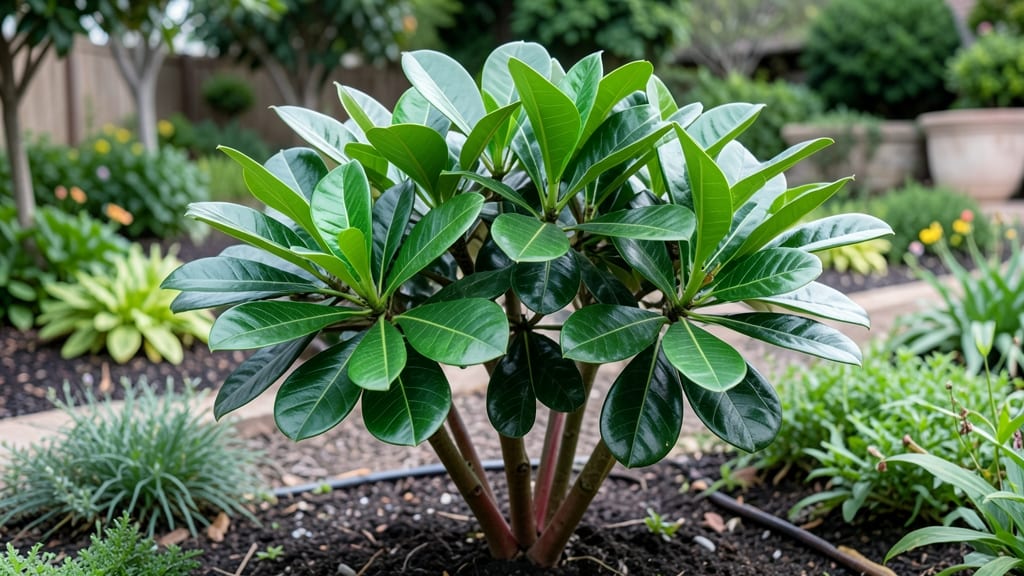
If your Umbrella Plant 🌿 looks sad—droopy, pale, or stretched out—chances are, how much light does an umbrella plant need is the key question.
This tropical beauty thrives in bright, indirect sunlight, but getting the balance right can be tricky, especially if you're dealing with harsh afternoon rays or dim corners.
I’ve seen firsthand how the wrong light can turn a vibrant Umbrella Plant into a leggy, weak shadow of itself. Too much direct sun? Watch those leaves crisp at the edges. Too little light? You’ll end up with sparse, pale fronds that barely resemble the lush plant you imagined.
The good news? With a few simple adjustments, you can give your plant the perfect lighting conditions—whether you’re working with a sunny windowsill or a cozy indoor corner.
Let’s break down exactly how much light your Umbrella Plant needs to stay happy and healthy. We’ll cover the ideal light spectrum, how to spot signs of stress, and even some clever workarounds for when natural light falls short.
By the end, you’ll know exactly where to place your plant—and how to keep it thriving year-round.
Ready to transform your Umbrella Plant from struggling survivor to showstopper? The secret starts with understanding its light love language—and trust me, it’s easier than you think.


Ideal light requirements for umbrella plants: low to bright indirect sunlight explained
Your umbrella plant (Cyperus alternifolius) thrives in bright indirect sunlight, making it perfect for indoor spaces with filtered light. Unlike sun-loving succulents, this tropical beauty hates harsh afternoon rays that can burn its delicate arching fronds.
Think of it as the Goldilocks of houseplants—not too dark, not too bright, but just right.
In nature, umbrella plants grow near water's edge in partial shade, where sunlight is diffused through leaves or dappled by tree canopies.
Recreating this environment indoors means positioning your plant within 3-6 feet of an east or north-facing window, where morning sun gently illuminates its leaves without the intensity of midday heat.
Direct sunlight—especially between 11 AM and 3 PM—can cause brown scorch marks on fronds, while too little light leads to leggy, sparse growth and pale leaves. The key is balance: 4-6 hours of bright, filtered light daily keeps your plant lush and compact.
🌿 Visual Guide: Umbrella Plant Light Needs
| Light Condition | Ideal Placement | Signs of Stress | Solution |
|---|---|---|---|
| Bright Indirect Light | East/west window, 3-6 ft away | Dark green, compact fronds | Perfect! Rotate weekly for even growth |
| Direct Sunlight | South window or outdoors | Brown crispy edges, yellow patches | Move to filtered light immediately |
| Low Light | North window or room corner | Pale leaves, stretched stems | Add grow light 6-8 hrs/day |
| Fluorescent Light | Office or bathroom | Slow growth, weak stems | Use full-spectrum LED, 12+ inches away |
If your umbrella plant develops yellowing leaves, it’s often a sign of too much direct sun. Trim the damaged fronds with clean sterilized scissors and relocate the plant to a spot with sheer curtain diffusion.
For brown tips, check your water quality—hard water or over-fertilizing can mimic light stress.
Seasonal adjustments are crucial. During summer months, your plant may handle 1-2 hours of morning sun, but by July, move it back from south-facing windows to prevent heat damage. In winter, supplement with a grow light if natural light drops below 4 hours daily.
Pro tip: Test your plant’s light conditions with the shadow test. Hold a piece of paper near the plant—if the shadow is sharp and dark, the light is too intense. If the shadow is faint, your plant is getting just the right amount of filtered brightness.
For outdoor growers in USDA Zone 6a, umbrella plants can thrive in partial shade gardens under high-canopy trees. Just avoid placing them in full sun lawns, where they’ll quickly wilt. Container growing offers flexibility—simply move pots to shadier spots during peak afternoon heat.
Remember, your umbrella plant’s frond shape is a direct reflection of its light conditions. Wide, bushy fronds mean ideal lighting, while narrow, sparse fronds signal a need for more brightness. With the right light balance, your plant will reward you with year-round lushness and that signature tropical elegance.
🌱
Ideal light requirements for umbrella plants: low to bright indirect sunlight explained
The umbrella plant (Cyperus alternifolius) thrives in bright indirect sunlight, making it perfect for east or north-facing windows. This tropical beauty needs 4-6 hours of filtered light daily—never harsh midday sun.
Too much direct sunlight causes leaf scorch, while too little leads to leggy, weak growth.
For indoor growers, position your plant 3-6 feet from a window to mimic its natural understory habitat. If natural light is limited, supplement with LED grow lights (12-14 hours/day). Outdoor plants tolerate partial shade but avoid full sun exposure, especially in hot climates.
Watch for these light stress signs:
- Yellowing leaves = too much sun
- Brown tips = low humidity + sunburn
- Stretched fronds = insufficient light
| Light Condition | Ideal Setup | Signs of Stress |
|---|---|---|
| Bright Indirect | East/west window, 3-6 ft away | Healthy green fronds |
| Low Light | North window or grow lights | Leggy growth, pale leaves |
| Direct Sun | South window (afternoon shade) | Brown crispy edges |
Rotate your plant quarter-turn weekly to ensure even light exposure and prevent one-sided growth. In summer, move it 5-10 feet back from windows to avoid heat stress. For outdoor plants, provide dappled shade under trees or a 50% shade cloth.
Use a light meter app to check intensity—aim for 1,000-2,000 foot-candles. If leaves turn yellow-green, it’s craving more light; if brown patches appear, reduce exposure immediately. Misting leaves helps prevent sunburn in dry conditions.
For urban apartments, place your umbrella plant near a west-facing window with sheer curtains. If using grow lights, opt for full-spectrum LEDs and position them 6-12 inches above the plant. Adjust height as it grows to maintain optimal light distance.