
Plants
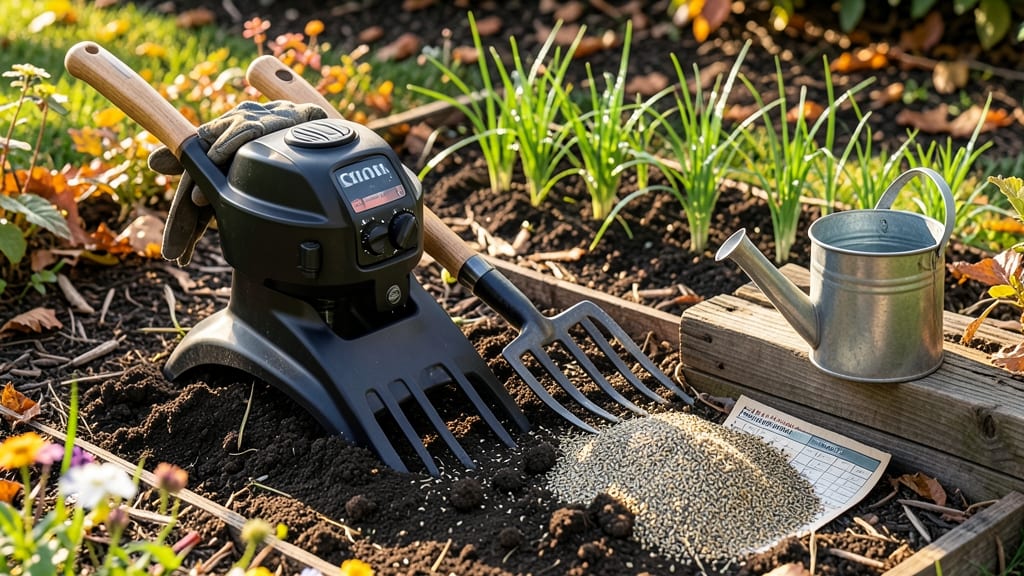
Planting grass seed in the fall is your golden ticket to a lush, green lawn—but timing is everything. 🌱 If you wait too late, frost will stall growth, and if you start too early, weeds and heat will outcompete your new grass.
The ideal window is 4-6 weeks before your first frost, but that date varies wildly depending on whether you're in Zone 6a or further south.
Why does fall planting work so well? Cooler temperatures mean less stress on young seedlings, while reduced weed pressure gives your lawn grass a fighting chance.
I’ve seen firsthand how a properly timed fall planting can transform a patchy lawn into a thick, vibrant carpet by spring—if you get the prep right.
In this guide, I’ll break down the exact planting dates for your zone, plus soil prep secrets that make all the difference. Whether you’re overseeding an existing lawn or starting fresh, these steps will help you avoid common mistakes and set your grass up for success before winter sets in.
Ready to skip the guesswork? Let’s dive into the key timing, soil tricks, and post-planting care that’ll have your lawn looking its best year-round.
Best fall grass seed planting dates by US hardiness zone
Timing your grass seed planting in fall is everything—plant too early, and weeds steal the show; too late, and winter freezes out your new growth. The golden window is 3-6 weeks before your first frost, but this shifts dramatically depending on your USDA hardiness zone.
In colder northern regions (Zones 3-5), aim for mid-August to early September, while southern zones (6-9) can extend planting until late October.
Cooler fall temperatures actually boost germination rates and reduce weed competition. The key is soil temperatures between 60-75°F—ideal for cool-season grasses like Kentucky bluegrass and tall fescue.
Use a soil thermometer to confirm before planting. If your soil is still warm (above 75°F), wait a week or two for temperatures to drop naturally.
Here’s how to pinpoint your exact planting window based on your zone:
| USDA Zone | Ideal Planting Window | Soil Temp Threshold | Key Consideration |
|---|---|---|---|
| Zones 3-5 (Cold Climates) | Mid-August to early September | 60-70°F | Plant early to avoid early frosts |
| Zones 6-7 (Temperate) | Late August to mid-October | 65-75°F | Flexible window; avoid late October |
| Zones 8-9 (Warm Climates) | September to early November | 70-75°F | Plant later; cooler temps trigger germination |
| Zone 10+ (Mild Winters) | October to December | 65-70°F | Avoid summer heat; focus on fall/winter |
For Northern climates, prioritize planting by mid-September to give seeds time to establish roots before winter. In the South, you can push planting into November—just monitor soil moisture closely, as dry spells can stall germination.
Pro tip: Check your local cooperative extension service for hyper-local frost date averages.
If you’re in a transition zone (like Zone 7b), err on the side of earlier planting. Cooler nights in late September can trick seeds into thinking winter is coming, slowing growth. Use a lightweight row cover if frost threatens prematurely to protect tender new shoots.
Another critical factor? Day length. As days shorten in fall, grass growth naturally slows. Planting too late (within 4 weeks of frost) risks seeds germinating but not rooting deeply enough to survive winter. Aim for 6-8 weeks of growth before the ground freezes.
Don’t forget to adjust for microclimates. A south-facing slope warms faster than a shaded yard, so plant 2 weeks earlier in sun-baked areas. Conversely, low-lying spots may need a later start to avoid waterlogging.
Test your soil’s drainage by digging a 6-inch hole—if water pools after 2 hours, amend with compost or sand before planting.
For high-altitude gardens (e.g., mountainous regions), subtract 2-3 weeks from your zone’s planting window. Cooler air at elevation means frost arrives sooner. Use a soil thermometer to confirm readiness—don’t guess based on calendar dates alone.
Finally, if you’re overseeding an existing lawn, time your planting to coincide with your lawn’s natural dormancy period. Most cool-season grasses go dormant in late fall, so seeds can establish without competing with established blades.
For warm-season grasses (like Bermuda), fall is still ideal—just focus on late August to September before the first frost.
🌱
How to prepare your lawn for fall grass seed success
Preparing your lawn before planting grass seed in fall is the secret to thick, healthy turf. Without proper prep, seeds may struggle to germinate or get crowded out by weeds.
Start by mowing your lawn shorter than usual—about 1.5 inches high—to create space for new growth and improve seed-to-soil contact.
Next, test your soil’s pH and fertility using a home kit or local extension service. Ideal soil for cool-season grasses has a pH between 6.0 and 7.0.
If your soil is too acidic or compacted, amend it with lime (for acidity) or compost (for nutrients) at least 2 weeks before planting.
Weeds are the #1 enemy of new grass. Apply a pre-emergent herbicide (like corn gluten meal) 2 weeks before seeding to block weed seeds from sprouting. For existing weeds, spot-treat with vinegar or a natural herbicide 10 days before planting to avoid damaging seedlings.
Moisture is critical in fall. Water your lawn deeply 1-2 days before planting to soften the soil. After seeding, keep the soil consistently moist but not soggy—aim for 1 inch of water weekly, either from rain or irrigation. Use a light sprinkler to avoid washing seeds away.
Finally, cover seeds lightly with straw or peat moss (¼ inch thick) to protect them from birds and retain moisture. Avoid heavy mulch, which can smother seeds. Once sprouts appear (7-21 days), reduce watering slightly but keep the soil moist until grass reaches 3 inches tall.
With these steps, your fall grass seed will germinate faster, establish deeper roots, and outcompete weeds—giving you a lush, resilient lawn by spring. 🌱✂️