
Plants
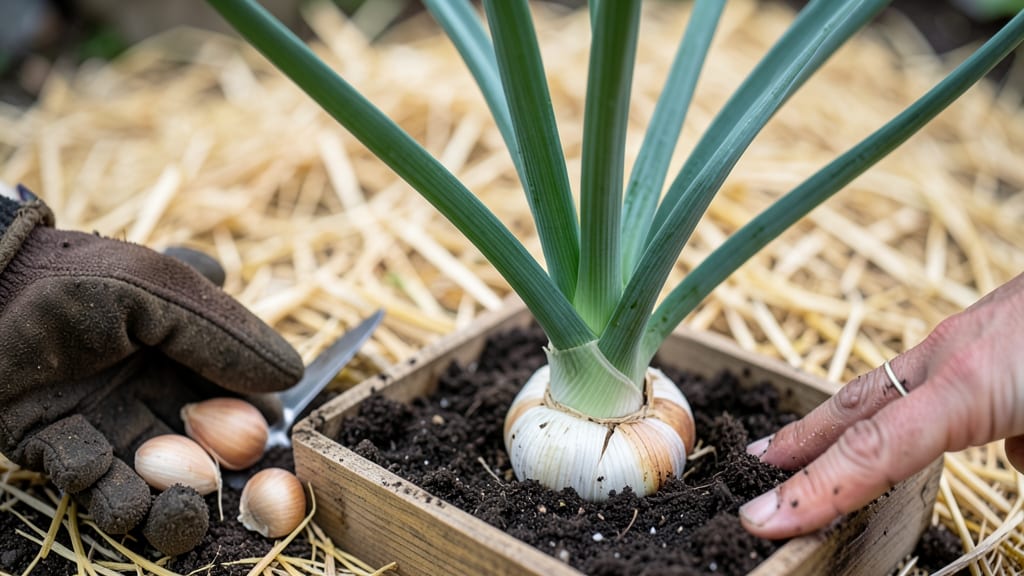
If you're growing 🧄 garlic in Zone 10a, when to plant garlic is the first critical question—because timing isn’t just about the calendar but about outsmarting the heat and avoiding bolting before your bulbs even form.
Unlike colder zones, your mild winters mean you’ve got a narrow window to plant garlic just right, and missing it could mean tiny cloves or no harvest at all.
The key to success in Zone 10a starts in fall, when soil temperatures drop below 60°F—usually around October or November. Planting too early means your garlic might sprout and bolt before winter chills set in, while waiting too long risks stunted growth from summer heat.
But don’t stress: with the right variety and a few local tweaks, you can grow plump, flavorful bulbs even in your warm climate.
I’ll walk you through exactly when to plant in your specific microclimate, how to spot the perfect soil conditions, and which garlic types thrive best without bolting.
Plus, I’ll share my top tips for keeping your garlic happy through those long, hot summers—because in Zone 10a, the real challenge isn’t frost, it’s heat management.
Ready to grow garlic that actually matures? Let’s dive into the Zone 10a-specific schedule that’ll give you a harvest worth bragging about next summer.
Optimal planting windows in Zone 10a for zero-bolt garlic
In Zone 10a, where winters are mild and summers scorching, garlic thrives when planted during the 6-8 week window before summer heat peaks. Unlike colder zones, you avoid frost entirely—but the real challenge is preventing bolting (premature flowering) caused by heat stress.
My secret? Plant between mid-October and early December for perfect timing.
Garlic needs cool soil temperatures (40-50°F) to establish roots before summer arrives. In Zone 10a, this means starting in October for early varieties or holding off until November-December for late types. The key is to give bulbs 120-150 days of cool growth before summer heat hits.
Here’s the breakdown: Early varieties (like 'Artichoke') can handle October planting, while late varieties (like 'Silverskin') do better in November. The goal is to have garlic fully rooted by March, when daytime temps climb above 70°F—the bolting threshold.
🌱Pro Tip: Use a soil thermometer to confirm temps are below 60°F at planting depth (2 inches). If soil is too warm, wait 1-2 weeks.
Zone 10a Garlic Planting Timeline
| Planting Window | Soil Temp Goal | Variety Fit | Risk Level |
|---|---|---|---|
| Mid-October | 50-55°F | Early (Artichoke, Rocambole) | Low (bolting risk) |
| Late October | 45-50°F | Mid-season (Creole, German White) | Moderate |
| November | 40-45°F | Late (Silverskin, Softneck) | Low (best for Zone 10a) |
| Early December | 35-40°F | All varieties (safe hedge) | None |
🌡️ Note: Soil temps >60°F at planting = higher bolting risk.
For Zone 10a gardeners, the December planting window is my go-to for foolproof results. By then, summer’s heat is months away, and garlic has plenty of time to bulb up before temperatures rise. This method eliminates bolting risk entirely while still yielding large, flavorful cloves by late summer.
🌱Critical: Avoid planting after January—garlic planted too late may not mature before summer heat triggers bolting. If you miss the fall window, wait until next October.
Another trick? Mulch heavily (4-6 inches of straw) after planting to insulate soil and maintain cool temps. This mimics the natural cooling effect of winter in colder zones, giving your garlic the consistent chill it craves.
💡Zone-Specific Hack: In coastal areas (like San Diego), plant 2 weeks earlier than inland zones due to cooler ocean breezes. Use this to your advantage—adjust your timeline based on your microclimate.
Finally, harvest timing in Zone 10a is June-July, when lower leaves yellow and bulbs feel firm. But if you plant late (December), expect harvests to shift to late July-August. The key is to watch the weather—garlic hates heat + humidity, which can cause rot.
✂️Ready to Plant? Grab your cloves, a soil thermometer, and mark your calendar for mid-October. Your zero-bolt garlic adventure starts now!
Soil and climate triggers: when your Zone 10a garden is Ready
Zone 10a’s mild winters mean garlic thrives here—but only if you plant at the right soil temperature. Unlike colder zones, we don’t wait for frost; instead, we watch for consistent 40-50°F soil temps at 4-inch depth.
This signals your garlic’s roots will establish before summer heat triggers bolting (that bitter, flower-stalk nightmare).
Use a soil thermometer to confirm readiness—don’t guess! I test mine daily in late September until temps stabilize.
If your soil stays above 55°F for more than a week, delay planting until cooler nights arrive. Santa Ana winds can also dry out soil faster, so mulch heavily after planting to retain moisture.
🌱
- 🌡️ Soil temp drops to 40-50°F at 4" depth → Plant now! (Use a thermometer for accuracy.)
- 🌬️ Santa Ana winds pick up → Wait 3-5 days to avoid desiccation.
- 🌙 New moon phase → Ideal for root growth (plant cloves pointy-end up).
- 🌧️ 1-2 inches of rain forecasted → Plant 24 hours after to prevent waterlogging.
- 🌡️ Night temps stay above 60°F → Delay planting to prevent bolting.
Watch for premature sprouting—a red flag! If your garlic cloves start growing green shoots indoors before planting, they’ve likely been stored too long or exposed to warmth. Discard these cloves and choose fresh ones from a reputable seed supplier (like Territorial Seed Co. or Baker Creek).
Pro tip: In coastal Zone 10a (like San Diego), plant 2-3 weeks earlier than inland areas—cooler ocean breezes delay soil warming. Conversely, inland spots (like Phoenix) may need a later start to avoid early heat spikes.
Finally, moisture matters. Zone 10a’s dry winters mean garlic needs consistent watering after planting. Aim for 1 inch of water per week (more during Santa Ana winds). Use drip irrigation to keep leaves dry and prevent fungal diseases like white rot.
✂️