
Plants
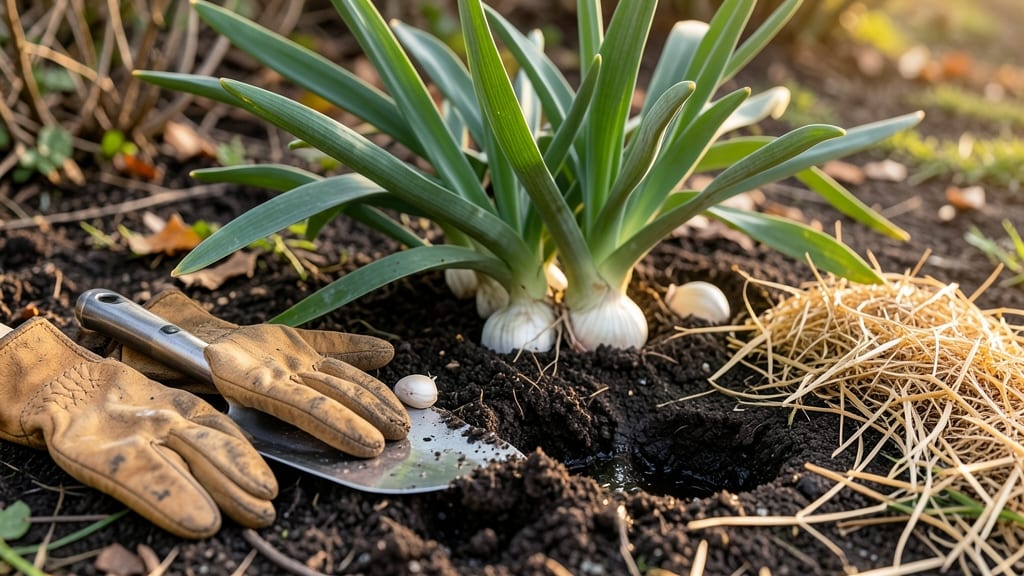
Knowing when to plant garlic in South Texas can mean the difference between a thriving crop of plump 🧄 bulbs and a disappointing harvest. Unlike cooler climates, South Texas's mild winters and scorching summers demand precise timing to avoid bolting or stunted growth.
For gardeners in USDA zones 9a-10a, fall planting between October and November is your best bet. This window lets garlic establish roots before winter chill sets in, giving you a head start on next spring's harvest. Missing this window? Spring planting is possible but riskier in Texas heat.
Hardneck and softneck varieties both thrive here, but their planting schedules differ slightly. I'll break down the ideal months for each type, plus how to adjust for early freezes or late-season heat waves.
With the right timing, you'll enjoy homegrown garlic from April through June—just in time for summer cooking.
Ready to grow garlic that outperforms store-bought? Let's dive into the exact planting schedule and pro tips that work for South Texas's unique climate. Your kitchen (and taste buds) will thank you!
Best planting months for garlic in South Texas by variety
South Texas’s USDA Zones 9a-10a mean garlic thrives here—but only if planted at the right time. Unlike northern climates, we don’t have freezing winters to trigger dormancy, so fall planting is critical to avoid bolting (premature flowering) in the heat.
Hardneck and softneck varieties have slightly different windows, but both need cool soil temperatures to establish roots before summer’s relentless sun.
For hardneck garlic (the type that produces scapes), aim for mid-October to early November. This gives bulbs time to root deeply before temperatures climb above 70°F in late winter.
Softneck varieties, like ‘Silverskin’, are more forgiving and can handle a late-November planting, but don’t wait past December—your harvest will suffer.
Here’s the golden rule: Plant garlic 6–8 weeks before the ground temperature consistently stays below 70°F. In South Texas, that’s usually October 15–November 15, but check your local Almanac frost dates—even mild winters can push planting later.
Pro tip: Use a soil thermometer to confirm temps are ideal (aim for 60–65°F at planting depth).
⚠️ CRITICAL: Never plant garlic in summer or early fall (August–September). The heat will shock cloves, causing them to rot or bolt immediately. If you miss the fall window, your only option is spring planting, but yields will be 50% smaller and flavor weaker.
Adjust your planting timeline based on local microclimates. Coastal areas (e.g., Corpus Christi) stay milder longer, so you can plant softneck garlic as late as December 1. Inland areas (e.g., San Antonio) should plant hardnecks by November 1 to avoid early heat stress.
Always test soil moisture—dry spells in winter can stall growth, delaying harvests by weeks.
If you’re new to garlic growing, start with softneck varieties like ‘Silverskin’—they’re 30% more forgiving in South Texas’s unpredictable winters. Hardnecks like ‘German White’ are rewarding but require precise timing to avoid bolting.
For both types, break apart bulb clusters and plant individual cloves pointy-end up, 2 inches deep in loose, well-draining soil.
One common mistake? Planting garlic in containers without drainage. South Texas’s heavy clay soil can suffocate roots, so amend beds with compost and coarse sand to improve airflow. If using pots, choose fabric grow bags—they prevent root circling and wick away excess moisture during our summer downpours.
Remember: Garlic planted in fall = larger bulbs. Spring-planted garlic in South Texas often bolts before maturing, resulting in tiny, pungent cloves. For a year-round supply, stagger plantings: October, November, and December batches will give you harvests from April through June.
Store extra bulbs in a cool, dark place (like a mesh bag in the pantry) to extend freshness.
Finally, keep an eye on scapes if growing hardneck varieties. These curly stems appear in March–April and should be snipped off to boost bulb size. Save scapes for pesto or pickling—they’re a delicious bonus!
With the right timing, you’ll harvest plump, flavorful garlic that rivals store-bought (and tastes 10x better).
Best planting months for garlic in South Texas by variety
South Texas’s hot summers and mild winters create a tricky timeline for garlic. Unlike cooler climates, we can’t just plant in fall—timing must align with soil temperatures and frost-free windows. Hardneck and softneck varieties have different needs, so let’s break it down for your USDA Zone 9a-10a garden.
For hardneck garlic, aim to plant between mid-October and November 15th. This gives bulbs time to establish roots before winter, but avoids the January heat spikes that can trigger bolting.
Softneck varieties, like ‘Silverskin’, are more forgiving and can handle a slightly later window—up to December 1st—since they don’t produce scapes and focus on bulb development.
Here’s the key: soil temps should be 60–70°F at planting. In South Texas, this typically means waiting until after the first hard frost (usually mid-December) but before ground temps rise above 75°F in spring. Miss this window, and you risk premature bolting or stunted growth.
| Variety | Ideal Planting Window | Soil Temp at Planting | Harvest Window | South Texas Notes |
|---|---|---|---|---|
| Hardneck (e.g., 'German Red', 'Music') | Mid-October – November 15 | 60–70°F | April – May | Bolts early if planted too late; needs winter chill. |
| Softneck (e.g., 'Silverskin', 'Artichoke') | October – December 1 | 60–75°F | May – June | More heat-tolerant; stores longer but needs consistent moisture. |
| Elephant Garlic (e.g., 'Inchelium Red') | November – December 10 | 65–70°F | June – July | Larger bulbs but slower to mature; avoid summer heat. |
*Adjust dates 1–2 weeks earlier for high-desert areas (e.g., El Paso) or later for coastal regions (e.g., Corpus Christi).
If you’re in a cooler microclimate (like the Hill Country), you can plant as early as September, but most of South Texas benefits from waiting until October. The goal is to let garlic root deeply before winter rains or spring heat stress sets in.
Pro tip: Use a soil thermometer to confirm temps—don’t rely on air temperature alone!
For spring planting, it’s possible but risky. If you miss fall, try January (using cloche protection for frost) or February with shade cloth to prevent bolting. However, yields will be 30–50% smaller than fall-planted garlic. Spring garlic is best for green garlic harvests, not bulbs.
Remember: Garlic needs 90–120 days of cool weather to form bulbs. In South Texas, that means starting in fall for a spring harvest—just as the heat ramps up. Plan ahead to avoid the April–May bolting trap, where rising temps trigger flowering instead of bulb growth.