
Plants
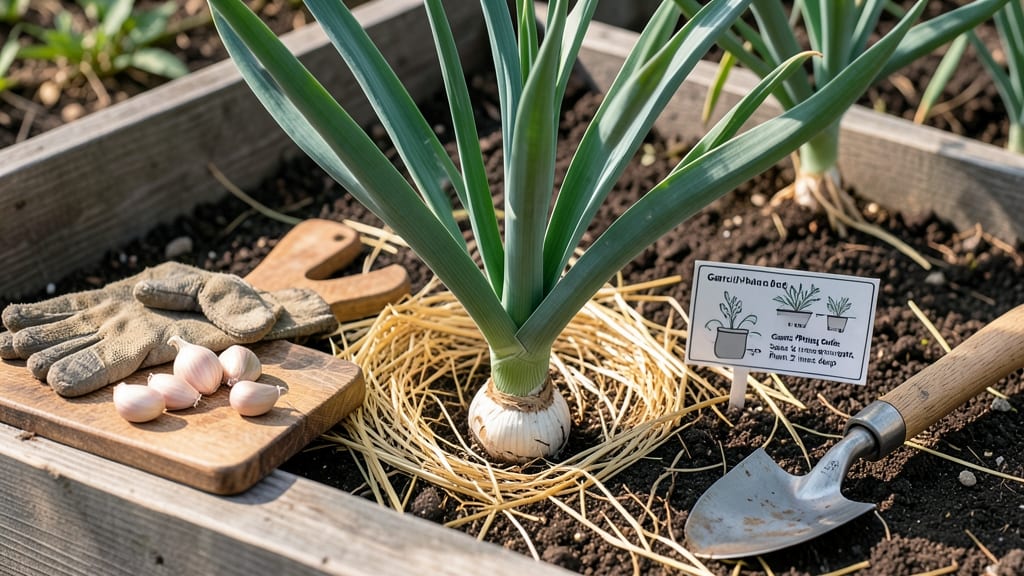
Timing your garlic planting in Connecticut can mean the difference between a thriving crop and a disappointing harvest—especially when you’re dealing with Zone 6a’s fickle frost dates.
If you’ve ever wondered why some gardeners swear by fall planting while others experiment with spring, the answer lies in Connecticut’s unique climate quirks.
Most Connecticut gardeners know that fall is the sweet spot for planting 🧄—typically between October and November—but getting the exact window right depends on your variety and local frost patterns.
Hardneck garlic, like Rocambole, needs that 4-6 week head start before the ground freezes, while softnecks like Silverskin can be a little more flexible. The key? Planting early enough so the bulbs establish roots but not so late that winter sets in before they’re ready.
What happens if you miss the boat? Spring planting is possible, but it’s a gamble in Connecticut’s short growing season. You’ll need to start seeds indoors by February and transplant carefully, hoping for a harvest before summer’s heat sets in.
Either way, the prep work—soil testing, mulching, and protecting from late frosts—is where the real magic happens.
In this guide, I’ll break down the exact planting windows for Connecticut’s most popular varieties, plus the critical prep steps to ensure your garlic thrives from October’s chill to next July’s harvest. Let’s get those cloves in the ground the right way.
Connecticut garlic planting calendar: exact dates by variety type
Timing your garlic planting in Connecticut depends on whether you’re growing hardneck or softneck varieties, as each has different cold requirements. Most of the state falls under USDA Zones 5-6, where garlic thrives when planted in fall—but the exact window varies by variety and microclimate.
Coastal areas like New London may have slightly longer frost-free periods compared to inland Hartford or Litchfield.
For hardneck garlic (like Rocambole or Artichoke), aim to plant 4-6 weeks before the ground freezes, typically between mid-October and early November.
These varieties need cold vernalization to form bulbs, so planting too late (after December 1) risks poor yields. Softneck garlic (such as Silverskin) is more flexible and can tolerate slightly later plantings, but early fall is still ideal.
To pinpoint your exact planting window, check your average first frost date. In most of Connecticut, this falls around mid-October, but coastal areas may push it to late October.
Planting too early (before September 15) gives garlic time to sprout before winter, which weakens the bulbs. Use this planting calendar to align your schedule with Connecticut’s climate.
🌱 Connecticut Garlic Planting Timeline by Variety
| Variety Type | Ideal Planting Window | Notes for Connecticut |
|---|---|---|
| Hardneck (Rocambole, Artichoke) | Mid-October to early November | Needs cold vernalization; plant 4-6 weeks before frost. |
| Softneck (Silverskin, Creole) | Late October to December 1 | More flexible; tolerates milder winters in coastal CT. |
| Elephant Garlic (Giant) | Mid-October to early November | Treats like hardneck; best in well-drained soil. |
📅 Pro Tip: Use cloves from organic garlic for best results—avoid treated supermarket bulbs.
If you miss the fall window, spring planting is possible but risky in Connecticut’s climate. Plant as early as March (when soil temps reach 40°F), but yields may be 30-50% smaller due to shorter daylight.
For best results, stick to fall planting and use local nurseries for cold-hardy varieties like German Red or Music.
Adjust your planting date based on microclimates. Inland areas like Tolland or Windham may freeze earlier, while Fairfield County near the coast can plant up to 2 weeks later.
Monitor soil temperatures—garlic cloves need 40-50°F soil to sprout. Use a soil thermometer to avoid planting too early when soils are still warm.
For organic gardeners, Connecticut’s clay-heavy soils benefit from compost amendments before planting. Mix in well-rotted manure or leaf mold to improve drainage. Avoid fresh manure, which can burn garlic roots. Test your soil’s pH (6.0–7.0)
After planting, mulch heavily with straw or leaves (4–6 inches) to insulate bulbs through winter. This protects against freeze-thaw cycles and soil heaving. Remove mulch in early spring to allow soil to warm and encourage growth. In Connecticut’s Zone 6a, garlic typically emerges in March, with bulbs ready for harvest by mid-July. Harvest timing varies by variety: hardnecks mature first (late June–early July), while softnecks take until late July. Look for brown lower leaves and flattened stems—these signal bulbs are ready. Cure harvested garlic in a dry, shady spot for 2–3 weeks before storing. Connecticut’s humid summers make proper curing essential to prevent mold. Plan ahead for next year’s crop by saving seed garlic from your best bulbs. Break apart large bulbs in late summer and store cloves in a cool, dry place until fall planting. This ensures varietal purity and adapts garlic to your specific microclimate over time. With the right timing and care, Connecticut gardeners can grow high-quality garlic despite the challenges of a short growing season.
How to extend Connecticut’s garlic growing season with fall prep
Preparing your garden in fall is the secret to growing high-quality garlic in Connecticut’s Zone 6a. While timing is critical, soil health and frost protection make or break your harvest. Start by testing your soil pH—garlic thrives in 6.0–7.0.
Connecticut’s clay-heavy soils often need organic matter to improve drainage and aeration. Amend with compost or aged manure 4–6 weeks before planting to give microbes time to break it down.
Next, focus on drainage. Garlic rots in soggy soil, so avoid low spots where water pools. If your garden has poor drainage, consider raised beds or mounding soil. Add sand or perlite to heavy clay soils to create air pockets.
A quick fix? Plant garlic on ridges to encourage water runoff. This small adjustment can double your success rate in Connecticut’s wet springs.
🌱 **Critical Fall Prep