
Flowers
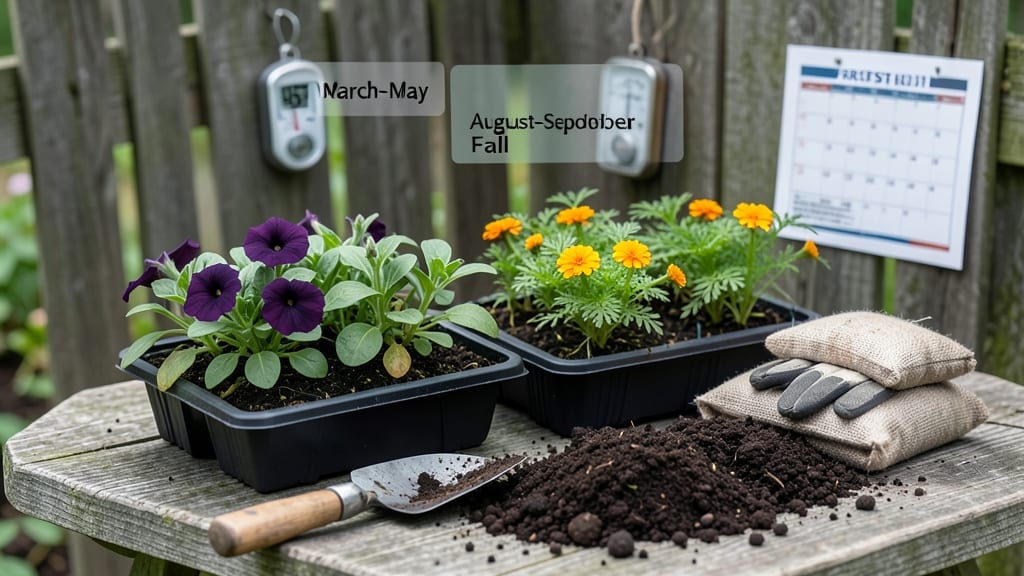
Timing your flowers' planting in Zone 5 can mean the difference between a vibrant garden and a frost-killed disappointment.
The last thing you want is to rush out and plant your 🌸 favorites only to watch them wilt under unexpected late frosts—especially when the average last frost date hovers around mid-May.
Here’s the game-changer: knowing exactly when to plant isn’t just about avoiding frost—it’s about maximizing your garden’s potential. Whether you’re dreaming of summer annuals or hardy perennials that return year after year, getting the timing right ensures your flowers thrive from the moment they hit the soil.
In this guide, I’ll break down the perfect planting windows for Zone 5, from early spring bulbs to late-summer bloomers.
You’ll learn how to adjust for your specific location, whether you’re in Chicago’s cooler microclimate or Pittsburgh’s slightly warmer pockets, so you can enjoy a garden that bursts with color all season long.
Ready to transform your garden into a blooming paradise? Let’s dive into the exact months and strategies that will give your flowers the best possible start—no guesswork required.
Best flower planting months in Zone 5 by type (cool vs warm season)
Zone 5’s 150-180 frost-free days demand precision when planting flowers. Cool-season flowers like pansies and snapdragons thrive in early spring (March-April), while warm-season varieties such as zinnias and marigolds need late spring (May-June) warmth. Bulbs, however, follow their own schedule—planting in fall (September-October) for spring blooms.
Your exact last frost date (typically mid-May) is the golden rule for annuals and tender perennials. Use local weather data to fine-tune timing—Chicago’s last frost often hits 2 weeks later than Pittsburgh’s. For bulbs, aim to plant 6-8 weeks before ground freezes (usually late September).
| Flower Type | Planting Window | Key Notes |
|---|---|---|
| Cool-Season Annuals | March-April (before last frost) | Pansies, Snapdragons, Sweet Alyssum; tolerate light frost |
| Warm-Season Annuals | May-June (after last frost) | Zinnias, Marigolds, Petunias; need warm soil (60°F+) |
| Perennials | April-May (after frost) | Coneflowers, Black-Eyed Susans; establish roots before summer heat |
| Spring-Blooming Bulbs | September-October (fall) | Tulips, Daffodils, Hyacinths; store energy over winter |
| Fall Planting (Annuals) | August-September (6-8 weeks before first frost) | Cosmos, Snapdragons; extend season with row covers |
For warm-season flowers, wait until soil reaches 60°F (15°C)—a soil thermometer is your best tool. Test in the morning for accuracy. Cool-season flowers can handle 32-40°F (0-4°C) temps, but avoid planting when nighttime lows dip below 28°F (-2°C).
Use row covers for a 2-4°F buffer if early frosts threaten.
Zone 5’s short growing season means prioritize long-blooming perennials like coneflowers (Echinacea) and daylilies (Hemerocallis), which rebloom year after year. Annuals like zinnias and marigolds deliver instant color but require earlier planting to compensate for their shorter lifespan. Succession plant every 2-3 weeks in late spring for continuous blooms.
Don’t overlook fall planting—it’s your secret weapon for early spring color. Plant pansies and violas in late August to bloom through winter’s end. These hardy annuals survive light frosts and even brief snow cover, making them ideal for Zone 5’s unpredictable weather.
Mulch with 2-3 inches of straw to protect roots from temperature swings.
Adjust for your specific microclimate: South-facing slopes warm up 1-2 weeks earlier than shaded areas. If your garden sits in a low spot, plant heat-loving flowers 2 weeks later than the general schedule. Use raised beds to warm soil faster—ideal for tender annuals like geraniums and begonias.
Pro tip: Start tender perennials like canas and dahlias indoors 8-10 weeks before last frost (early March). Harden them off for 1-2 weeks before transplanting after Memorial Day. This head start gives them time to establish roots before summer’s intensity peaks.
Remember: Bulbs are the exception—they must experience winter’s chill to bloom. Plant them deep enough (typically 2-3x their height) to protect against rodent munching and freeze-thaw cycles. Add a layer of mulch after planting to insulate the soil.
Zone 5’s unpredictable springs mean flexibility is key. Have backup seeds ready for late frosts, and use cloche tunnels to create microclimates. With this schedule, you’ll enjoy continuous blooms from April through October—no frost-related surprises! 🌸
How to adjust planting dates for Zone 5’s unpredictable spring frost
Zone 5’s spring frost can throw off even the most careful gardener. One year, your last frost date might be April 15, while another year, it could linger until May 10.
Learning to adjust planting dates based on real-time conditions—not just averages—is key to avoiding frost damage and maximizing your garden’s potential.
Start by monitoring soil temperatures. Most flowers thrive when soil reaches 50°F (10°C). Use a soil thermometer to check—if it’s cooler, delay planting. Cool-season flowers like pansies and snapdragons can handle 40°F (4°C) soil, but warm-season favorites like marigolds need warmth to germinate.
Here’s how to protect tender seedlings when frost sneaks in unexpectedly. Row covers, cold frames, or even a cloche can shield young plants. For a quick fix, drape a lightweight frost blanket over seedlings at night. Remove it by midday to prevent overheating.
If frost hits after planting, don’t panic. Many flowers, like black-eyed Susans and coneflowers, are perennial hardy and will bounce back. For annuals, wait until soil warms up and replant if necessary. Keep an eye on weather forecasts and adjust your backup planting window accordingly.
For late bloomers, consider succession planting. Start a second round of seeds 2-3 weeks after your first planting. This ensures continuous blooms even if the first batch gets nipped by frost. Fast-growing annuals like zinnias or cosmos are perfect for this strategy.
Finally, use microclimates to your advantage. South-facing slopes warm up faster than shaded areas, and raised beds heat up quicker than in-ground soil. Plant heat-loving flowers near sunny walls or paved surfaces, which radiate warmth back to the soil.
With these adjustments, you’ll turn Zone 5’s unpredictable frost into an advantage—giving your flowers the best possible start. 🌱