
Plants
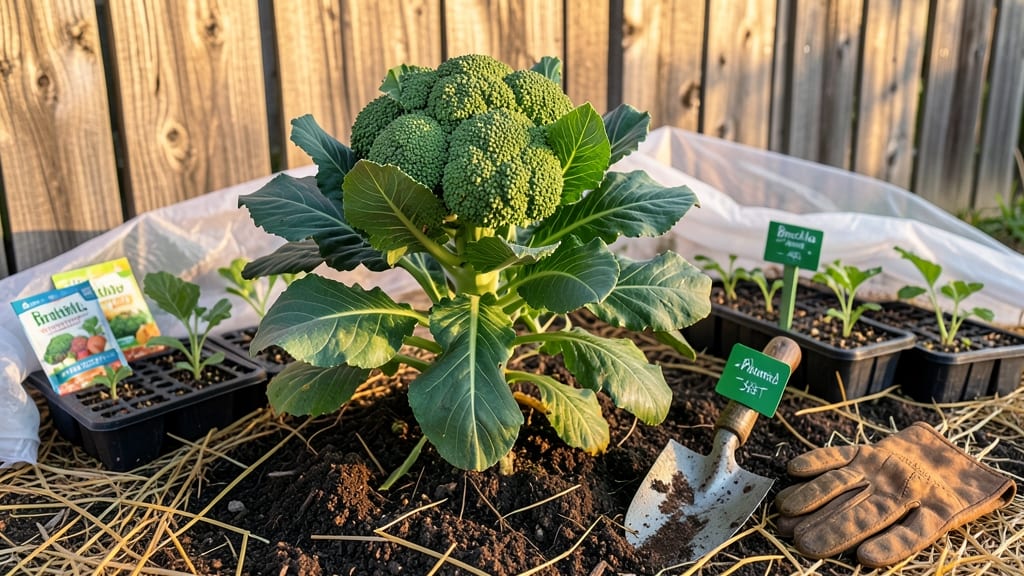
When to plant fall crops in Zone 8 isn’t just about avoiding frost—it’s about giving your 🍂 harvests the perfect head start before winter sets in. With Zone 8’s mild climate, you’ve got a second chance to grow fresh veggies, but planting too early or too late can mean the difference between a bountiful table and wasted effort.
Most gardeners in Zone 8 miss out because they focus too much on spring planting. The truth? Late summer and early fall are your golden windows for cool-season crops like kale, carrots, and broccoli.
If you time it right, you’ll still be harvesting well into December—just when winter cravings kick in.
I’ve tested the exact weeks before frost that work best in Zone 8, and the secret isn’t just about dates—it’s about understanding how quickly each crop matures.
Some, like radishes, can be planted just 6 weeks before your first frost, while others, like Brussels sprouts, need a full 8-10 weeks to sweeten up.
Ready to extend your harvest season? I’ll break down the precise planting schedule, which crops to prioritize, and how to protect your plants from early cold snaps—so you can enjoy homegrown goodness long after your neighbors’ gardens have gone dormant.
Exact weeks before frost to plant fall crops in Zone 8
Zone 8 gardeners enjoy a longer growing season than most, but fall planting timing still requires precision. The average first frost in Zone 8 falls between mid-November and December 15, depending on your subregion (8a vs. 8b).
To ensure your crops mature before cold sets in, aim to plant 6-8 weeks before frost—typically between late August and early October.
For Zone 8a (cooler microclimates like higher elevations), start planting leafy greens and root crops by mid-August. In Zone 8b (warmer areas like Southern California), you can push planting until early October for most varieties.
Always check your local frost dates using tools like the National Weather Service or Almanac’s Frost Calculator.
Here’s the golden rule: Fast-maturing crops (like radishes or lettuce) can handle last-minute plantings even 3-4 weeks before frost, while slow growers (such as broccoli or Brussels sprouts) need 8-10 weeks of warm soil and sunlight. Adjust based on your crop’s days to maturity.
Soil temperature is just as critical as air temperature. Most cool-season crops thrive when soil stays above 45°F (7°C). Use a soil thermometer to confirm—if temps drop below 50°F (10°C), germination slows dramatically. In Zone 8, soil temps typically drop below this threshold by late October, so plan accordingly.
Another key factor is daylight hours. As days shorten in fall, plants grow slower. To compensate, choose cold-hardy varieties or use row covers to extend the season. For example, kale and spinach actually sweeten in light frost, making them ideal for late plantings.
Don’t forget about succession planting. Instead of planting everything at once, stagger small batches every 2 weeks to ensure a continuous harvest. This works especially well for baby greens, carrots, and peas, which mature quickly.
Microclimates within Zone 8 can shift planting windows by 2-3 weeks. South-facing beds stay warmer longer, while north-facing or shaded areas may need earlier plantings. Observe your garden’s sun exposure patterns—areas near fences or buildings often retain heat longer.
Hardening off seedlings is non-negotiable in fall. If you’re transplanting starts from nurseries, gradually expose them to outdoor conditions over 7-10 days before the final planting date. Sudden temperature drops can shock plants, stunting growth or causing bolting.
For Zone 8 gardeners, the last planting window for most crops is mid-October. After that, only extremely cold-hardy crops (like garlic or overwintering onions) should be planted. Use this summary table to align your planting schedule with frost dates and crop needs.
| Crop Type | Weeks Before Frost | Zone 8a Planting Window | Zone 8b Planting Window | Notes |
|---|---|---|---|---|
| Leafy Greens (Lettuce, Spinach, Kale) | 6-8 | Late August - Early September | Early September - Mid-October | Some varieties improve with light frost |
| Root Vegetables (Carrots, Beets, Radishes) | 8-10 | Mid-August - Late September | Late August - Early October | Radishes mature fastest; plant in batches |
| Brassicas (Broccoli, Cauliflower, Cabbage) | 8-10 | Early August - Late September | Mid-August - Early October | Needs consistent moisture; avoid bolting |
| Peas & Beans (Green Peas, Fava Beans) | 6-8 | Late August - Early October | Early September - Mid-October | Peas tolerate light frost; beans need warmth |
| Last-Minute Crops (Arugula, Spinach, Cilantro) | 3-4 | Mid-September - Early October | Late September - Mid-October | Fastest growers; harvest before hard frost |
Pro tip: Mark your calendar with these Zone 8 milestones:
- August 15: Start planting slow growers (broccoli, carrots).
- September 1: Add fast-maturing crops (radishes, lettuce).
- October 1: Focus on cold-hardy greens (kale, spinach) and su
Best fall crops for Zone 8 by planting timeline (fastest to slowest maturing)
Zone 8 gardeners have a golden opportunity with fall planting—just pick the right crops and time them perfectly. Fast-maturing varieties like radishes and spinach can be sown as late as October, while slower growers like broccoli and carrots need an earlier start.
The key? Match your crop’s days to maturity with your local frost date.
I’ve ranked these top fall crops from quickest to slowest harvest, so you can plan your garden like a pro. For example, bok choy and turnips mature in just 30-40 days, while kale and collards take 60-70 days.
This timeline ensures you’ll have fresh harvests all the way until winter’s first chill.
🌱 Pro Tip: Use succession planting for fast growers like radishes—sow every 2 weeks until mid-October for a continuous harvest.
📅 Fall Planting Timeline for Zone 8
- 🥕 Radishes (25-30 days) | Plant August-October | Frost-tolerant; harvest before bolting.
- 🥬 Spinach (30-40 days) | Plant August-September | Prefers cooler temps; avoid summer heat.
- 🌱 Bok Choy (30-40 days) | Plant August-October | Thrives in 50-65°F soil temps.
- 🥔 Turnips (40-50 days) | Plant August-September | Roots and greens both edible.
- 🥬 Arugula (30-45 days) | Plant August-October | Peppery flavor; harvest young leaves.
- 🥦 Broccoli (60-70 days) | Plant July-August | Needs 60+ days before frost; protect with row covers.
- 🥕 Carrots (70-80 days) | Plant July-August | Thin seedlings to 2-3 inches apart.
- 🍃 Kale (60-70 days) | Plant July-August | Sweeter after frost; harvest outer leaves.
- 🌿 Collards (50-60 days) | Plant August-September | Cold-hardy; harvest before bolting.
- 🥬 Lettuce (30-60 days) | Plant August-October | Choose winter varieties for cold tolerance.
⚠️ Last-Minute Crops: For October plantings, stick to fast growers like radishes, spinach, or arugula—these can tolerate light frosts and still deliver harvests.
Don’t overlook herbs like cilantro and parsley, which also thrive in fall. They mature in 40-50 days and add flavor to your winter meals. For root crops, like beets and parsnips, start them 8-10 weeks before frost—they’ll sweeten up in the cool weather.
If you’re new to fall gardening, begin with easy-to-grow crops like lettuce or bok choy. These forgiving plants are perfect for beginners and will give you confidence for next year’s advanced planting schedules.
Just remember: soil prep is key—amend your beds with compost in July to give roots a nutrient boost.
For extended harvests, pair fast and slow growers in the same bed. For example, plant radishes (fast) alongside carrots (slow). The radishes will be ready in 4 weeks, while the carrots mature over 3 months.
This space-saving trick maximizes your garden’s potential and keeps your kitchen stocked all season long.