
Plants
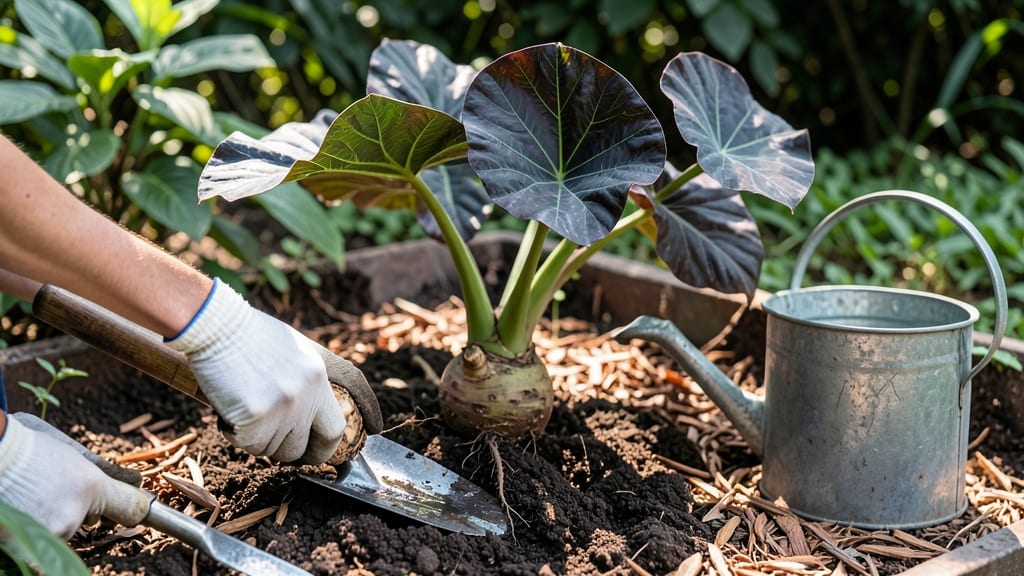
Optimal planting dates for elephant ear bulbs in Georgia’s USDA Zones 7b-8a
Georgia’s USDA Zones 7b-8a offer the perfect balance for growing elephant ear bulbs (Colocasia), but timing is critical. These tropical beauties need warm soil temperatures and frost-free conditions to thrive. Planting too early risks cold damage, while waiting too long may stunt growth before summer’s heat sets in.
Most Georgia gardeners aim to plant elephant ear bulbs after the last frost date, which typically falls around mid-March in Zone 7b and early March in Zone 8a. However, soil temperature is just as important—wait until the ground reaches at least 60°F for best results.
For maximum foliage growth, focus on planting in March or early April. This gives your elephant ears enough time to establish roots before Georgia’s summer heat peaks.
In Zone 8a, you might even get away with planting as early as late February if your microclimate warms up faster.
If you’re unsure about your exact last frost date, use the National Weather Service’s frost calculator or check local gardening forums. Elephant ears are sensitive to cold, so don’t rush—waiting a few extra weeks for ideal conditions is worth the vibrant foliage you’ll see later in the season.
| Planting Window | USDA Zone 7b | USDA Zone 8a | Soil Temp | Key Consideration |
|---|---|---|---|---|
| Early Planting | Late February | Late February | 55°F+ | Risk of frost damage |
| Ideal Window | Mid-March | Early March | 60°F+ | Best for root growth |
| Late Planting | April | April | 65°F+ | Slower establishment |
| Container Planting | May | May | 70°F+ | Extend season with pots |
In Zone 7b, where frosts linger longer, I recommend waiting until mid-March to plant. This gives your elephant ears enough time to establish before Georgia’s summer heat arrives.
For Zone 8a, you can plant as early as late February if your soil warms quickly, but always check for nighttime frost warnings.
Pro tip: Use a soil thermometer to confirm temperatures. Elephant ears won’t thrive if planted in cold, damp soil. Aim for 60°F or warmer at a depth of 4 inches—this is when roots will actively grow.
If you’re in a cooler microclimate within Zone 7b, consider starting with container-grown plants instead of bulbs. This gives you more control over soil temperature and lets you move pots indoors if frost threatens.
Once planted, mulch heavily with straw or shredded leaves to retain soil warmth and moisture. This is especially important in Zone 7b, where nights can still dip below freezing even after the last frost date.
Remember, elephant ears are not cold-hardy. Even a light frost can damage their large, tender leaves. By planting at the right time, you’ll give your plants the best chance to burst into lush, tropical foliage all summer long.
How to extend the growing season for elephant ear bulbs in Georgia’s climate
Georgia’s unpredictable spring frosts can devastate your elephant ear bulbs (Colocasia) if planted too early. Even in USDA Zones 7b-8a, temperatures can dip below 50°F into May, so extending the growing season is key to keeping those dramatic tropical leaves thriving all summer.
One of my favorite tricks is using black plastic mulch or straw mulch—it warms the soil faster in spring and insulates roots when nights cool down. I’ve seen this method add 2-3 weeks of safe growth before the first frost risk appears.
Just lay it down after planting and keep it 2-3 inches thick around the base.
For gardeners in Zone 7b (like Atlanta), where frosts linger longer, consider container growing. Move potted elephant ears to a sunny patio or garage when nighttime temps drop below 55°F. I’ve kept mine blooming until mid-November this way—just bring them indoors before the first hard frost.
If you’re planting in late April or May, protect young shoots with frost cloth on nights when temps drop below 55°F. I’ve used floating row covers with great success—they let sunlight through while trapping warmth. Remove them by 10 AM to avoid overheating.
For longer-season varieties like 'Black Stem' or 'Pink Frost', combine mulching with drip irrigation to keep soil temps stable. Consistent moisture prevents stress that makes plants more vulnerable to cold snaps. I water mine every 5-7 days in summer and reduce to bi-weekly in fall.
Pro tip: Mark your last frost date (typically March 15 in most of Georgia) on your calendar and wait 2 weeks before planting. This buffer gives soil time to warm to 60°F—the sweet spot for tuber growth. Patience here means bigger, healthier plants by summer.