
Plants
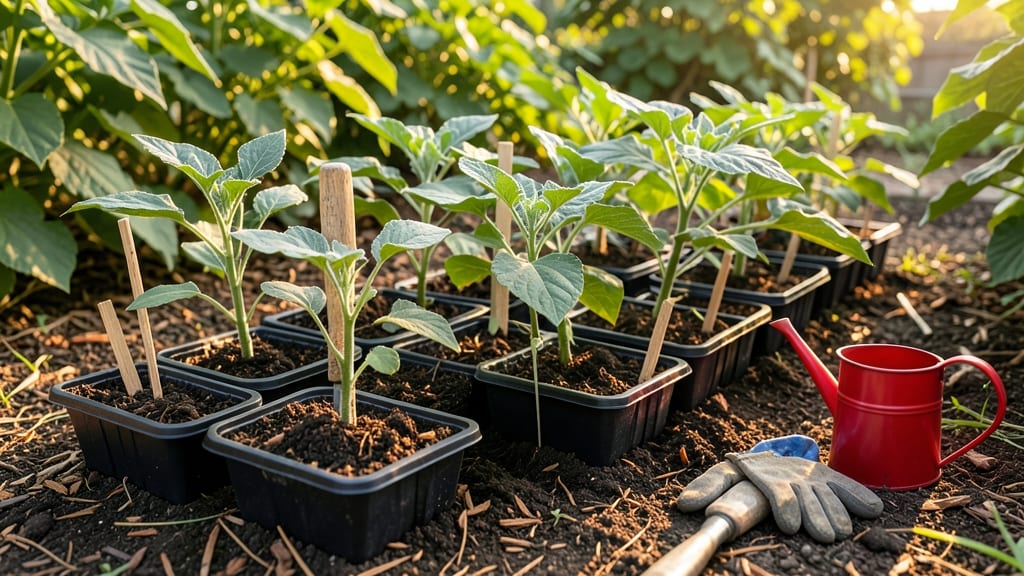
Timing your eggplant 🍆 planting in California isn’t just about the calendar—it’s about dodging coastal fog, desert heat, and the rare inland frost that could turn your garden dreams into a sad, wilted mess.
With USDA zones 9b-10a across the state, your planting window can stretch from February to September—but that’s where things get tricky. Coastal gardeners in San Diego might sow as early as February, while desert growers in Palm Springs should wait until April to avoid scorching young plants.
Here’s the game-changer: soil temperature matters more than dates. Eggplants crave 70°F+ soil, and waiting for that warmth (not just the calendar) ensures strong roots and bountiful harvests from May to October.
Let’s break down the exact planting windows for your region—because in California, one wrong move can mean the difference between a thriving garden and a sad, shriveled 🍆.
California eggplant planting zones: frost-free dates by region
California’s microclimates create a puzzle for eggplant lovers—what works in San Diego’s desert fails in San Francisco’s fog. The key? Planting based on frost-free days and soil temperature, not just calendar months.
Most of California avoids frost, but inland valleys (like Sacramento) can see light freezes, while coastal areas stay frost-free year-round.
Eggplants thrive when soil stays above 70°F—coastal gardeners can plant as early as February, while desert growers wait until April. Below, we break down USDA zones 9b-10a and your local planting windows to avoid transplant shock and maximize harvests.
Visual Reference: Use this heat-zone map to match your location to planting dates. For example, Los Angeles (Zone 10a) can grow eggplants year-round, while Sacramento (Zone 9a) should start in March after soil warms.
| Region | USDA Zone | Frost-Free Days | Best Planting Window | Harvest Window |
|---|---|---|---|---|
| Coastal (SF, LA) | 9b-10a | 300+ | Feb–Sep (year-round possible) | May–Oct |
| Central Valley (Sacramento) | 9a-10a | 250–300 | Mar–Aug (after last frost) | Jun–Sep |
| Desert (Palm Springs) | 10a | 300+ | Apr–Jul (extreme heat) | Jun–Aug |
| Northern CA (Redding) | 8a-9a | 180–220 | May–Jul (short season) | Jul–Sep |
If you’re in Zone 10a (Southern CA), you can plant eggplants year-round, but focus on spring (Feb–Apr) and fall (Sep–Oct) to avoid summer’s 100°F+ heat, which stresses plants. Inland areas like Fresno should wait until soil hits 70°F—usually mid-March—to prevent stunted growth.
For Northern California (e.g., Redding), treat eggplants like short-season crops. Start seeds indoors in February and transplant in May after the last frost. Use black plastic mulch to warm soil faster—this can shave off 2–3 weeks of waiting time.
Pro tip: Check your local frost dates via the USDA Plant Hardiness Zone Map or your cooperative extension office. Even in frost-free zones, cool snaps below 50°F can stunt growth, so plan accordingly.
Direct-sowing is easiest for California’s mild winters, but if you’re in a cooler microclimate (e.g., Mount Shasta), start seeds indoors 8–10 weeks before your last frost date. Use grow lights to simulate long days—eggplants need 12+ hours of light to thrive.
Remember: Eggplants are heat-loving annuals, but they hate transplant shock. Harden off seedlings for 7–10 days before moving them outdoors, especially in windy coastal areas like Santa Barbara. Use row covers for the first week to protect young plants.
🌱
Best eggplant varieties for California’s heat and soil types
California’s microclimates demand eggplant varieties that thrive in heat, drought, and diverse soil types. Whether you’re in coastal fog zones or desert heat, the right cultivar ensures a bountiful harvest. Let’s explore the top-performing eggplants for your region.
For coastal areas like San Francisco or Santa Barbara, opt for varieties like Black Beauty—a classic with glossy skin and reliable yields. Its moderate heat tolerance makes it ideal for milder climates where temperatures rarely exceed 85°F.
In contrast, Southern California’s desert regions (e.g., Palm Springs) thrive with Ichiban, a Japanese heirloom known for its disease resistance and ability to handle 90°F+ temperatures.
🌱 Top Eggplant Varieties for California
Black Beauty
✅ Best for: Coastal fog zones
✅ Heat tolerance: Moderate (up to 85°F)
❌ Avoid: Desert heatwaves
Ichiban
✅ Best for: Desert regions (90°F+)
✅ Disease resistance: High
❌ Avoid: Heavy clay soils
Rosa Bianca
✅ Best for: Central Valley (adaptable)
✅ Soil tolerance: Wide range
❌ Avoid: Waterlogged soil
Fairy Tale
✅ Best for: Containers (urban gardens)
✅ Size: Compact (1-2 ft)
❌ Avoid: Heavy pruning
If you’re gardening in Central Valley areas like Fresno or Bakersfield, Rosa Bianca is a versatile choice. Its white, elongated fruit thrives in loamy soils and handles the region’s hot days and cool nights.
For urban gardeners with limited space, Fairy Tale or Patio Baby are perfect—both are dwarf varieties that grow well in containers and tolerate partial shade.
For disease-prone soils or areas with high humidity (e.g., Sacramento Valley), look for varieties labeled "disease-resistant". Ichiban and Rosa Bianca both excel here, thanks to their genetic resistance to fungal issues.
Always check seed packets for local recommendations—some nurseries even offer California-specific blends tailored to your county’s climate.
Pro tip: Soil prep matters just as much as variety selection. Amend clay-heavy soils (common in the Central Valley) with compost or sand to improve drainage. In sandy desert soils, mix in organic matter to retain moisture.
Eggplants are heavy feeders, so a balanced fertilizer (like 10-10-10) at planting will give them the boost they need to thrive in California’s diverse growing conditions.
With the right variety and a little localized care, your eggplant plants will reward you with glossy, flavorful fruit all season long—whether you’re in cool coastal zones or scorching desert gardens. Happy planting! 🌱