
Plants
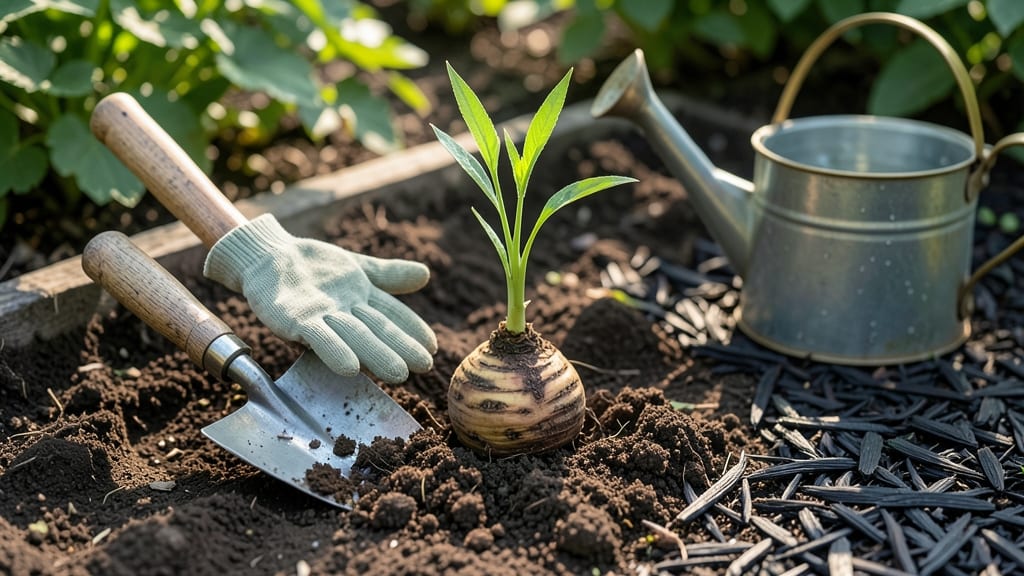
When to plant dahlias in Southern California can mean the difference between a thriving, vibrant garden and a disappointing failure. The coastal chill of San Diego and the inland heat of Riverside create wildly different planting windows, and getting it wrong means your tubers might rot or bolt too early.
If you're wondering when to plant dahlias in your specific microclimate, the answer depends on soil temperature and frost risk—not just the calendar. Coastal areas can wait until late March or April, while inland zones might be ready as early as February.
The key is waiting until soil warms to at least 60°F, ensuring your 🌸 dahlias thrive from day one.
Most gardeners plant dahlias from tubers, which need 4-6 inches of depth and 12-18 inches of space to grow into their full glory.
But whether you're starting from seeds or tubers, the right timing is everything—especially in a region where coastal fog can linger long after inland areas have warmed up.
Once planted, your dahlias will reward you with July-October blooms, but only if you nail the timing and care. Stick around to learn how to adjust for your specific zone and keep those flowers coming all season long.
Southern California dahlia planting calendar: coastal vs inland timelines
Southern California’s microclimates create a planting puzzle for dahlias. Coastal areas like San Diego and Santa Barbara experience cooler temperatures and morning fog, while inland zones like Riverside and Palm Springs bake under hotter sun.
Timing your dahlias wrong can mean stunted growth or rotten tubers—so let’s break it down by zone.
For coastal gardeners, the last frost date typically falls around January 15, but soil warmth is the real trigger. Dahlias need 60°F+ soil to thrive, which usually happens by late March. Inland areas, however, can plant 2-4 weeks earlier thanks to warmer soils and less fog interference.
Here’s your month-by-month planting guide, tailored to Southern California’s two distinct zones:
| Month | Coastal (San Diego, LA) | Inland (Riverside, Palm Springs) | Key Condition |
|---|---|---|---|
| February | Prep soil; wait for 60°F+ | Start tubers indoors | Soil temp test |
| March | Plant after March 15 | Direct sow outdoors | Fog-free mornings |
| April | Ideal peak planting | Full growth phase | 6+ hours sun/day |
| May | Last chance; avoid heat spikes | Established plants | Mulch to retain moisture |
| June | Too late; risk bolting | Focus on care | Water deeply |
🌸 Pro Tip: Use a soil thermometer—dahlias won’t thrive below 60°F.
If you’re in transition zones like Orange County or Ventura, err on the side of coastal timing—fog can delay soil warming. For desert-adjacent areas, consider shade cloth in early summer to protect tender foliage from intense sun.
Once planted, coastal dahlias may need extra mulch to shield roots from chilly nights, while inland varieties benefit from afternoon shade during peak heat (June-August). Both zones should avoid nighttime watering to prevent fungal diseases like powdery mildew.
For container gardening, coastal gardeners can plant 1-2 weeks later since pots warm up slower than ground soil. Inland containers, however, may need earlier planting to prevent root stress from rapid temperature swings.
Remember: Dahlias are tuberous, meaning they store energy underground. Planting too early in cooler coastal soils can cause rot, while inland heat may force premature bolting. Balance is key—aim for warm soil and stable temperatures above 55°F.
After planting, stake your dahlias early—especially tall varieties like ‘Karma Choc’ or ‘Café au Lait’. Coastal winds and inland heat can both weaken stems, so support them within 2-3 weeks of sprouting.
🌱 Now that you’ve got your timing locked in, your next step is confirming your soil and microclimate are truly ready. Let’s dive into the practical signs that your garden is dahlia-approved—because the calendar only tells part of the story.
Signs your soil and climate are ready for dahlias (beyond the calendar)
Don’t rely solely on the calendar—your SoCal microclimate and soil conditions often tell a different story. Coastal areas like Malibu or San Diego may still have chilly mornings in April, while inland spots like Riverside can hit 80°F+ by March. Here’s how to read your garden’s signals.
First, test your soil temperature—dahlias need 60°F+ soil to thrive. Use a soil thermometer (or your elbow: if it feels warm like a baby’s bathwater, it’s ready). Coastal gardeners should wait until late April in foggy zones, while inland areas can plant as early as March.
Pay attention to local weather forecasts for heatwaves or Santa Ana winds, which can stress newly planted tubers. Inland gardeners should water deeply before planting to compensate for dry soil, while coastal gardeners might need to water more frequently due to fog-related moisture loss.
Finally, observe your neighbor’s dahlias—if their leaves are unfurling by early April, your soil is likely ready. Pro tip: Black plastic mulch can warm soil 5-10°F faster in cooler microclimates, giving you an earlier planting window.
Remember, dahlias are tender perennials—they’ll bolt or rot if planted too early. When in doubt, wait one more week for coastal areas or add shade cloth for inland heat spikes. Your blooms will thank you!