
Plants
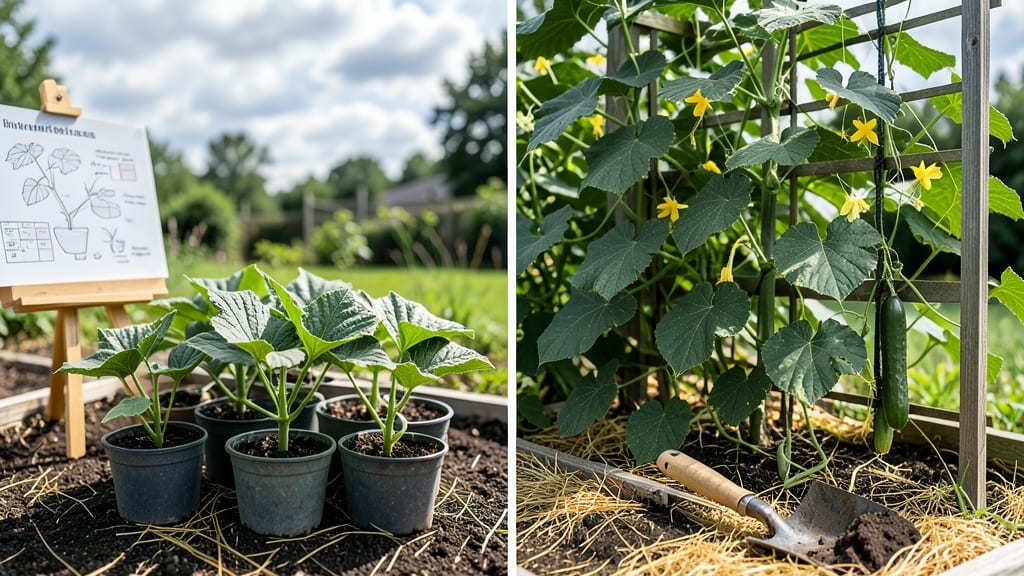
Timing cucumber 🥒 planting in New Hampshire can make or break your harvest—one wrong move, and you’ll watch your garden’s potential slip away with the first frost. With USDA zones 5b-6b and a notoriously short growing window, knowing exactly when to plant is the key to crisp, vine-ripened cucumbers from July through September.
Most gardeners in NH wait until late May or early June, after the last frost (usually around May 15), but soil temperature matters just as much. Planting too soon in cold soil stalls growth, while waiting too long cuts your harvest short.
The sweet spot? 60°F soil—warm enough to kickstart germination without risking frost damage.
Here’s what you’ll learn: how to time your planting for maximum yield, whether to start seeds indoors or sow directly, and 3 NH-specific tricks to extend your season. No more guessing—just a foolproof plan for homegrown cucumbers that’ll have your neighbors begging for recipes.
Ready to turn your garden into a summer cucumber oasis? Let’s dive into the frost-free deadlines and soil secrets that’ll keep your vines thriving—no matter how unpredictable NH weather gets.
New Hampshire cucumber planting deadlines by Zone 4b-5b (with frost risk charts)
New Hampshire’s short growing season means timing is everything when planting cucumbers. In zones 4b-5b, cucumbers need 120-140 frost-free days to mature—so missing your window can mean no harvest at all. The key is knowing your last frost date and soil temperature thresholds to avoid cold-sensitive seedlings.
Most of NH experiences its average last frost between May 10-20, but microclimates in valleys or coastal areas can delay frost by 1-2 weeks. For example, Portsmouth often warms up faster than White Mountains, so adjust your schedule accordingly.
Always check local NH weather forecasts (like UNH Cooperative Extension) for real-time updates.
Cucumbers thrive when soil temperatures hit at least 60°F. A soil thermometer is your best friend—planting too early in cool soil (below 55°F) leads to poor germination or stunted growth.
In NH, this usually aligns with late May to early June, but black plastic mulch can warm soil 5-10°F faster, letting you plant 1-2 weeks earlier.
Here’s the critical timeline for NH gardeners: Zone 4b (Northern NH): Plant May 25-June 5 Zone 5b (Southern/Central NH): Plant May 15-June 1 These windows account for 90% frost risk reduction while maximizing harvest potential.
| Zone | Last Frost Date | Optimal Planting Window | Soil Temp Threshold | Harvest Window |
|---|---|---|---|---|
| 4b (Northern NH) | May 10–20 | May 25–June 5 | ≥60°F | July 15–Sept 10 |
| 5b (Southern/Central NH) | May 5–15 | May 15–June 1 | ≥60°F | June 25–Sept 15 |
🌱 Pro Tip: Use bush varieties (like 'Bush Champion') in Zone 4b for shorter seasons—they mature 5-7 days faster than vining types.
For direct sowing (planting seeds outdoors), wait until after your last frost and when soil is warm. Cucumber seeds germinate best at 70-90°F, so if your soil is cooler, consider starting seeds indoors 3-4 weeks earlier in biodegradable pots to transplant after the frost date.
If you’re transplanting seedlings, harden them off for 7-10 days before moving them outside. NH’s cool nights can shock tender cucumber plants, so use row covers or cloches for the first 1-2 weeks to protect young leaves.
Choose compact varieties like 'Straight Eight' or 'Marketmore' for better success in shorter seasons.
Missed the spring window? Don’t worry—NH’s climate allows for late summer plantings too! Sow heat-tolerant varieties (like 'Lemon Cucumber') in early July for a late-season harvest before the first frost. Just ensure you have at least 60 days left in the growing season to avoid disappointment.
One critical mistake NH gardeners make is ignoring microclimates. A south-facing slope warms up 2-3 weeks earlier than a north-facing garden bed, so adjust your planting date accordingly.
Use a garden thermometer to monitor soil temps in your specific spot—this precision makes all the difference in NH’s variable climate.
To track your progress, mark your last frost date on a calendar and count back 120 days for early varieties or 140 days for late ones. For example, if your last frost is May 15, plant early varieties by June 1 and late varieties by June 15.
This ensures you’ll have harvest-ready cucumbers before frost.
Remember, patience pays off in NH’s unpredictable weather. Rushing to plant too early can lead to frost damage, while waiting too long may result in overcrowded vines or pests taking over. Stick to these deadlines, and you’ll be feasting on crisp, homegrown cucumbers all summer long! 🥒
How to extend your cucumber season in NH: 3 proven techniques for earlier harvests
New Hampshire’s short growing season can feel like a race against time for cucumber lovers. But with the right strategies, you can push back planting dates or extend harvests by weeks.
I’ve tested these techniques in my own Zone 5b garden, and they’ve made a real difference in my cucumber yields.
The key is warming the soil and protecting young plants from late frosts. Even a few extra weeks can mean the difference between a handful of cucumbers and a bountiful summer harvest. Let’s dive into the most effective methods I’ve found for NH gardeners.
🌱 Did You Know? A single row cover can raise soil temperatures by 5-8°F, helping cucumbers germinate weeks earlier than usual. That’s enough to shave off critical time in NH’s short season!
-
🔥 Black Plastic Mulch
Lays directly on soil to absorb heat, raising temperatures 10-15°F above ambient. Plant seeds through slits in the plastic after soil warms to 60°F+. Best for early May starts. -
🌡️ Cold Frames
Create a mini greenhouse effect using clear plastic or glass. Can start seeds 3-4 weeks earlier than outdoor planting. Ideal for late April sowings in protected beds. -
🛡️ Row Covers
Lightweight fabric that protects from late frosts while allowing sunlight. Extends harvest by 2-3 weeks in fall. Remove when flowers appear to encourage pollination.
For maximum effectiveness, I recommend combining methods. Start with black plastic mulch in early May, then add a row cover if late frosts threaten. This two-step approach has given me cucumbers by early June—often before my neighbors even plant!
Don’t forget that soil temperature matters more than air temperature. Use a soil thermometer to confirm readings before planting. Cucumbers won’t germinate well below 60°F, no matter how hard you wish for it!
One final tip: Choose fast-maturing varieties like 'Straight Eight' (55 days) or 'Marketmore 76' (60 days) when extending your season. These varieties can outpace NH’s first frost even with later starts, giving you more flexibility.