
Plants
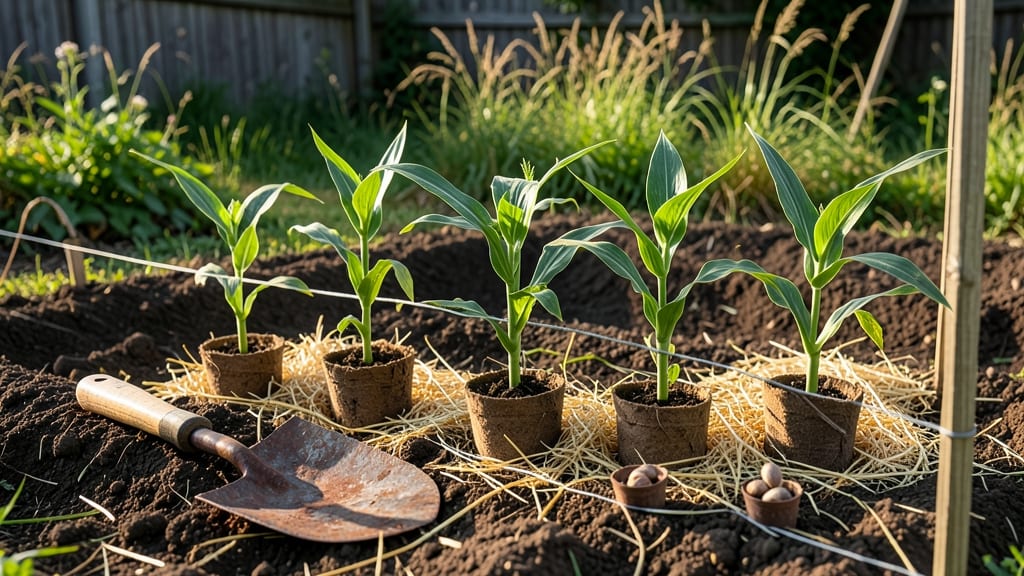
Timing your 🌽 corn planting in New Mexico right isn’t just about checking a calendar—it’s about outsmarting the state’s dramatic elevation swings and unpredictable desert heat.
Plant too early, and a late frost will nip your seedlings in the bud; wait too long, and the scorching sun might send your corn bolting before it’s ready to harvest.
I’ve grown corn across New Mexico’s 6-8 USDA zones, from the high-altitude mesas of Santa Fe to the low-desert valleys near Las Cruces, and the difference in planting windows can be as much as 4 weeks.
What works in Albuquerque’s 7a climate won’t cut it in Farmington’s cooler 6b—or in the extreme heat of the Rio Grande Valley.
In this guide, I’ll break down the exact mid-April to early June windows that work for your specific elevation, plus the soil temperature tricks that’ll help you avoid common mistakes.
Whether you’re a first-time gardener or a veteran farmer, these insights will help you grow corn that’s taller, sweeter, and more abundant than ever before.
Ready to turn your New Mexico garden into a cornucopia? Let’s dive into the science—and the shortcuts—that’ll give you the edge this growing season.
Optimal corn planting dates by New Mexico elevation zones
New Mexico’s three distinct elevation zones create wildly different planting windows for corn. High-altitude areas like Santa Fe (7,200 ft) need to plant 2-3 weeks later than low-desert regions like Las Cruces (3,800 ft).
This dramatic shift means your last frost dates can vary by up to 6 weeks, making timing everything for a successful harvest.
The USDA Hardiness Zones 6-8 across the state mask the real challenge: microclimates within 50 miles can have 10°F soil temperature differences. Corn seeds won’t germinate below 50°F soil, and seedlings won’t survive below 32°F.
That’s why I’ve broken down planting windows by three key elevation bands, with city-specific averages.
🌱 PRO TIP: Use your finger as a soil thermometer—press it into the soil. If it feels cooler than your wrist, wait 1-2 weeks before planting.
| Elevation Zone | Key Cities | Last Frost Avg | Planting Window | Soil Temp Goal | Days to Maturity |
|---|---|---|---|---|---|
| High Altitude (6,500+ ft) | Santa Fe, Taos, Los Alamos | April 15-May 1 | May 15-June 1 | 55-60°F (13-16°C) | 90-110 days |
| Mid Altitude (4,000-6,500 ft) | Albuquerque, Rio Rancho, Socorro | March 25-April 10 | April 15-May 15 | 50-55°F (10-13°C) | 80-100 days |
| Low Desert (<4,000 ft) | Las Cruces, Deming, Truth or Consequences | March 1-15 | March 20-April 30 | 45-50°F (7-10°C) | 70-90 days |
🌽 Note: Adjust for 2-3 weeks earlier in urban heat islands (e.g., Albuquerque’s West Side).
For high-altitude gardeners, I recommend fast-maturing varieties like ‘Early Sunglow’ (75 days) or ‘Golden Bantam’ (80 days) to beat the shorter growing season. In contrast, low-desert growers can afford longer-season varieties like ‘Black Aztec’ (110 days) or ‘Pintado’ (95 days) thanks to longer frost-free periods.
One mistake I see often is planting too early in mid-altitude zones like Albuquerque. The soil may feel warm, but cold nights can stall germination.
Always check 7-day forecasts for consistent 60°F+ soil temps before planting. For extra safety, use black plastic mulch to warm the soil 5-10°F faster.
In Las Cruces and southern NM, you can even plant a fall crop if you start seeds indoors by June 15 and transplant by July 1.
The cooling monsoon rains create ideal conditions for late-summer germination. Just be ready to harvest by October 15 before the first frost.
🌡️ CRITICAL: If you’re in transition zones (5,000-6,000 ft), like Grants or Silver City, err on the later side. A single late frost can wipe out seedlings, and corn won’t recover like tomatoes or peppers
How soil temperature and microclimates affect corn germination in New Mexico
New Mexico’s soil temperature swings can make or break your corn harvest. In Las Cruces, soil warms to 60°F (15°C) by early March, while Santa Fe’s high-altitude soils linger near 50°F (10°C) until late April.
This 10°F difference means a 4-week planting delay for high-altitude gardeners. Corn seeds need consistent warmth to germinate—below 55°F (13°C), they rot instead of sprout.
Microclimates add another layer of complexity. Urban heat islands in Albuquerque can push soil temps 5°F warmer than rural areas just 10 miles away. Meanwhile, river valleys like the Rio Grande hold moisture longer, creating cooler pockets where corn thrives 2 weeks earlier than nearby mesas.
Even your garden’s aspect matters—south-facing slopes warm faster than north-facing plots.
| Location | Avg Soil Temp at Planting | Planting Window | Microclimate Tips |
|---|---|---|---|
| Las Cruces (<4,000 ft) | 60°F (15°C) | Early March | Use black plastic mulch to warm soil faster |
| Albuquerque (5,000 ft) | 55°F (13°C) | Mid-April | Plant near buildings to capture heat |
| Santa Fe (7,000 ft) | 50°F (10°C) | Late April | Choose cold-tolerant varieties like 'Black Aztec' |
| Farmington (6,500 ft) | 52°F (11°C) | Early May | Plant in low-lying areas to avoid frost pockets |
To navigate these challenges, invest in a soil thermometer—it’s your best tool for precision planting. Check temps at 1-inch depth (where seeds will be) for 3 consecutive days before planting. If temps dip below 55°F (13°C) at night, delay planting or use row covers to create a microclimate.
For late starts, opt for fast-maturing varieties like 'Silver Queen' (60 days) or 'Peaches and Cream' (75 days) to compensate for shorter growing seasons.
Water management is equally critical. In low-desert areas, irrigation must ramp up as soon as seeds sprout to prevent soil from drying out. Use drip irrigation to deliver moisture directly to roots without wetting foliage, which reduces fungal risks.
In high-altitude zones, morning watering prevents nighttime freezing. Pro tip: Mulch heavily with straw to maintain even soil temps and moisture levels throughout the growing season.
Don’t let a late frost catch you off guard. Monitor the National Weather Service’s frost predictions and have row covers or a cloche ready for seedlings. If frost threatens after germination, cover plants immediately—corn can tolerate 28°F (-2°C) for short periods but not prolonged cold.
For emergency planting after May 15, choose short-season varieties and accept smaller yields rather than risking a failed crop.
Remember: New Mexico’s microclimates are your ally if you understand them. A 5°F difference might seem small, but it translates to weeks of growth for your corn. With the right tools and timing, you’ll turn these challenges into a bountiful harvest—no matter your elevation. 🌽