
Plants
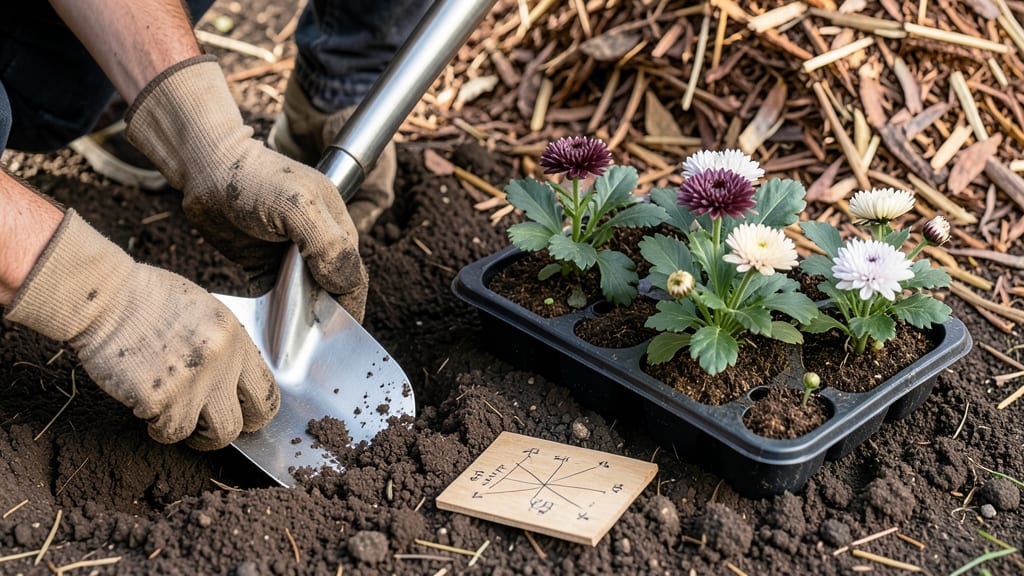
Timing your fall chrysanthemum planting correctly is the secret to those show-stopping blooms that brighten your garden right up until winter. If you plant too early, your 🌼 might fade before the cold sets in, but wait too long, and frost will cut their growth short.
The magic window—6-8 weeks before your first frost—gives these hardy perennials just enough time to root and flourish.
For most gardeners in USDA Zone 6a, that means getting your chrysanthemums in the ground between early September and mid-October. But here's the catch: your exact timing depends on your local climate.
Coastal areas with milder winters might have a later window, while inland regions could need to plant sooner to beat the chill. Let's break down how to pinpoint the perfect moment for your location.
Once you've nailed the timing, the real work begins with soil prep and ongoing care. We'll cover everything from amending your soil for better root development to watering schedules that keep your plants thriving.
With the right approach, your chrysanthemums won't just survive the fall—they'll dominate it with vibrant blooms that last until the first hard frost.
Ready to transform your garden into a fall color palette? I'll walk you through the complete process—from calculating your frost date to extending those blooms well into winter. Let's get those chrysanthemums planted just right so you can enjoy their beauty all season long.
How to calculate the perfect fall planting window for chrysanthemums
Planting chrysanthemums in fall isn't just about picking a random weekend—it's about timing their growth to bloom before winter sets in. The 6-8 week rule before your first frost date is your golden ticket.
This window ensures your plants establish roots but don't bolt too early or get nipped by frost before showing off their vibrant blooms.
First, find your local frost dates. Use the USDA Plant Hardiness Zone Map (Zone 3-11) as a starting point, but check your microclimate—valleys freeze faster than hilltops, and coastal areas stay warmer longer. Websites like Almanac.com offer frost date calculators tailored to your ZIP code.
For example, in Zone 6a (like much of the Midwest), your first frost typically hits around October 15th. Count backward 6-8 weeks to land on September 1st-20th as your ideal planting window. This gives your chrysanthemums 6-8 weeks of root growth before winter slows them down.
🌼
| Step | Action | Tools/Resources |
|---|---|---|
| 1 | Determine your USDA Zone | USDA Zone Map |
| 2 | Find your first frost date | Almanac.com or local weather |
| 3 | Count back 6-8 weeks | Calendar or frost calculator |
| 4 | Adjust for microclimate (e.g., valleys, coasts) | Neighbor observations or local gardeners |
| 5 | Plant chrysanthemums in your calculated window | Gloves, trowel, compost |
If you're in a warmer zone (8-11), like Southern California or Florida, your window shifts later—aim for October-November. In colder zones (3-5), such as Minnesota or Maine, plant as early as late August to avoid frost damage.
Always err on the earlier side if you're unsure, as chrysanthemums handle cooler soil better than heatwaves.
Pro tip: Buy potted chrysanthemums from nurseries in early fall—they’re already rooted and ready to transplant. Look for healthy green leaves and buds just starting to form—these plants will bloom faster than seeds or bare-root starts.
Once you've nailed your planting window, prep your soil with compost or aged manure to give roots a nutrient boost. Chrysanthemums thrive in well-draining soil with a slightly acidic pH (6.0-7.0). If your soil is heavy clay, mix in sand or perlite to improve drainage.
After planting, water deeply to settle the soil and encourage root growth. Mulch with straw or shredded leaves to retain moisture and protect roots from temperature swings. This step is critical in Zone 6a and below, where nights can drop below freezing unexpectedly.
✂️
Regional fall planting timelines for chrysanthemums by US hardiness Zone
Planting chrysanthemums in fall depends heavily on your USDA hardiness zone. Each zone has a unique first frost date, so timing varies from August in Zone 3 to November in Zone 11. Use this zone-by-zone guide to pinpoint the perfect window for your region.
For example, gardeners in Zone 5 should plant by mid-September, while those in Zone 9 can wait until early November. Coastal areas often have later frost dates than inland regions, so adjust accordingly.
Here’s a quick breakdown to help you plan:
| Zone | First Frost Date | Planting Window | Adjustments |
|---|---|---|---|
| 3-4 | Mid-September | Late July - Early August | Early frost risk; use row covers |
| 5-6 | Mid-October | Mid-August - Mid-September | Mulch heavily for protection |
| 7-8 | Late November | Late August - Early October | Coastal zones can plant later |
| 9-11 | December - January | September - November | Tropical zones; minimal frost risk |
If you’re unsure of your first frost date, check the USDA Plant Hardiness Zone Map or use local weather resources. For example, Zone 7 gardeners in Atlanta might plant in early September, while those in Seattle (Zone 8) can wait until mid-October.
Always account for microclimates—valleys frost earlier than hills, and urban areas can be 5-10°F warmer than rural zones. Adjust your planting date by 1-2 weeks if needed.
Once you’ve nailed the timing, focus on soil prep and watering schedules to ensure your chrysanthemums thrive through winter. A well-timed planting in the right zone guarantees bold, long-lasting blooms all fall. 🌼