
Plants
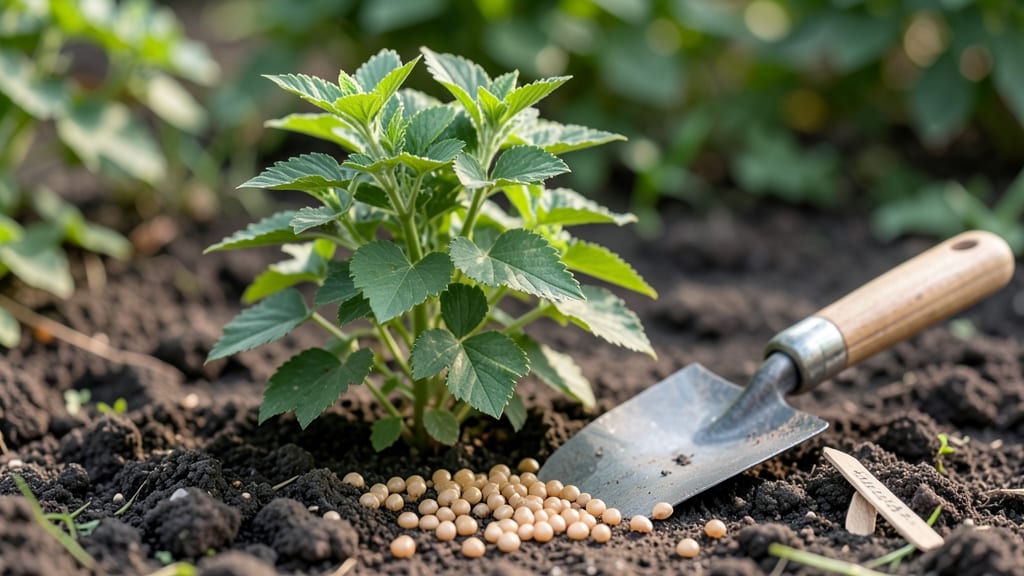
If you're a Michigan gardener looking to grow buckwheat 🌾, when to plant buckwheat in Michigan is the key to success—and getting it wrong could mean wasted effort.
The perfect frost-free window between late May and early July is your golden opportunity to plant this fast-growing crop before summer heat sets in.
Why does this matter? Buckwheat thrives in warm soil but bolts in heat, so planting too early risks frost damage, while waiting too long cuts your harvest short. I’ll show you exactly how to align your planting schedule with Michigan’s 5b-6b climate zones for maximum success.
Beyond just dates, you’ll discover how to prep your soil, choose the right varieties, and even use buckwheat as a cover crop for fall. Whether you’re growing it for grain, greens, or soil health, these tips will help you make the most of your summer garden.
Let’s dive into the details so you can confidently plant buckwheat at the ideal time—no guesswork, just results. Ready to grow like a pro?
Michigan buckwheat planting dates: frost-free window & hardiness zones
Buckwheat thrives in Michigan's USDA Zones 5b-6b, but timing is critical—plant too early and frost will kill tender seedlings, too late and you miss its 60-90 day growth cycle.
The last average frost date in Michigan typically falls around May 15 in the north and May 1 in the south.
For optimal results, aim to plant buckwheat 4-6 weeks after your last frost date. This usually lands in late May to early June for most of Michigan, giving plants enough warmth to mature before first frost in mid-October.
Early varieties can handle cooler temps, while late-season plantings risk stunted growth.
Here’s how Michigan’s microclimates affect planting: Northern regions (like Traverse City) should wait until late May, while southern areas (like Detroit) can start as early as mid-May. Always check your local frost dates using the Michigan State University Extension frost calendar for precision.
Buckwheat’s fast growth rate (30-90 days to harvest) makes it ideal for succession planting. Stagger sowings every 2-3 weeks from late May through early July to extend harvests into September. This strategy also helps prevent pest buildup and maximizes soil health as a cover crop.
If you’re growing buckwheat as a cover crop for fall, plant late July to early August. This gives it time to establish before first frost while suppressing weeds and improving soil structure. Just avoid planting after August 15, as seedlings won’t mature before winter.
Michigan Buckwheat Planting Timeline
| Planting Purpose | Best Planting Window | Soil Temp Requirement | Harvest Window |
|---|---|---|---|
| Grain Production | Late May - Early June | 60°F+ (15°C+) | August - September |
| Succession Planting | Every 2-3 weeks until July 1 | 55°F+ (13°C+) | August - October |
| Cover Crop (Fall) | Late July - Early August | 50°F+ (10°C+) | Frost kills plants (but improves soil) |
| Green Manure | June 15 - July 31 | 55°F+ (13°C+) | Till before seed set (or after frost) |
🌾 Pro Tip: Use a soil thermometer to confirm 60°F+ before planting grain varieties.
For northern Michigan (e.g., Marquette, Houghton), consider cold-hardy varieties like 'Manchuria' or 'Kodiak' to push planting to early May. These varieties tolerate light frost and can handle cooler soils. In southern Michigan (e.g., Ann Arbor, Kalamazoo), you can start as early as mid-April in protected microclimates.
Always monitor weekly frost forecasts from the National Weather Service or Michigan Ag Weather alerts. A late frost in May can devastate early plantings, while a warm June stretch may allow for late-July sowings in cooler years. Flexibility is key—buckwheat’s fast germination (5-7 days) lets you adapt quickly.
If you’re new to buckwheat, start with a small test plot in late May to gauge your microclimate. Note how quickly seeds sprout and when flowers appear—this helps refine future planting schedules. Direct sowing (not transplants) is best, as buckwheat dislikes root disturbance.
For organic gardeners, buckwheat’s nitrogen-fixing roots and pest-repelling properties make it a powerhouse cover crop. Plant it after early harvests (like peas or lettuce) to reclaim nutrients and suppress weeds before your fall garden.
Just avoid planting it where you’ll grow potatoes or tomatoes the following year—buckwheat shares pests with these crops.
Soil preparation & pre-planting tips for buckwheat in Michigan
Buckwheat thrives in well-draining soil with a pH between 6.0 and 7.0. Before planting, test your Michigan garden soil to ensure it meets these requirements.
Most backyard soils in Michigan are naturally acidic, so you may need to amend with lime or compost to balance the pH. Aim for a loamy texture—buckwheat dislikes heavy clay or sandy soils that dry out too quickly.
Start by removing any weeds or debris from your planting area. Buckwheat grows quickly and can outcompete weeds, but a clean bed gives it the best start. Work in 2-3 inches of compost or well-rotted manure to enrich the soil with organic matter.
This step is especially important if your soil is poor or compacted, as buckwheat’s shallow roots need easy access to nutrients.
🌱 Pro Tip: If you’re planting buckwheat as a cover crop, till the soil lightly to create a fine seedbed. For grain production, avoid deep tilling—buckwheat prefers a loose, crumbly surface for seed germination.
In Michigan’s cooler regions (USDA Zone 5b), consider using a black plastic mulch to warm the soil and speed up germination.