
Plants
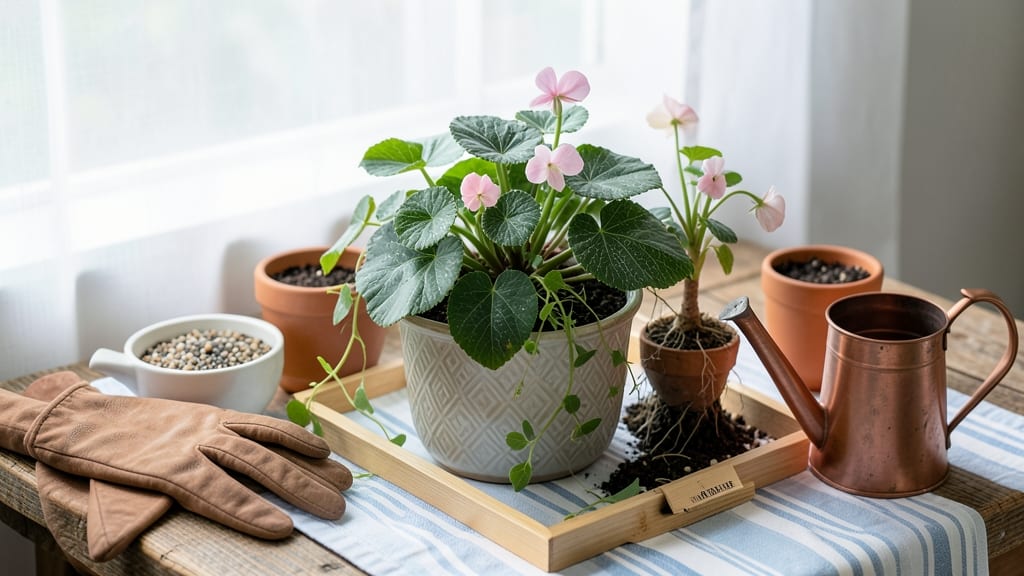
Best months to plant begonias in pots by USDA climate Zones
Timing your begonias correctly ensures vibrant blooms and healthy growth. Since begonias are tender perennials in most climates, planting too early risks frost damage, while planting too late cuts short their flowering season. The ideal window depends on your USDA climate zone and whether you're starting indoors or transplanting outdoors.
For USDA Zones 3-5, begin indoor seed-starting in February to give young plants a head start before the last frost. In warmer zones like Zones 6-11, you can plant directly outdoors as early as March in southern regions or wait until April-May in northern areas.
Always check your local frost dates—begonias wilt at 32°F (0°C).
Here’s a quick reference for your zone, including ideal start dates and outdoor transplanting times:
| Zone | Indoor Start | Outdoor Planting | Notes |
|---|---|---|---|
| 3-5 | February | May-June (after last frost) | Use grow lights; harden off before transplanting. |
| 6-7 | March | April-May | Stagger plantings for extended blooms. |
| 8-9 | March-April | March-April | Can plant year-round in mild winters. |
| 10-11 | Year-round | Year-round | Use shade cloth in summer to prevent leaf scorch. |
If you’re growing tuberous begonias, plant tubers indoors 8-10 weeks before your last frost date. They need warmth to sprout—aim for 70°F (21°C) soil temperatures. For fibrous-rooted begonias, like wax or angel-wing types, direct sowing outdoors works best after soil warms to 60°F (15°C).
Pro tip: Use black plastic mulch in cooler zones to warm soil faster. This helps jumpstart growth and extends the season by 2-3 weeks. Just avoid letting the mulch touch the plant stems to prevent rot.
For container gardening, choose pots with drainage holes and fill them with a light, airy potting mix (like a 50/50 blend of peat moss and perlite). Begonias hate soggy roots, so ensure excess water drains freely. Place pots in bright, indirect light—east or north-facing windows are ideal.
In Zone 10-11, you can enjoy begonias year-round with minimal effort. Simply replace spent blooms and fertilize lightly every 6 weeks to keep them flowering. For cooler zones, bring pots indoors before first frost and reduce watering to maintain dormancy until spring.
Remember: Tropical begonias (like Rex or Dragon Wing) need consistent warmth, while hardy types (like Begonia grandis) tolerate brief chills. Always match your variety to your climate for best results.
🌸
Best months to plant begonias in pots by USDA climate Zones
Timing your begonia planting is critical—especially when growing in pots, where temperature fluctuations happen faster than in-ground beds. The ideal window depends on your USDA zone, frost risk, and whether you're starting seeds indoors or transplanting mature plants.
In Zones 3-5, begin indoor seed-starting in February to give seedlings a head start before the last frost. For Zones 6-9, direct outdoor planting in April-May works perfectly, while Zones 10-11 can plant year-round with minimal temperature shifts.
Always check your local frost dates—begonias cannot tolerate frost, even in pots. A 50°F soil temperature is the minimum safe threshold for transplanting.
If you miss the spring window, don’t worry: tuberous begonias can also be planted in late summer for fall blooms, though they’ll need protection as winter approaches.
🌱 Begonia Planting Schedule by USDA Zone
| Zone | Indoor Start (Seeds) | Outdoor Planting | Frost Risk |
|---|---|---|---|
| 3-5 | Feb-Mar (8-10 weeks before last frost) | Late May-June | High (May frost common) |
| 6-7 | Mar-Apr (6-8 weeks before last frost) | April-May | Moderate (April frost possible) |
| 8-9 | Not needed (buy potted plants) | March-April or Sept-Oct (fall blooms) | Low (minimal frost) |
| 10-11 | Year-round (indoor/outdoor) | Jan-Dec (staggered planting) | None |
For container gardening, pot size matters just as much as timing. Use 6-inch pots for seedlings and upgrade to 10-12 inch pots for mature plants—begonias hate crowded roots. If you’re in a warmer zone, stagger plantings every 2-3 weeks to ensure continuous blooms.
Just remember: tuberous begonias need 6-8 weeks of warm soil before transplanting, while fibrous-rooted types are more flexible.
Pro tip: Hardening off seedlings is a must for potted begonias. Gradually expose them to outdoor conditions over 7-10 days before final planting. Start with 2 hours of shade and work up to full sun exposure.
This prevents shock and ensures stronger root systems. Skip this step, and you risk stunted growth or even plant death.
Don’t let late planting discourage you—begonias are forgiving if you adjust care. If you plant in June or July, focus on consistent moisture and partial shade to help roots establish before winter. In Zones 4-7, consider overwintering potted begonias indoors near a bright window to enjoy blooms year-round.
Always monitor your local weather forecasts for unexpected cold snaps. A single night below 50°F can damage even potted begonias, so have row covers or a garage ready for emergency protection.
With the right timing and a little preparation, your potted begonias will reward you with months of vibrant blooms—no frost required! 🌸