
Plants
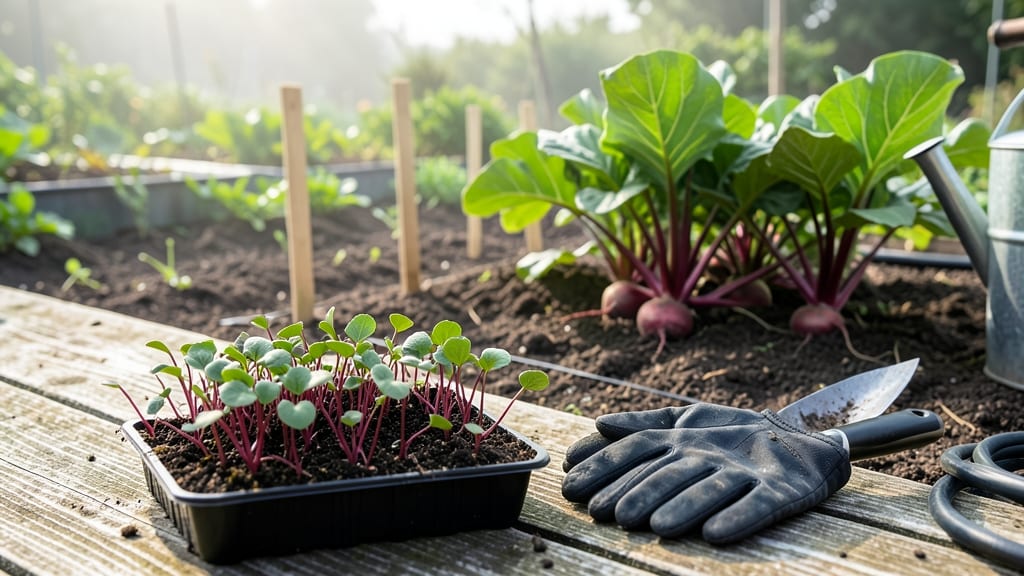
Timing your beet planting in Louisiana isn’t just about avoiding soggy soil—it’s about unlocking sweet, crisp roots that thrive despite the heat and humidity. The key? Planting during September-October or February-March, when temperatures stay mild and the risk of bolting drops dramatically.
Louisiana’s 8a-9b zones offer a unique advantage: a long growing season that lets you enjoy fresh 🍠 harvests from November through June. But skip the summer months, when high heat triggers bitter, woody roots or premature flowering.
I’ll show you exactly how to work with the climate—not against it—for perfect beets.
Most gardeners make one critical mistake: waiting too long to plant in fall or rushing spring starts. The result? Stunted growth or pests taking over. My humidity-proof schedule includes soil prep tricks, shade strategies, and the best varieties for Louisiana’s sticky summers.
Ready to grow beets that taste like they came from a farmers’ market? Let’s dive into the exact planting windows, frost timing, and pro tips that’ll have your garden producing crisp, flavorful roots all year—without the guesswork.
Best planting windows for beets in Louisiana’s climate zones
Louisiana’s three distinct climate zones (North: 8a, Central: 8b, South: 9a) create unique opportunities for growing crisp, sweet beets. The key is planting when soil temperatures stay warm but air temperatures cool—typically September-October for fall and February-March for spring.
This timing avoids the bolting trigger of Louisiana’s summer heat while maximizing frost-free harvest windows.
In Zone 9a (South Louisiana), you can even stretch planting into late August for a fall harvest, but be prepared to provide afternoon shade during peak heat.
Meanwhile, Zone 8a (North Louisiana) gardeners should focus on early September plantings to ensure roots mature before the first frost around December 1. The goal? Harvest before temperatures dip below 50°F, when beets turn woody and lose sweetness.
Here’s how to align your planting with Louisiana’s microclimates for maximum success:
| Zone & Region | Best Planting Window | Harvest Window | Key Adjustments |
|---|---|---|---|
| Zone 8a (North: Shreveport, Monroe) | Early September (fall) & February (spring) | November–December (fall) & April–May (spring) | Use row covers for late fall; avoid July plantings (bolting risk). |
| Zone 8b (Central: Baton Rouge, Lafayette) | Late August–September (fall) & February–March (spring) | October–December (fall) & April–June (spring) | Plant Chioggia varieties for heat tolerance; mulch heavily in summer. |
| Zone 9a (South: New Orleans, Houma) | August–September (fall) & March (spring) | October–January (fall) & May–June (spring) | Prioritize shade cloth in late summer; extend season with hoop houses. |
For year-round production, Louisiana gardeners can employ succession planting every 2–3 weeks during ideal windows. For example, start a spring batch in late February and follow with a fall batch in early September to ensure a continuous supply.
Just remember: Beets hate heat—so if you plant in June or July, expect bolting (flowering) within weeks, turning your roots bitter and stringy.
Pro tip: Test your soil temperature before planting—beets thrive when soil is 60–75°F. Use a soil thermometer to avoid planting too early in Zone 8a or too late in Zone 9a, where warm soil can still trigger bolting. Aim for consistent 65°F soil temps for the best results.
In Louisiana’s humid climate, soil-borne diseases like leaf spot and root rot are major threats. To mitigate these, always plant in well-draining soil amended with compost or aged manure.
Raised beds are ideal for Southern Louisiana, where heavy clay soils can suffocate roots during our wet summers.
Finally, harvest timing is critical. Beets are ready when roots reach 1–3 inches in diameter—but don’t wait too long! In Louisiana’s short winter, even small roots can mature quickly.
Check for readiness by gently pulling a test beet—if it’s firm and deeply colored, it’s time to harvest. Store extras in moist sand in the fridge for up to 2 weeks.
With this zone-specific schedule, you’ll bypass Louisiana’s summer bolting curse and enjoy homegrown beets from spring through winter. The secret? Plant early, harvest often, and keep them cool.
Best planting windows for beets in Louisiana’s climate zones
Louisiana’s climate—with its long, steamy summers and mild winters—demands precise timing for beet cultivation. The key is planting when soil temperatures stay below 75°F but remain warm enough to sprout quickly.
For most of the state (USDA Zones 8a-9a), this means focusing on fall and early spring windows when humidity levels drop and daytime temps hover between 60-75°F.
Northern Louisiana (Zone 8a) has slightly cooler winters, allowing for a 6-week extension of your planting window compared to southern regions. Meanwhile, Zone 9a gardeners must work faster to beat the heat.
The secret? Succession planting in short bursts—every 2-3 weeks—to ensure a continuous harvest before summer’s relentless sun triggers bolting.
| Zone | Ideal Planting Window | Harvest Window | Key Consideration |
|---|---|---|---|
| Zone 8a (North LA) | September 15–October 15 February 1–March 15 |
November–December April–June |
Longer cool season; watch for early spring frost |
| Zone 8b (Central LA) | September 1–October 1 February 15–March 1 |
October–November March–May |
Balanced heat; prioritize shade in late fall |
| Zone 9a (South LA) | August 15–September 15 January 15–February 15 |
September–October February–April |
Short window; use shade cloth to extend season |
For Zone 8a gardeners, the fall window (September–October) is your best bet—beets planted now mature just as temperatures dip, delivering sweet, crisp roots by November. Meanwhile, Zone 9a’s shorter cool season means you’ll need to plant earlier (August) and harvest quickly before heat sets in.
Pro tip: Use a soil thermometer to confirm temps are 60°F+ before sowing—cold soil delays germination.
Spring plantings in Louisiana require extra vigilance. Seedlings struggle when daytime temps exceed 80°F, so aim for February–March in northern regions and January–February in the south. If you miss this window, consider container growing with shade cloth to buy time.
Remember: Beets are cool-season crops, and Louisiana’s heat will turn them bitter or cause them to bolt prematurely.
One often-overlooked strategy is winter planting (December–January) for Zone 8a/8b. While beets won’t thrive in freezing temps, they’ll tolerate light frosts and produce tender greens even if roots stay small. This is a great way to extend your harvest into early spring when other crops are still dormant.
To maximize success, pair your planting schedule with succession sowing every 2 weeks during your chosen window. This ensures a steady supply of fresh beets and reduces the risk of overcrowding, which leads to small, misshapen roots.
For example, if you plant September 1, follow up with seeds on September 15 and October 1—this staggered approach guarantees harvests through November.