
Plants
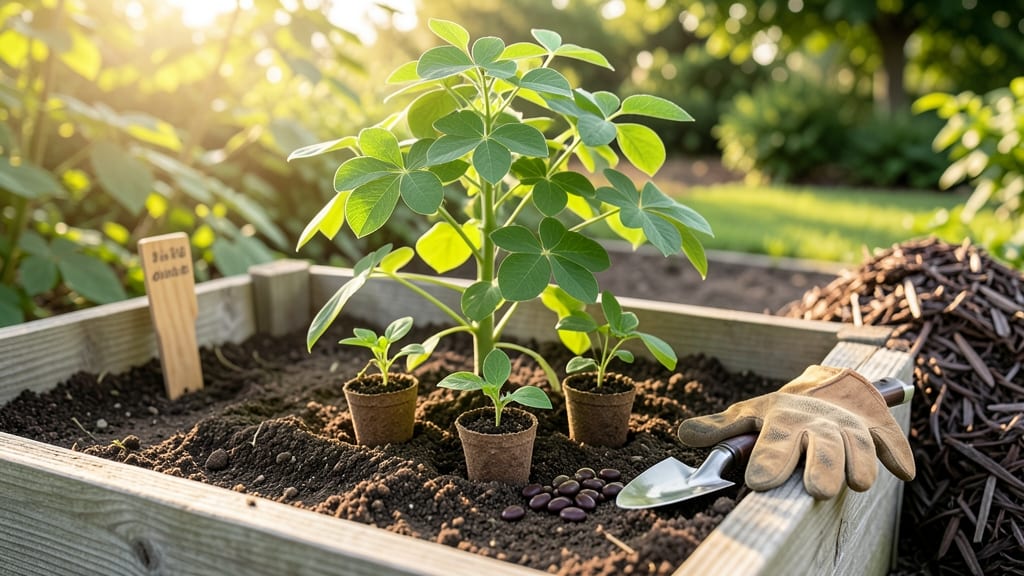
Knowing when to plant beans in Zone 7 can mean the difference between a thriving garden and a missed harvest—especially when soil temperatures and frost dates play such a big role. Unlike some plants that tolerate cooler starts, beans need warmth to germinate, so timing is everything.
Most gardeners in Zone 7 focus on spring planting, but did you know you can also grow beans in the fall? The key is understanding your last frost date (around April 15) and soil temperature thresholds—beans prefer 60°F or warmer to sprout successfully.
Miss this window, and you might end up with slow starts or stunted plants.
In this guide, I’ll break down the best planting windows for both spring and fall, including tips for choosing between bush and pole varieties. Whether you’re a beginner or a seasoned gardener, these insights will help you maximize your harvest with minimal effort.
Ready to grow more beans with confidence? Let’s dive into the exact timing and tricks that work in Zone 7 gardens—no guesswork required.
Best planting times for beans in Zone 7: cold-soil vs warm-soil varieties
In Zone 7, timing your bean planting is everything—especially since beans thrive in warm soil (60°F+) but can bolt in hot summer heat. Most gardeners focus on spring planting, but fall harvests are also possible with the right approach.
The key? Matching your bean variety to soil temperature and avoiding late frosts or early heatwaves.
For bush beans and pole beans, the ideal window starts 2 weeks after your last frost date (typically mid-April in Zone 7). However, cold-soil varieties like Blue Lake can tolerate slightly cooler soil (50°F), while warm-soil varieties such as Kentucky Wonder need 60°F+ to germinate properly.
Here’s the breakdown: Spring planting (April–May) gives you a June–July harvest, while fall planting (August–September) yields beans in September–October. The trick is to plant fall beans 8–10 weeks before your first frost (around October 15 in Zone 7) to ensure they mature before cold sets in.
Microclimates matter too! If you’re in a warmer microclimate (e.g., near a brick wall or paved area), you can plant 1–2 weeks earlier. Conversely, cooler pockets (like shaded valleys) may delay planting by 10–14 days.
| Variety Type | Soil Temp Threshold | Planting Window (Zone 7) | Harvest Window | Key Notes |
|---|---|---|---|---|
| Bush Beans (e.g., Blue Lake) | 50°F+ | April 15–May 15 | June–July | Compact; great for small gardens. |
| Pole Beans (e.g., Kentucky Wonder) | 60°F+ | May 1–June 1 | July–August | Needs trellis; higher yield per plant. |
| Heirloom Beans (e.g., Scarlet Runner) | 65°F+ | May 15–June 10 | July–September | Longer maturity; stunning flowers. |
| Fall Planting (All Types) | 60°F+ | August 1–September 1 | September–October | Avoid planting too late; needs 50+ days to mature. |
Pro tip: Use a soil thermometer to confirm soil temps before planting. If your soil is below 60°F, wait a few days or use black plastic mulch to warm it up faster. For pole beans, install trellises before planting—they grow fast and need support!
Succession planting is another game-changer. Instead of planting all your beans at once, sow new seeds every 2 weeks from April to June. This ensures a continuous harvest and prevents overcrowding. Just remember: never plant beans where tomatoes or peppers grew last year—they share diseases.
If you’re new to Zone 7 gardening, start with bush beans like Blue Lake—they’re forgiving and produce quickly. For adventurous gardeners, Scarlet Runner beans add beauty with their red flowers while providing a late-season harvest. Just be prepared to harvest daily once pods appear to keep production going!
One last tip: If your summer gets extremely hot (above 90°F), beans may stop producing. In this case, focus on fall planting for a second crop. With the right timing, you can enjoy fresh beans from June through October in Zone 7!
Best planting times for beans in Zone 7: cold-soil vs warm-soil varieties
In Zone 7, timing your bean planting right is everything—especially since this zone straddles the line between cool and warm climates. Cold-soil varieties like Northern Bush can handle temperatures as low as 50°F, while warm-soil types (e.g., Black Valentine or Kentucky Wonder) need 60°F+ soil to thrive.
Planting too early risks frost damage, while waiting too long cuts harvest time short.
Most Zone 7 gardeners aim for two planting windows: spring (April–May) after the last frost (around April 15 on average) and fall (August–September) for a late harvest. Pole beans often need a longer growing season, so start them slightly earlier than bush beans (which mature faster).
Here’s how to match your variety to the perfect window:
| Variety Type | Ideal Planting Window | Soil Temp Requirement | Days to Harvest | Zone 7 Notes |
|---|---|---|---|---|
| Cold-Soil Bush Beans | April 1–May 15 | 50–55°F | 50–60 days | Tolerates early spring; great for succession planting. |
| Warm-Soil Bush Beans | May 1–June 1 | 60–65°F | 55–65 days | Higher yields in heat; avoid planting before soil warms. |
| Pole Beans | April 15–May 10 | 55–60°F | 60–80 days | Needs longer season; stake early to maximize space. |
| Fall Planting (All Types) | August 15–September 15 | 60°F+ (soil) | 50–65 days | Choose fast-maturing varieties; harvest before first frost (~October 15). |
Pro tip: Use a soil thermometer to confirm temperatures before planting. If your soil runs cold longer than usual, opt for cold-hardy varieties or use black plastic mulch to warm it faster. For fall plantings, prioritize dwarf varieties like Blue Lake to avoid frost damage.
Microclimates matter too! If you’re in a valley or low-lying area, plant 1–2 weeks later to avoid late frosts. Conversely, hilltops or urban heat islands may allow earlier plantings—just monitor weather forecasts closely.
Remember: Succession planting every 2 weeks in spring keeps your harvest going. For example, plant a batch on April 15, another on May 1, and a final one on May 15 to stretch your yield through summer.