
Plants
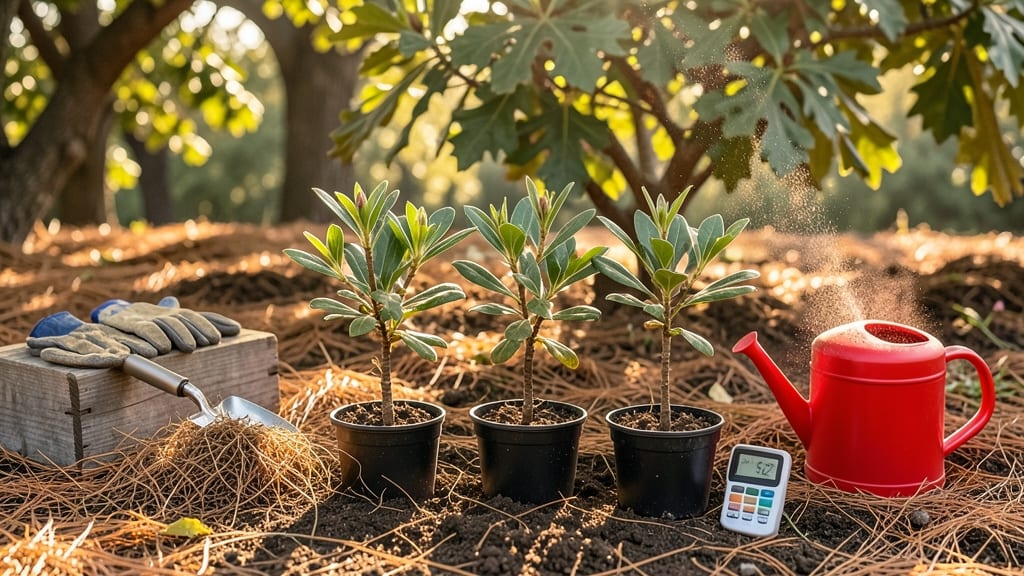
Planting azaleas in Arkansas at the wrong time could mean the difference between a showstopping 🌸 display and years of disappointment. The best months to plant these shrubs—whether you're in zone 7a or 8b—are fall or early spring, when the soil is cool but not frozen.
Why does timing matter so much? Because azaleas need 6-8 weeks to establish roots before winter hits. Plant too late, and you risk shock from freezing temps.
Too early, and they may struggle with summer heat before settling in. Arkansas's humid climate adds another layer—moisture retention is key for young roots.
I’ll break down the exact windows for your zone, plus pro tips for soil prep and container planting if you’re in an urban area. Whether you’re a first-time gardener or a seasoned green thumb, getting this right means vibrant blooms in just a few years—not waiting a decade.
Ready to transform your yard? Let’s dive into the science behind Arkansas’s perfect planting schedule, so you can enjoy those iconic azalea blooms year after year.
Best planting months for azaleas in Arkansas by hardiness Zone
Timing your azalea planting in Arkansas is all about avoiding late frosts and giving roots time to establish before summer heat. Most of Arkansas falls within USDA Zones 6b to 8a, where fall and early spring are ideal windows.
In colder northern regions (Zone 6b), aim for October to early November—this lets roots settle before winter dormancy. Southern areas (Zone 8a) can extend planting until late November, thanks to milder winters.
Spring planting works too, but rush it, and you’ll face transplant shock during Arkansas’ brutal summer heat. Stick to February through early March in all zones, ensuring soil temps stay above 45°F (7°C) to prevent root damage.
Pro tip: Check your local last frost date—most of Arkansas sees its final frost around March 15, but mountain regions may wait until April 1.
Here’s the golden rule: Plant azaleas when soil temps are cool (below 70°F/21°C) and humidity is high—Arkansas’ fall and early spring conditions are perfect. Avoid summer planting unless you’re in containers, which dry out faster in Arkansas’ 90°F+ (32°C+) heat.
Native Arkansas azalea varieties like Rhododendron atlanticum (carolina azalea) thrive with these timing adjustments. They’re hardier than exotic hybrids and handle Arkansas’ humid summers better once established. For best results, pair planting with acidic soil amendments (like sulfur or pine bark) and mulching to retain moisture.
| USDA Zone | Best Planting Months | Soil Temp Range | Key Consideration |
|---|---|---|---|
| 6b (North AR) | October 1–November 15 | 45–60°F (7–15°C) | Avoid late frosts; mulch heavily |
| 7a (Central AR) | October 15–December 1 | 50–65°F (10–18°C) | Higher humidity aids root growth |
| 8a (South AR) | November 1–December 15 | 55–70°F (13–21°C) | Watch for early summer heat |
| All Zones (Spring) | February 1–March 15 | 45–60°F (7–15°C) | Soil must thaw; avoid drought stress |
Why does timing matter so much? Azaleas form next year’s flower buds during their first growing season. Plant too late in fall, and roots won’t establish before winter—leading to poor blooms or death.
Spring planting risks heat stress; Arkansas’ summers can push soil temps to 95°F (35°C), shocking delicate roots. The key is balancing root growth with environmental conditions—Arkansas’ humid climate helps, but proper timing seals the deal.
For container-grown azaleas (great for urban Arkansas gardens), adjust slightly: Plant 1–2 weeks earlier in fall or later in spring since pots warm faster. Always water deeply after transplanting—Arkansas’ clay-heavy soils can suffocate roots if not amended with organic matter.
A 3-inch layer of mulch (pine straw or shredded bark) locks in moisture and mimics their native woodland conditions.
Pro move: Test your soil’s pH (4.5–6.0) before planting. Arkansas’ limestone-based soils often skew alkaline—lowering pH with elemental sulfur or peat moss is a game-changer for azalea health. Pair this with a slow-release fertilizer (like 10-10-10) at planting to kickstart growth.
Your azaleas will reward you with vibrant blooms next spring if you nail these timing and soil prep steps.
Remember: Arkansas’ microclimates vary wildly—river valleys stay cooler, while urban areas bake faster. Next up, we’ll dive into fall vs. spring planting and how to tweak your approach for Arkansas’ diverse conditions. 🌸
Best planting months for azaleas in Arkansas by hardiness Zone
Arkansas gardeners know azaleas thrive in our humid climate, but timing matters more than you think.
The USDA zones 6b-8a across Arkansas create distinct planting windows—get it wrong, and your azaleas may struggle to establish roots before winter or bloom poorly. Fall planting is my top recommendation for most regions, but spring has its perks too.
For Zone 6b (north Arkansas), aim for October 1st–November 15th to beat early frosts. Zones 7a-8a (central/southern Arkansas) can extend planting until November 30th. The key? 6-8 weeks before first frost—this gives roots time to settle before winter dormancy.
| Zone | Best Planting Window | Soil Temp Goal (°F) | Why It Works |
|---|---|---|---|
| 6b (North AR) | October 1–November 15 | 50–60°F | Cooler temps reduce transplant shock; roots establish before hard frost. |
| 7a (Central AR) | October 15–November 30 | 55–65°F | Longer growing season allows later planting; milder winters reduce frost risk. |
| 8a (South AR) | October 15–December 15 | 60–70°F | Warmer soils speed root growth; December planting works if soil stays above 50°F. |
Spring planting is riskier in Arkansas due to late frosts (March 15th average), but February 15th–March 15th works if you’re in Zone 8a. For northern Arkansas, wait until April 1st to avoid frost damage. Pro tip: Use row covers if planting early spring—azaleas hate cold snaps after transplanting.
Native Arkansas varieties like Rhododendron atlanticum (Atlantic azalea) handle our acidic, clay-heavy soils better than hybrids. Amend your soil with pine bark fines or peat moss to hit the pH 4.5–6.0 sweet spot. My secret? Test soil before planting—skip this step, and you’ll fight yellow leaves for years.
Container-grown azaleas (common in nurseries) can be planted year-round in Arkansas, but fall remains best for root growth. If you’re in an urban heat island (like Little Rock), plant in late fall to avoid summer stress.
Water deeply after planting—1–2 gallons per shrub—and mulch with 3 inches of pine straw to retain moisture.
Remember: Azaleas bloom on old wood, meaning this year’s flowers formed last summer. Plant too late, and you might skip blooms entirely. For guaranteed color, stick to the fall window—your future self (and your neighbors) will thank you.