
Flowers
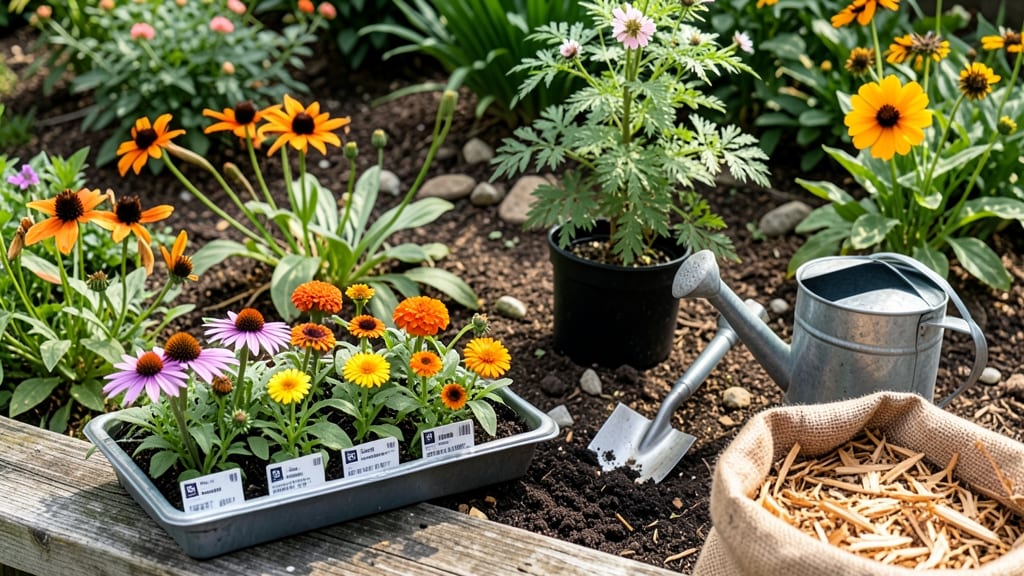
Timing your flower planting in Michigan can make the difference between a vibrant garden and a season of missed blooms. With zones 5b-6b bringing unpredictable frost dates, knowing exactly when to plant your 🌸 is the key to success.
Whether you're dreaming of spring tulips or fall mums, the best planting windows align with Michigan's climate quirks. Late April to mid-May typically signals the all-clear after last frost, but fall varieties thrive when planted in early September through mid-October.
I'll walk you through the exact months that work best for your zone, plus pro tips to extend your blooming season. From soil prep to frost protection, you'll learn how to give your flowers the perfect start - no matter what Michigan throws at you.
Ready to transform your garden? Let's dive into the best planting schedule for Michigan's most stunning flowers, so you can enjoy color from spring through fall without the guesswork.
Michigan flower planting calendar by hardiness zones (5b, 6a, 6b)
Michigan spans USDA Hardiness Zones 5b, 6a, and 6b, which means your planting schedule should account for last frost dates that vary by region.
In the southern Lower Peninsula (Zone 6b), you’ll typically see the last frost around April 15th, while the Upper Peninsula (Zone 5b) can linger until May 1st or later. These differences are critical for timing your spring and fall plantings correctly.
For annual flowers, the safest window is after your area’s last frost date, when soil temperatures reach at least 50°F (10°C).
In Michigan, this usually falls between late April and mid-May for most regions. Perennials and bulbs, however, often have earlier planting windows—some can even be planted in early spring or fall, depending on the variety.
Fall planting is another key strategy for Michigan gardeners. Cool-season flowers like pansies, snapdragons, and calendula thrive when planted 6-8 weeks before the first frost, typically between early September and mid-October.
This gives them time to establish roots before winter sets in, ensuring earlier and longer blooms the following year.
Here’s a quick breakdown of Michigan’s three primary zones and their ideal planting windows to help you plan:
| Zone | Last Frost Date | Best Spring Planting Window | Best Fall Planting Window | Notes |
|---|---|---|---|---|
| Zone 5b (Upper Peninsula) | May 1 - May 15 | Late May - Early June | Early September - Mid-September | Shorter growing season; opt for cold-hardy varieties. |
| Zone 6a (Northern Lower Peninsula) | April 20 - April 30 | Mid-May - Early June | Mid-September - Early October | Moderate climate; ideal for most annuals and perennials. |
| Zone 6b (Southern Lower Peninsula) | April 10 - April 20 | Late April - Mid-May | Late September - Mid-October | Longest growing season; can extend planting into early November for hardy varieties. |
If you’re unsure about your exact last frost date, check local resources like the Michigan State University Extension or use a frost calendar for your county. These tools provide hyper-localized data that can save your plants from unexpected late-season frosts.
For example, Traverse City (Zone 5b) might have a later frost than Detroit (Zone 6b), so adjust accordingly.
For bulbs like tulips and daffodils, planting in fall (October-November) is ideal because it allows roots to establish before winter.
However, you can also plant them in early spring if you miss the fall window, though they may bloom later. Perennials like coneflowers and black-eyed Susans can often be planted in spring or fall, giving you flexibility depending on your schedule.
One pro tip for Michigan gardeners: Succession planting can extend your blooming season. For instance, sow fast-growing annuals like zinnias or cosmos every 2-3 weeks from May through July. This ensures a continuous display of color and maximizes your garden’s potential, even in a shorter growing season.
Remember, soil temperature matters just as much as air temperature. Use a soil thermometer to confirm when your soil is warm enough for planting. In cooler zones like the Upper Peninsula, wait until the soil reaches at least 55°F (13°C) before planting warm-season annuals like marigolds or sunflowers.
Finally, don’t overlook microclimates in your garden. A sunny, sheltered spot might warm up faster than the rest of your yard, allowing you to plant earlier in spring or later in fall. Observing these nuances can give you a competitive edge for longer, more vibrant blooms.
Best flowers to plant in Michigan by season (cool vs. warm-loving varieties)
Michigan’s short growing season means choosing the right flowers for each season is crucial. Cool-season bloomers thrive in spring and fall, while warm-season favorites shine in summer’s heat. Let’s break down the top performers for each season, tailored to Michigan’s USDA Zones 5b-6b.
For spring planting, focus on cold-hardy annuals and perennials that tolerate frost. Pansies, snapdragons, and calendulas are my go-tos—they bloom early and handle late frosts like a champ. Tulips and daffodils planted in fall will reward you with early spring color.
Summer is all about heat-loving annuals like zinnias and marigolds, which bloom nonstop in Michigan’s hot, humid months. Petunias and sunflowers also thrive, adding bold colors to your garden. For fall planting, opt for cool-season favorites like asters and chrysanthemums—they’ll keep blooming until first frost.
Don’t forget perennials! Plants like coneflowers, black-eyed Susans, and daylilies are low-maintenance and return year after year. They’re perfect for Michigan’s climate because they withstand cold and drought once established. Succession planting these in early summer ensures continuous blooms.
For container gardening, choose compact varieties like dwarf marigolds or bacopa. These thrive in pots on patios and can be moved to extend their season. Just remember: containers dry out faster, so water daily during summer heat. Mulch heavily to retain moisture and protect roots.
Pro tip: Deadhead spent blooms regularly to encourage new flowers. This works for annuals and perennials alike and keeps your garden looking neat and vibrant all season. With the right flowers for each season, you’ll enjoy colorful blooms from spring to fall—no matter Michigan’s unpredictable weather! 🌸