
Plants
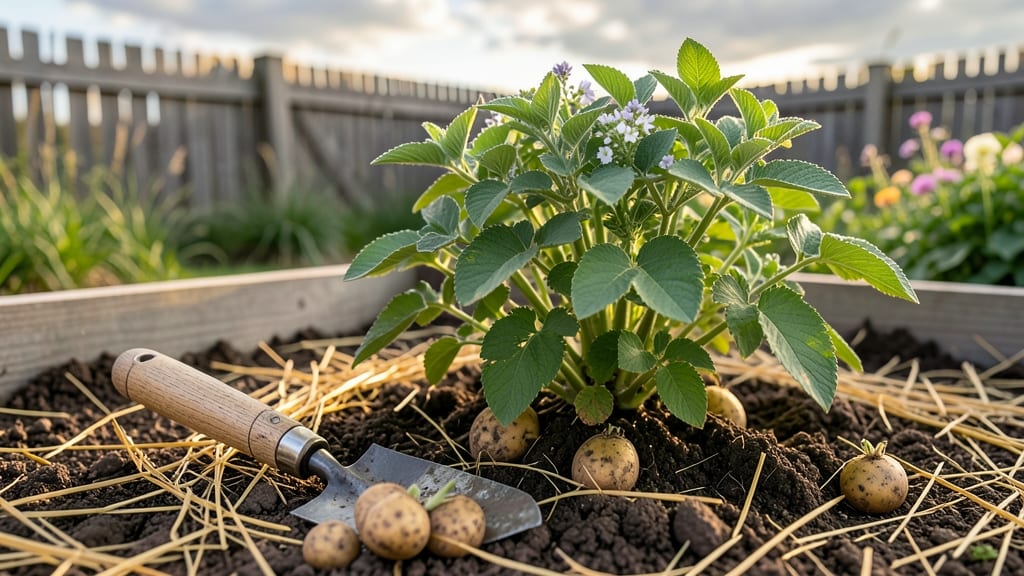
Planting potatoes in Louisiana isn’t just about throwing them in the dirt—it’s about beating the heat, humidity, and unpredictable frost-free deadlines. With the right timing, your 🥔 harvest could be bountiful, but miss the window, and you’ll fight soggy soil or stunted tubers.
Louisiana’s USDA zones 8a-9b mean coastal areas have earlier planting opportunities than inland regions, but even a few weeks off can ruin your crop. Whether you’re in New Orleans or Shreveport, knowing when to plant—February-March for early varieties or September-October for late-season—is the key to success.
I’ll break down the exact planting schedule, soil prep tricks to avoid rot, and the best heat-tolerant varieties for Louisiana’s short growing season. No more guessing—just a foolproof plan for a harvest that’ll make your neighbors jealous.
Ready to grow potatoes that actually thrive in the humidity? Let’s get started with the timeline that works for your corner of Louisiana.
Louisiana potato planting calendar: coastal heat zones explained
Louisiana’s humid subtropical climate creates unique challenges for potato growers. Unlike northern states, we don’t have to worry about harsh winters—but our long growing season and high humidity demand precise timing.
The key is planting 4-6 weeks before your last frost date, which typically falls around February 15 in most of Louisiana. However, coastal areas like New Orleans and Lafayette often experience milder winters, allowing for earlier planting.
For spring potatoes, aim to plant between mid-January and early March in inland areas, while coastal gardeners can start as early as late December. This timing ensures tubers develop before late-spring heat stunts growth.
Conversely, fall potatoes should go in the ground between September and early October to mature before the first frost in December. The difference between coastal and inland planting windows can be as much as 3-4 weeks, so check your local USDA zone (8a-9b) for precision.
Soil temperature is another critical factor. Potatoes thrive when soil reaches 45°F (7°C)—ideal for sprouting. In Louisiana’s warmer zones, this happens naturally by mid-February, but colder inland areas may need to wait until March.
Use a soil thermometer to confirm readiness before planting. Pro tip: If your soil is too cold, cover seed potatoes with straw mulch to accelerate warming.
Here’s how Louisiana’s two distinct regions differ in planting schedules:
| Region | USDA Zone | Spring Planting Window | Fall Planting Window | Key Challenge |
|---|---|---|---|---|
| Coastal (e.g., New Orleans, Baton Rouge) | 8b-9a | Late Dec - Early Feb | Late Sept - Early Oct | Humidity & fungal diseases |
| Inland (e.g., Shreveport, Monroe) | 8a | Mid-Jan - Early March | Mid-Sept - Late Oct | Later frosts & cooler soils |
If you’re planting in USDA Zone 8a (northern Louisiana), stick to the later end of these windows to avoid early-season frosts. Conversely, Zone 9a/b gardeners can push planting dates earlier, but beware of soil saturation during Louisiana’s wet winters.
Always choose certified disease-free seed potatoes to prevent blight, which thrives in our damp climate. For extra protection, opt for red or purple varieties, which are more resistant to fungal issues than white potatoes.
One common mistake Louisiana gardeners make is planting too deep. While 4 inches deep is standard, our heavy clay soils can compact easily. Loosen the soil with a broadfork to a depth of 12 inches before planting, and mix in 2-3 inches of compost to improve drainage.
Space seed potatoes 12 inches apart in rows 3 feet apart to allow for hill-building as plants grow. This spacing also helps air circulate, reducing the risk of blight in our humid climate.
For a second crop, consider late-summer planting in August using fast-maturing varieties like ‘Early Girl’ or ‘Red Norland’. These potatoes can be harvested by November before winter sets in. However, avoid planting after mid-September, as tubers won’t have enough time to mature before frost.
Always mark your planting dates in a garden journal to track what works best in your specific microclimate.
Remember, Louisiana’s long growing season means you can grow potatoes year-round with careful planning. Start with spring plantings, then transition to fall varieties as temperatures cool. By mastering these regional planting windows, you’ll enjoy a continuous harvest of homegrown potatoes—no matter where you garden in the state.
🌱
How to adjust planting for Louisiana’s unique climate challenges
Louisiana’s humid subtropical climate isn’t your average potato-growing paradise. The heavy rainfall and late-season heat can turn your dream crop into a soggy mess if you’re not prepared. I’ve learned the hard way—skipping proper soil prep once led to rotten tubers before harvest.
Here’s how to beat the odds and grow thriving potatoes in our USDA zones 8a-9b.
First, focus on drainage. Louisiana’s clay-heavy soils hold too much moisture, inviting fungal diseases like late blight. Amend your soil with organic matter like compost or aged manure to improve aeration. Aim for a loamy texture—think crumbly, not sticky.
Test your soil’s pH too; potatoes prefer 5.0 to 6.0. If yours is off, adjust with lime (to raise) or sulfur (to lower).
Planting too early (before February 15) risks soil-borne diseases from winter rains. Late planting (after March 15) exposes young plants to heat stress, stunting growth. Use mulch (straw or black plastic) to regulate soil temp and retain moisture without drowning roots.
Pro Tip: Elevate beds with raised rows (6–8 inches high) to improve drainage in waterlogged areas.
Next, time your planting window around Louisiana’s quirks. For spring potatoes, plant 4–6 weeks before your last frost date (usually mid-February to early March). If you’re growing fall potatoes, start in late August to early September—early enough to mature before first frost (around December 1).
Avoid planting in peak summer heat (June–July), as seed potatoes may sprout poorly or rot.
Choose heat-tolerant varieties to outsmart Louisiana’s climate. Red LaSoda and Georgia Jet handle humidity better than traditional russets. For short-season areas (like North Louisiana), pick early-maturing types (70–90 days). In southern Louisiana’s longer growing season, you can stretch to 100–120-day varieties like Yukon Gold.
Watering is another make-or-break factor. Louisiana’s afternoon thunderstorms can drown plants overnight. Instead, water deeply in the morning (1–1.5 inches per week) and mulch heavily to prevent evaporation. Avoid wetting foliage to reduce blight risk.
Once tubers form (about 4–6 weeks after planting), cut back to 1 inch per week to firm up skins before harvest.
Finally, rotate crops to prevent disease buildup. Potatoes are heavy feeders and attract pests like colorado potato beetles. Avoid planting them in the same spot for 3–4 years.
Interplant with marigolds or onions to deter pests naturally. If you notice yellowing leaves or blackened stems, act fast—remove infected plants and treat with copper fungicide if needed.
With these adjustments, you’ll turn Louisiana’s challenges into potato-growing wins. My best harvests came from elevated beds, mulched rows, and heat-tolerant varieties—and yours can too! 🌱