
Companion Plants
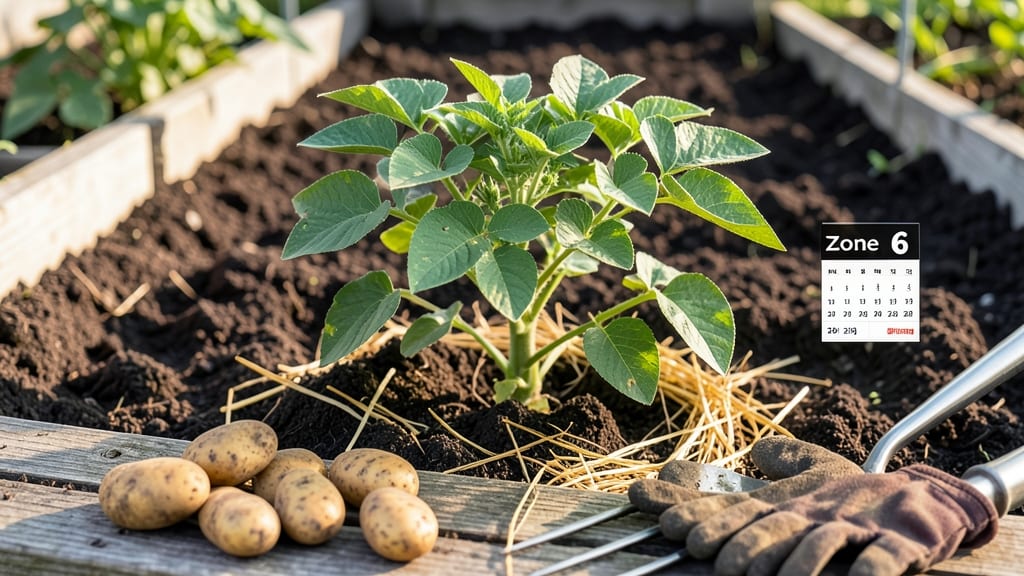
Knowing when to plant potatoes in Zone 6 isn't just about following a calendar—it's about reading your soil like a pro. Too early, and your spuds might rot; too late, and you’ll miss the sweet spot for a summer harvest.
The secret? Waiting until the ground warms to 45°F, usually 2-4 weeks before your last frost, when earthworms start reappearing.
This timing isn’t just technical—it’s practical. In Zone 6, where frost lingers into April, planting too soon means soggy soil and stunted growth. But get it right, and you’ll enjoy crisp, homegrown 🥔 in as little as 70 days, beating the heat and pests.
The key is balancing patience with opportunity.
I’ll walk you through the exact cues to watch for—soil temperature, moisture, and even the behavior of weeds—to know when your garden is ready. No guesswork, just a foolproof plan for a harvest that’ll make your neighbors jealous.
Ready to turn your garden into a potato powerhouse? Let’s break down the 4-week jumpstart that’ll have you digging up spuds faster than you can say “mashed potatoes.”
Zone 6 potato planting calendar: soil temperature rules for optimal growth
Getting your potatoes in the ground at the right time in Zone 6 is all about soil temperature, not just calendar dates. Unlike many plants, potatoes thrive when soil hits 40°F–50°F, which in Zone 6 typically aligns with late March to early April.
Planting too early risks cold soil rot, while waiting too long can shorten your harvest window before summer heat arrives. I’ve learned the hard way—last year, my early March planting resulted in moldy tubers!
Your last frost date in Zone 6 usually falls around mid-April, but soil warms faster than air. That’s why I always check soil temps with a soil thermometer—it’s the only way to get it right.
For example, in 6a (colder sub-zone), aim for 45°F, while 6b (warmer) can handle 50°F soil. This small difference makes a big impact on sprouting speed.
Here’s the golden rule: Plant potatoes 2–4 weeks before your last frost, but only when soil is consistently above 40°F. This window gives tubers time to establish roots before the rush of spring growth.
I’ve found that early varieties like ‘Yukon Gold’ or ‘Red Norland’ can handle slightly cooler soil, while late varieties like ‘Russet Burbank’ need that 50°F threshold to avoid stunting.
Microclimates in Zone 6 can shift your planting window by 1–2 weeks. For instance, south-facing slopes or raised beds warm up faster than low-lying areas. I once planted on a sunny hillside in late February and got a head start—my neighbors’ flat-ground potatoes lagged by 3 weeks.
If you’re unsure, test your soil in multiple spots with a thermometer for 3 consecutive days before committing.
Another trick I swear by is chitting potatoes indoors 4–6 weeks before planting. Place seed potatoes in a bright, cool spot (like a windowsill) to sprout 1-inch stems.
These sprouts give you a 2-week jump on growth once planted. Just avoid letting them get leggy—plant them stem-side up and 2 inches deep to prevent bending.
For those who love fall harvests, you can also plant potatoes in late summer (August) for a second crop. These “fall potatoes” need to be in the ground by mid-August in Zone 6 to mature before frost.
Choose early varieties like ‘Early Girl’ or ‘New Red Skin’—they’ll give you smaller but sweet potatoes by October. Just be prepared to hill soil around stems to protect tubers from frost.
One common mistake I see is ignoring soil moisture alongside temperature. Potatoes need consistently moist soil but hate soggy conditions. If your soil is too wet when planting (even at the right temp), tubers will rot.
Always plant in well-draining soil and avoid waterlogged areas. A simple test: Dig a hole, fill it with water, and if it drains in 2 hours, your soil’s ready.
Finally, keep an eye on your local almanac for unpredictable frost years. Zone 6 can swing wildly—some years frost lingers until May 1, while others break early by March 20. I’ve learned to plant 1–2 weeks later than average if winter was harsh, just to be safe.
When in doubt, stagger your planting in batches of 2 weeks apart to spread out your harvest and reduce risk.
4 Signs your Zone 6 soil is ready for potatoes (and 3 mistakes to avoid)
Before you rush to plant those seed potatoes, your Zone 6 soil needs to pass a few key tests. Cold, wet soil can turn your spuds into mushy disappointment, while dry conditions stress young plants.
I’ve learned the hard way—skipping these checks once led to a harvest of shriveled tubers instead of crisp, golden potatoes.
First, check the soil temperature—it should consistently read 45°F–50°F at a depth of 4 inches. Use a soil thermometer for accuracy, especially in early spring when mornings are still chilly. If your soil is colder, wait a week or two; potatoes won’t sprout until the ground warms up.
Next, test moisture levels by grabbing a handful of soil. It should crumble slightly when squeezed but not stick together like wet clay.
If it’s too dry, water deeply 2–3 days before planting to give roots a head start. Overly wet soil is just as bad—it invites rot and fungal diseases that can wipe out your crop before it even starts.
⚠️ 3 Planting Mistakes That Kill Zone 6 Potatoes
1. Planting too early – Cold soil (<40°F) causes rot. Wait for 45°F+ soil temps.
2. Skipping soil prep – Compacted or rocky soil stunts growth. Amend with compost before planting.
3. Ignoring frost warnings – Late frosts after planting can kill sprouts. Use frost cloth if frost is forecasted.
Don’t overlook drainage, either. Dig a small hole, fill it with water, and time how long it takes to drain. If water lingers for more than an hour, your soil is too dense.
Potatoes hate soggy feet—amend with organic matter like compost or peat moss to improve aeration. A quick trick? Look for earthworms in your soil; their presence means your garden is ready for planting.
Finally, watch for visual cues like sprouting seed potatoes. If your cuttings start growing green shoots indoors, your outdoor soil is likely warm enough. But if sprouts wilt or turn black, your soil is still too cold. Patience here pays off—rushing leads to failed crops.
Once your soil passes these tests, you’re golden. But here’s a pro tip: Plant in trenches to insulate tubers and keep them cool during hot Zone 6 summers. This simple trick can double your yield by preventing heat stress in developing potatoes.