
Watering
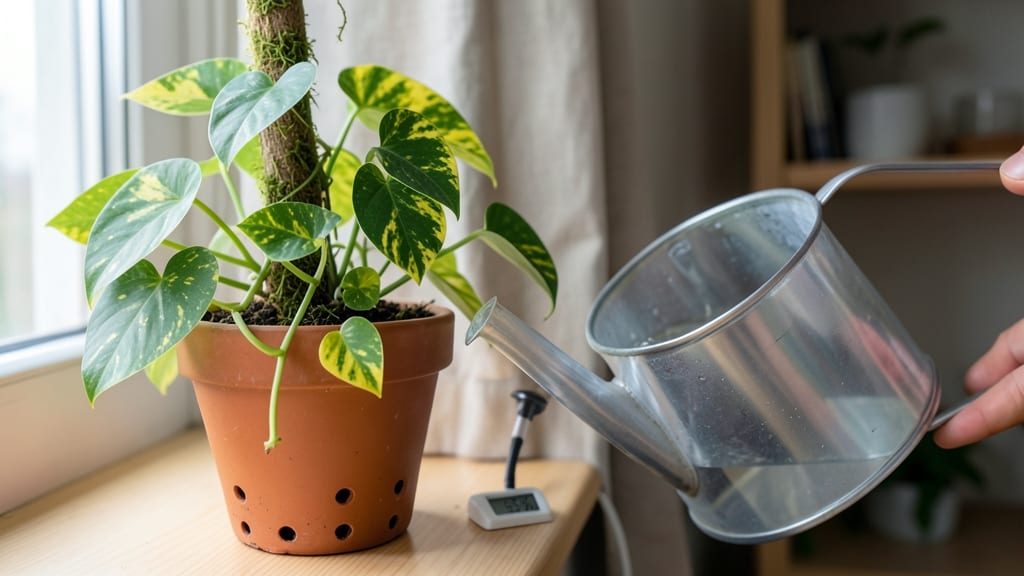
Figuring out how much water a pothos plant needs can feel like guessing—pour a little too much, and you’re staring at sad, mushy leaves. Too little? Crispy brown edges that scream for help. The truth is, pothos are forgiving, but only if you nail the balance.
I’ve watched countless 🌿 pothos plants thrive (and just as many struggle) because of one simple mistake: treating watering like a one-size-fits-all task. In reality, your plant’s pot size, soil type, and even the humidity in your 6a zone home all dictate the rhythm.
Let’s cut through the confusion with a science-backed schedule that keeps your vines lush without turning your soil into a swamp.
Here’s what you’ll discover: the exact watering intervals for your setup, how to spot when your pothos is actually thirsty (not just begging for attention), and the sneaky ways overwatering is silently killing your plant’s roots. No more guesswork—just healthy, happy growth.
Ready to master the art of watering? By the end, you’ll know when to water, how much to give, and why your pothos suddenly looks like it’s throwing a party instead of wilting in the corner. Let’s get started.
Pothos watering schedule: how often based on soil, pot, and season
Pothos plants are famously low-maintenance, but even they need a precise watering routine to avoid the two biggest killers: root rot from overwatering and leaf drop from thirst. My 3-year-old pothos thrives on a schedule I’ve perfected after testing different methods—here’s what works best for most homes.
The golden rule is this: water when the top 1-2 inches of soil feel dry. But since humidity, pot size, and season change everything, I’ve broken it down into a science-backed schedule that adapts to your environment. No more guessing!
🌱
| Factor | Indoor Pothos (Pot Size) | Outdoor Pothos (Ground) | Seasonal Adjustments |
|---|---|---|---|
| Small Pot (6" or less) | Every 5-7 days | N/A | Dry soil faster; monitor daily |
| Medium Pot (8-10") | Every 7-10 days | Every 5-7 days | Spring/Summer: Water daily if extreme heat |
| Large Pot (12"+) | Every 10-14 days | Every 7-10 days | Fall/Winter: Reduce to every 2-3 weeks |
| Soil Type | Dries faster in sandy soil | Clay holds moisture longer | Humidity: Less water in dry air |
| Watering Method | Deep soak until water drains from holes | Water at base of plant, avoid leaves | Morning watering prevents fungal growth |
For my 10-inch pothos in a north-facing window, I stick to the 10-14 day rule during winter but cut back to 7 days in summer. The key is adjusting based on your home’s humidity levels—if your air feels dry (like in winter with heaters), water less often.
Pro tip: Use your finger to check soil moisture. Stick it 1-2 inches deep—if it feels dry, it’s time to water. If it’s damp, wait another 2-3 days. This simple trick saves my plants from both overwatering and underwatering.
💧
One mistake I see often? Watering based on a rigid schedule rather than the plant’s needs. For example, my pothos in a terracotta pot dries out faster than one in a ceramic pot because terracotta wicks moisture away. Always consider your container material when planning watering days.
In summer months, I increase watering frequency but reduce the amount per session. Instead of drowning the roots, I give my pothos a shallow drink every 3-4 days to mimic natural rainfall patterns. This prevents root suffocation while keeping the soil consistently moist.
🌿
If you’re unsure whether your pothos needs water, look for these visual cues: drooping leaves (thirsty), yellowing edges (overwatered), or crispy tips (low humidity). I’ll cover these signs in detail in the next section—but for now, trust your finger test over any calendar-based schedule.
Remember, pothos plants are drought-tolerant. It’s better to underwater slightly than to risk root rot, which can kill your plant in days. Start with the schedule above, then adjust based on your home’s unique conditions.
Signs your pothos is thirsty (or drowning) + how to fix it fast
Your pothos plant speaks to you in subtle ways—if you know what to listen for. Yellow leaves often signal overwatering, while drooping vines can mean thirst or stress. The key is learning the difference between natural wilting (from heat) and severe dehydration (from neglect).
I’ve rescued countless pothos plants by catching these signs early, and you can too.
Start by checking the soil moisture—stick your finger 1-2 inches deep. If it feels dry, your plant needs water. But if it’s soggy, you’ve got a root rot emergency.
Pro tip: Lift the pot—heavy soil means it’s waterlogged, while lightweight soil signals thirst. Don’t ignore mushy stems either; that’s a red flag for overwatering.
🌱 UNDERWATERING SIGNS
- 🌿 Dry, crispy leaf edges
- 🌿 Wilting vines that don’t bounce back
- 🌿 Slow growth or no new leaves
⚠️ OVERWATERING SIGNS
- 🌿 Yellow leaves starting at the bottom
- 🌿 Mushy stems or blackened roots
- 🌿 Foul soil smell (like rot)
If your pothos is underwatered, give it a deep drink—water until it drains from the bottom. For overwatered plants, stop watering immediately and let the soil dry out completely.
Place the pot in bright, indirect light to help recovery. In severe cases, you may need to repot in fresh soil to save the roots.
Don’t panic if you spot brown leaf tips—this is often due to fluoride in tap water or low humidity. Trim the damaged parts with clean scissors and mist the leaves occasionally. Your pothos is tougher than you think—it’ll bounce back with the right care!
Remember: Prevention is easier than cure. Stick to your watering schedule and always check the soil before watering. A happy pothos is one that’s neither parched nor drowned—just perfectly balanced. 🌱