
Watering
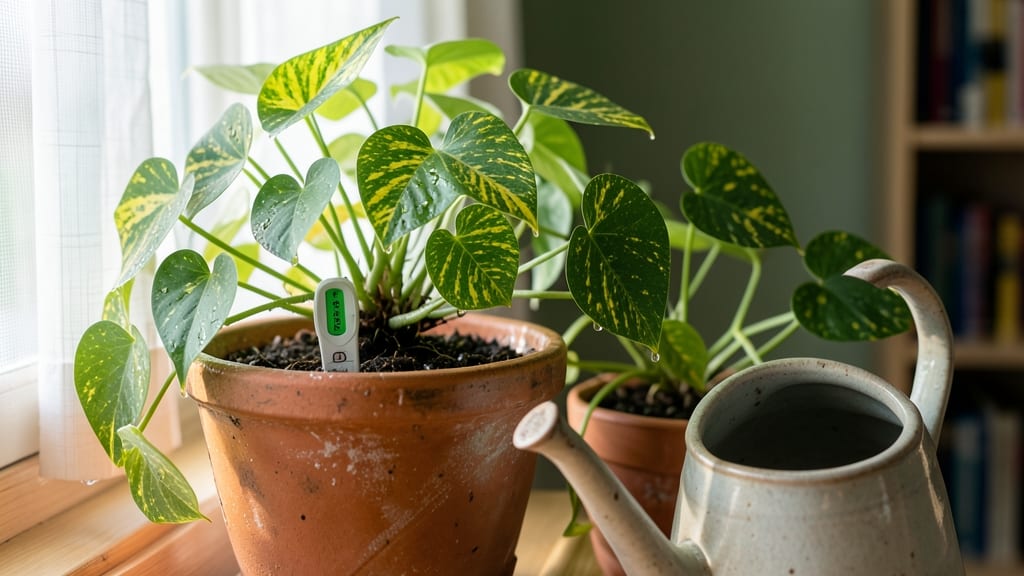
How often to water a money plant: the perfect schedule by season
Mastering your money plant watering schedule is all about understanding its natural rhythm. These tropical vines store water in their thick stems, so they’re surprisingly drought-tolerant—but that doesn’t mean they’re desert plants! The key lies in seasonal adjustments and soil moisture checks rather than rigid timelines.
Let’s break down the science behind it: money plants thrive when their roots get just enough water to stay hydrated without sitting in soggy soil.
Start by testing your soil’s moisture level with your finger. Stick it about 1-2 inches deep—if it feels dry, it’s time to water. If it’s still damp, wait another 2-3 days. This simple trick prevents both root rot and leaf crispiness, two common money plant killers.
Remember, pot size matters too: a 6-inch pot dries out faster than a 12-inch one, so adjust your schedule accordingly.
Here’s the golden rule: water in the morning between 8-10 AM. This gives leaves time to dry overnight, reducing fungal risks. Avoid evening watering—wet foliage at night is a recipe for powdery mildew.
Pro tip: Use room-temperature water (never cold) and always water until it drains freely from the pot’s holes. Never let your money plant sit in a saucer of standing water!
| Season | Watering Frequency | Soil Moisture Test | Humidity Adjustments |
|---|---|---|---|
| Spring | Every 7-10 days | 1-2 inches dry | Increase misting if air is dry |
| Summer | Every 5-7 days | Top 1 inch dry | Group plants together for humidity |
| Fall | Every 10-14 days | 2-3 inches dry | Reduce misting as temps drop |
| Winter | Every 14-21 days | 3 inches dry | Avoid cold drafts near plant |
Outdoor money plants need more frequent watering than indoor ones, especially during summer heatwaves. If your plant lives outside in a container garden or hanging basket, check soil moisture daily during heatwaves. A quick trick: lift the pot—if it feels light, it’s time to water.
For indoor plants, position them near a humidifier or place the pot on a pebble tray with water to boost humidity without overwatering.
Watch for seasonal growth patterns: your money plant will drink more water when it’s actively growing (spring/summer) and less during dormancy (fall/winter). In winter, reduce watering by 50%—overwatering is the #1 cause of money plant death during cold months.
If your home has low humidity (like from forced-air heating), increase watering slightly but never let the soil stay soggy.
Here’s how to fix common watering mistakes: if your money plant’s leaves turn yellow and mushy, you’re overwatering. Let the soil dry out completely for a week before resuming your schedule. If leaves are dry and crispy, soak the pot for 10 minutes, then drain thoroughly.
The goal is consistency, not perfection—your money plant will forgive occasional slips if you adjust quickly.
For beginners, set a weekly reminder on your phone to check soil moisture. Over time, you’ll develop an instinct for when your plant needs water. And remember: well-draining soil is non-negotiable. If your money plant’s pot lacks drainage holes, transfer it immediately—root rot spreads faster than you think.
A happy money plant is a thriving money plant, and proper watering is the foundation!
💰
Overwater vs underwater warning signs: 7 visual clues to save your money plant
Money plants are forgiving, but their leaves speak volumes about their water needs. Yellowing leaves? That’s often a cry for help—either too much or too little water. The key is learning to read these subtle signs before they turn into irreversible damage.
I’ve seen crispy brown edges from underwatering and mushy stems from overwatering, and both can be fixed if caught early.
Start by checking the soil—stick your finger 1-2 inches deep. If it’s bone dry, your plant’s thirsty. If it’s soggy, you’ve overdone it. The root system is the first to suffer, so don’t ignore these early warnings.
A quick soil test every 7-10 days can save your plant from a slow decline.
🌱 Overwatering vs Underwatering: Quick Comparison
Overwatering
- Yellow leaves with mushy texture
- Brown, crispy edges (from root rot)
- Foul odor from soil
- Wilting despite wet soil
- Stunted growth or no new leaves
Underwatering
- Dry, crispy leaf edges
- Drooping leaves that don’t bounce back
- Pale or dusty leaves
- Slow growth or leaf loss
- Soil pulls away from pot edges
One of my biggest mistakes was ignoring drooping leaves until they turned brown. By then, the roots were already damaged. Money plants are resilient, but they need consistent moisture, not neglect.
If you see yellowing leaves with green veins, it’s a classic underwatering sign. Fix it by watering deeply until it drains from the bottom.
For overwatered plants, the fix is simpler: let the soil dry out completely before watering again. Move the plant to a bright, indirect spot and avoid watering for 5-7 days.
If the roots smell rotten, trim them with sterilized scissors and repot in fresh, well-draining soil. I’ve revived plants that looked dead with this method—don’t give up too soon!
Pay attention to the growth rate too. A healthy money plant grows 6-12 inches per year. If it’s barely putting out new leaves, it’s either underwatered or overcrowded.
Prune any yellow or brown leaves immediately—they drain energy from the healthy parts. And always use a pot with drainage holes to prevent root rot.
Remember, money plants are tropical vines that love humidity. If your home is dry, mist the leaves occasionally or place a tray of pebbles and water near the plant.
This mimics their natural environment and reduces the risk of underwatering. With these clues, you’ll keep your money plant thriving for years—no guesswork needed!