
How To
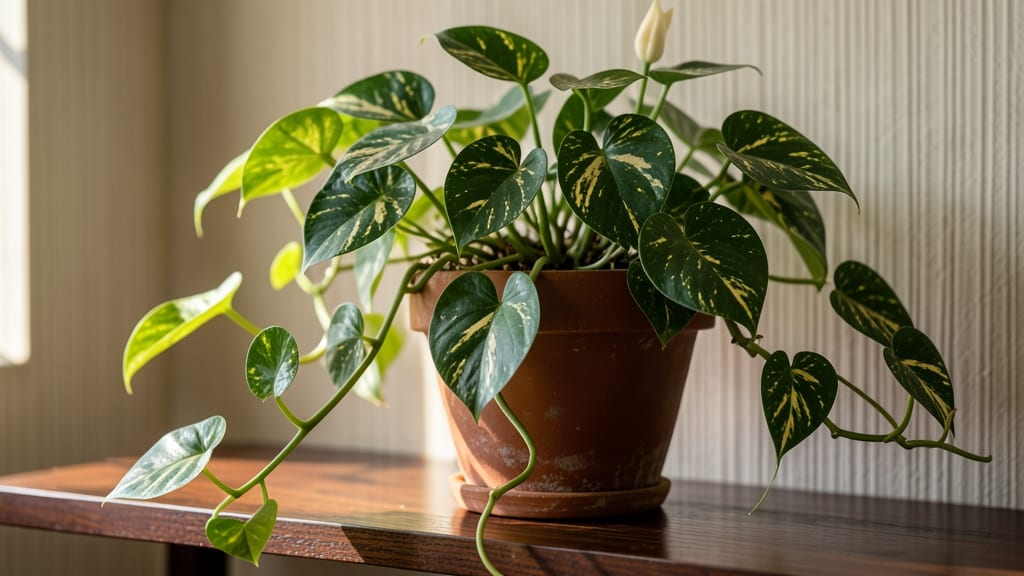
How much light does Chinese Money Plant 🌿 need to stay vibrant and healthy? The answer might surprise you—it’s not as much as you’d think, but getting it wrong can turn those stunning coin-shaped leaves into sad, crispy relics. Too little light and your plant stretches out like it’s reaching for the sun; too much, and you’ll end up with sunburned patches that ruin its glossy appeal.
This popular houseplant thrives in bright indirect light, making it perfect for spots near east or north-facing windows where sunlight filters gently. The key is avoiding harsh afternoon rays, which can scorch those delicate leaves faster than you can say "plant emergency."
I’ve seen firsthand how a simple adjustment—like moving your Chinese Money Plant 🌿 just a few feet back from the window—can transform leggy, weak growth into lush, compact foliage.
But what if your home lacks natural light? Don’t worry—this adaptable plant can handle lower light conditions, though it may grow slower. The trick is balancing its needs with your space, whether that means rotating the pot for even exposure or supplementing with a simple grow light.
I’ll show you exactly how to spot the signs of light stress (like yellowing or browning leaves) and fix them before they become permanent problems.
Ready to give your Chinese Money Plant 🌿 the perfect lighting setup? Let’s dive into the simple steps to keep it thriving year-round, no matter where you place it in your home. Your plant’s future depends on getting this right—and trust me, the results are worth it.


Chinese money plant light requirements: the perfect balance for healthy growth
The Chinese Money Plant (Pilea peperomioides) thrives in bright indirect light, making it perfect for indoor spaces. This means placing it near a window where sunlight filters through sheer curtains—think of it like a gentle morning glow rather than harsh midday rays.
Too little light causes leggy growth, while too much leads to crispy, brown edges on those iconic coin-shaped leaves.
In nature, this plant grows under the canopy of trees, where dappled sunlight creates a balanced environment. Replicating this indoors ensures your plant stays lush and vibrant. The key is consistency—avoid sudden changes in light exposure, which can stress the plant and stunt its growth.
Here’s how to gauge the perfect light: Your plant should receive 4-6 hours of indirect sunlight daily. If you notice new leaves growing smaller than the mature ones, it’s a sign of insufficient light.
On the other hand, if the leaves develop yellow or brown patches, it’s getting too much direct sun.
Seasonal changes also affect your plant’s light needs. During winter months, when natural light is weaker, supplement with a grow light for 4-6 hours daily. In summer, when sunlight is intense, move your plant slightly farther from the window to prevent overheating.
A simple trick is to rotate the pot every few weeks to ensure even growth.
If you’re unsure whether your space is too bright or too dim, observe your plant’s leaves. Healthy leaves should be deep green and plump, while stressed leaves will appear pale, yellow, or crispy.
The edges of the leaves are particularly sensitive to light fluctuations, so keep a close eye on them.
For indoor growers, east-facing windows are ideal because they provide gentle morning light without the harsh afternoon sun. West-facing windows can work too, but use a sheer curtain to diffuse the light.
If you’re in a low-light apartment, don’t despair—this plant can adapt to moderate indirect light, though its growth may slow down.
Outdoor cultivation is possible in shaded garden areas, like under a tree or on a covered patio. Just avoid placing it in full sun, where it risk leaf scorch. If you’re transitioning your plant from indoors to outdoors, do it gradually over a week to avoid shock.
Pro tip: If your plant starts looking leggy or sparse, it’s begging for more light. Trim the leggy stems back by about a third to encourage bushier growth. This not only improves its appearance but also helps it focus energy on producing new, healthier leaves.
Remember, the Chinese Money Plant is a resilient beauty, and with the right light, it’ll reward you with those stunning, coin-shaped leaves for years to come. Pay attention to its signals, and you’ll create the perfect environment for it to thrive. 🌿
How to adjust your space for ideal chinese money plant light conditions
Positioning your Chinese Money Plant correctly is the key to avoiding light stress. Start by identifying the brightest indirect light source in your home—typically an east-facing window offers gentle morning sun, while north-facing windows provide consistent, even light without harsh rays.
If your space lacks natural light, grow lights become essential. A LED grow light with a 6500K color temperature mimics natural daylight and should hang 12-18 inches above the plant for 12-14 hours daily. Rotate the plant weekly to prevent uneven growth.
| Window Type | Light Intensity | Ideal Placement | Best For |
| East-Facing | Bright Indirect | 2-3 feet from window | Year-round growth |
| North-Facing | Low to Medium | 1-2 feet from window | Low-light tolerance |
| South-Facing | High (use sheer curtain) | 4+ feet from window | Afternoon shade |
| West-Facing | Bright but harsh | 5+ feet from window | Filtered light only |
Avoid placing your plant near heat sources like radiators or direct sunlight from south- or west-facing windows. If you notice brown leaf tips or yellowing foliage, move it further away immediately—these are classic signs of sunburn.
For rotating plants, set a reminder every 2-4 weeks to turn the pot quarter-turns. This ensures even light exposure and prevents the plant from leaning toward the light source, which creates lanky, weak stems.
If your home has low natural light, supplement with a full-spectrum bulb (10,000K) placed 6-12 inches above the plant. Run it for 8-10 hours daily to mimic daylight cycles and encourage healthy foliage development.
Remember, sheer curtains are your best friend for south- or west-facing windows. They diffuse harsh sunlight while still allowing bright indirect light to reach your plant—perfect for maintaining those glossy, coin-shaped leaves.