
Plants
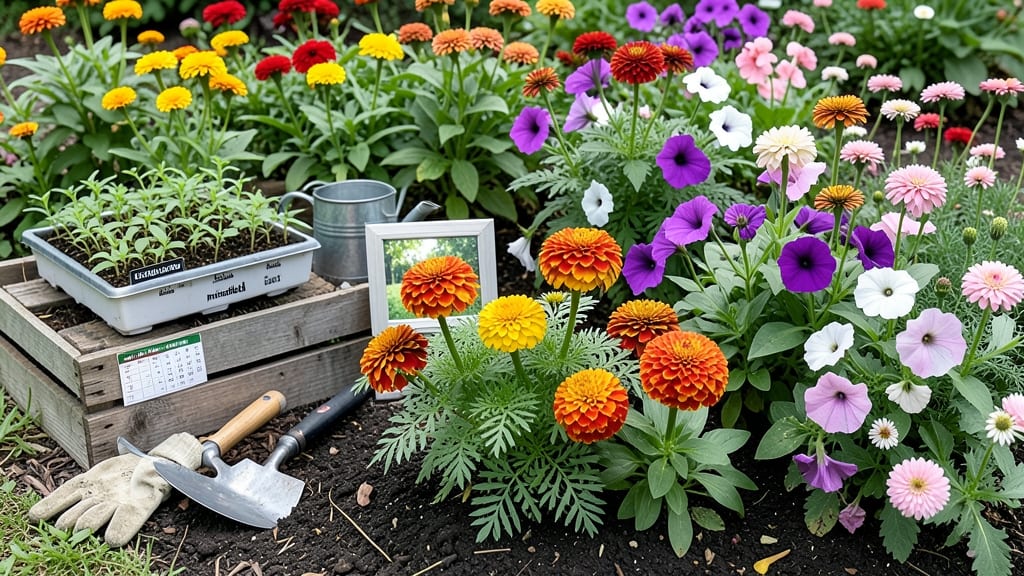
Timing your annuals planting in NJ can mean the difference between a garden bursting with color and one that never gets off the ground. New Jersey's 6a to 7b climate brings unpredictable frost dates that catch even experienced gardeners off guard.
If you've ever watched your 🌸 annuals wilt overnight after a late frost, you know how frustrating it can be. The key isn't just waiting until spring—it's understanding the 15-year average frost dates that actually matter for your specific microclimate.
In this guide, I'll walk you through exactly when to plant your spring and fall annuals in New Jersey, plus proven strategies to protect them from those sneaky late frosts. You'll learn which varieties thrive in each planting window and how to extend your growing season for continuous blooms.
Whether you're a first-time gardener or looking to refine your timing, these insights will help you create a showstopping garden that lasts from May through October—without the guesswork.
New Jersey’s 2024 frost dates: the critical timeline for annual planting
New Jersey’s USDA Zones 6a-7a bring warm summers and chilly winters, but the real gardening drama happens in spring. The last average frost date hovers around April 15, though it can swing wildly—sometimes as late as May 10—depending on your exact location.
In northern NJ (Zone 6a), frost lingers longer, while southern NJ (Zone 7a) enjoys earlier warm-ups. This variability means cool-season annuals like pansies can go in as early as March 15, while warm-season favorites like tomatoes must wait until May 31 at the latest.
Understanding these dates isn’t just about avoiding frost damage—it’s about maximizing your garden’s potential. Plant too early, and your marigolds or basil might get nipped by a surprise freeze. Plant too late, and you’ll miss out on summer-long blooms or harvestable veggies.
The key is balancing soil temperature (aim for 60°F+ for warm-season plants) with air temperature trends. Use local weather alerts and NJ State Climate Office data to fine-tune your timing.
Here’s the non-negotiable rule: Never plant warm-season annuals until you’ve confirmed 10 consecutive frost-free days. For cool-season annuals, you can start 4-6 weeks before the last frost date. But remember, microclimates matter—a sunny urban patio warms up faster than a shady backyard, so adjust accordingly.
🌡️ NJ Frost Dates & Planting Windows 2024
| Season | Frost Date | Planting Window | Soil Temp | Example Annuals |
|---|---|---|---|---|
| Early Spring | March 15 | March 1 - April 15 | 40-50°F | Pansies, Snapdragons, Lettuce |
| Late Spring | April 15 - May 10 | April 15 - May 31 | 50-60°F | Calendula, Nasturtiums, Spinach |
| Summer | N/A | May 31 - August 1 | 60-70°F+ | Marigolds, Basil, Sunflowers |
| Fall | October 30 | August 1 - September 15 | 50-60°F | Cosmos, Zinnias, Kale |
📅 Pro Tip: Use row covers to extend early spring plantings by 2-3 weeks.
For northern NJ gardeners (think Bergen County or Sussex County), err on the side of caution—wait until May 1 for warm-season plants. Meanwhile, southern NJ (like Cape May or Atlantic City) can start 2 weeks earlier.
Check the NJ Agricultural Experiment Station for hyper-local data. Even a 5-mile difference can mean a week’s difference in frost risk.
Don’t forget fall planting! While most gardeners focus on spring, late summer is prime time for cool-season annuals like cosmos or kale. Aim to sow seeds 6-8 weeks before the first frost (typically October 30).
This gives them time to establish roots before winter slows growth. Begonias and marigolds are excellent choices—they’ll bloom until hard frosts hit.
One of my biggest mistakes? Planting tomatoes too early in central NJ because I misread the frost dates. They thrived for a week before a late-April freeze wiped them out. Now, I use frost-sensitive indicators like hyacinths—when they bloom, I know it’s safe for warm-season plants.
Pair this with a garden journal to track your local patterns over time.
If you’re in urban NJ (like Jersey City or Newark), heat islands can
Best annuals to plant by month in New Jersey: a month-by-month guide
New Jersey’s 6-8 week frost-free growing season demands strategic planting. Cool-season annuals like pansies and lettuce thrive in early spring, while heat-lovers such as marigolds and tomatoes need summer’s warmth. Here’s my month-by-month breakdown for 2024 NJ gardens, tailored to your local climate zones.
Start with cool-season crops in March-April, then transition to warm-season plants after your average last frost date (April 15). For fall blooms, begin sowing heat-tolerant annuals like zinnias in August. Each month offers unique opportunities—don’t miss them!
🌱 Numbered Highlights: NJ Annual Planting Guide
- March: Pansies, snap peas, lettuce (tolerate light frost). Plant in well-draining soil with mulch to retain warmth.
- April: Spinach, radishes, calendula. Wait until soil hits 50°F+ to avoid cold damage.
- May: Tomatoes, petunias, basil. Harden off seedlings and use row covers if nights dip below 50°F.
- June: Zinnias, sunflowers, okra. Focus on watering deeply (1-2 inches per week) to prevent bolting.
- July: Marigolds, cosmos, sweet potatoes. Succession plant bush beans every 2 weeks for continuous harvests.
- August: Cosmos, nasturtiums, kale (for fall harvests). Start seeds indoors for September transplants.
- September: Pansies, stock, cabbage. Choose late-blooming varieties to survive early frosts.
For urban gardeners, prioritize compact varieties like bush beans or dwarf marigolds—they thrive in containers and don’t need deep soil. In rural areas, take advantage of longer seasons by planting heirloom tomatoes or giant sunflowers for dramatic impact.
Pro tip: Use NJ-specific seed packets labeled “short-day varieties” for flowers like zinnias—they’ll bloom prolifically in our humid summers. Avoid tropical annuals (e.g., hibiscus) unless you’re in Zone 7b with microclimate protection.
Remember, soil temperature matters more than air temperature. Use a soil thermometer to confirm 60°F+ before planting warm-season crops. In cooler microclimates (e.g., northern NJ), wait until May 1 to avoid frost surprises.
Plan ahead for fall color: Start mums and aster seeds indoors in July for October-November blooms. With this timeline, your NJ garden will stay vibrant from spring to frost!